
Retainers after orthodontic treatment: keeping your teeth in position
Originally published
Removing your braces or finishing your aligners is the end of active tooth movement, but keeping the result takes ongoing care. Retainers help hold teeth in their new positions. Without them, teeth can move again, sometimes soon after treatment ends.
Teeth can also change position as you get older, even after the tissues around them have adapted. Retention is therefore usually a long-term commitment, often for life, if you want to maintain the alignment achieved by treatment.
Which type of retainer will I need?
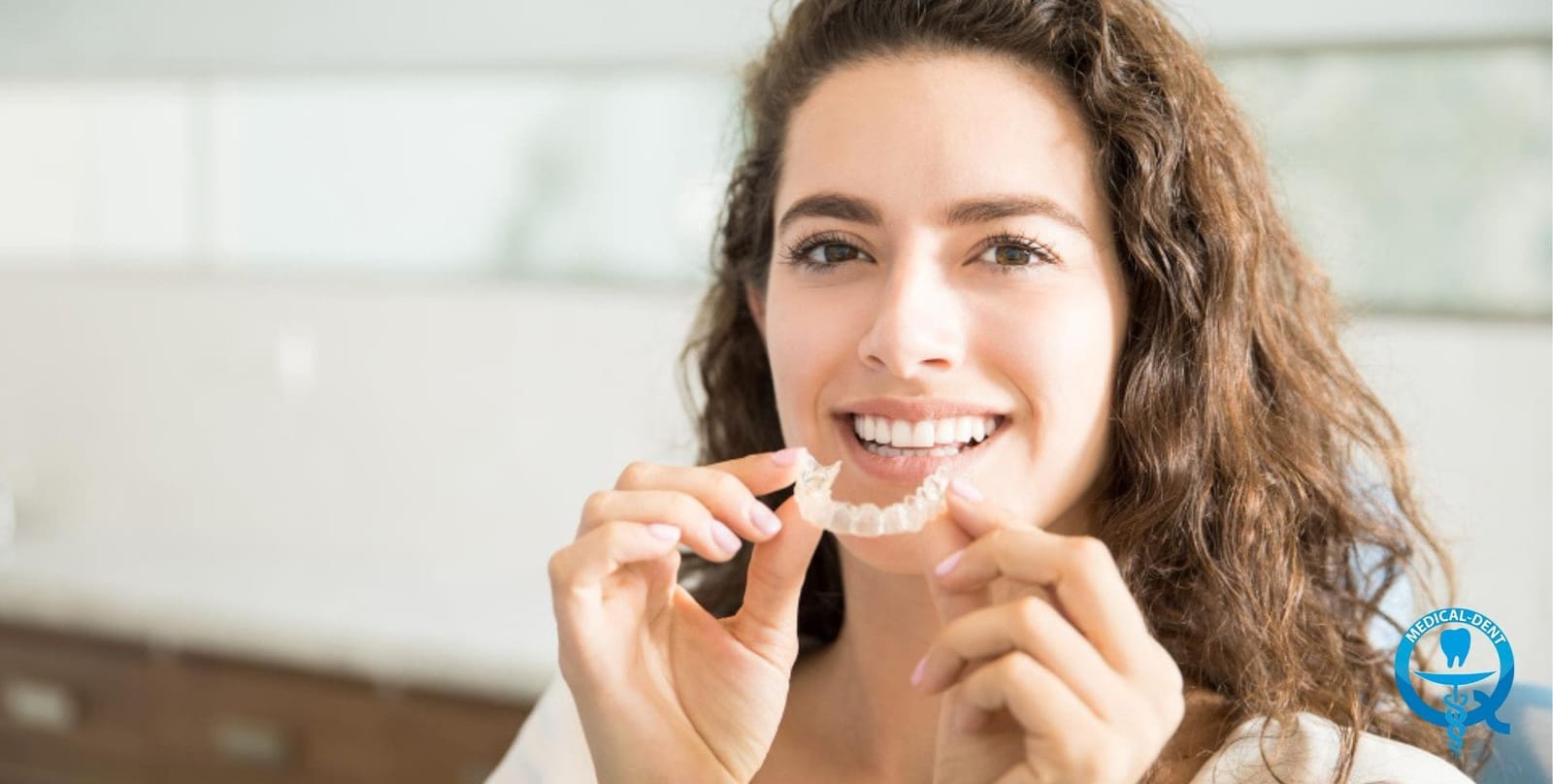
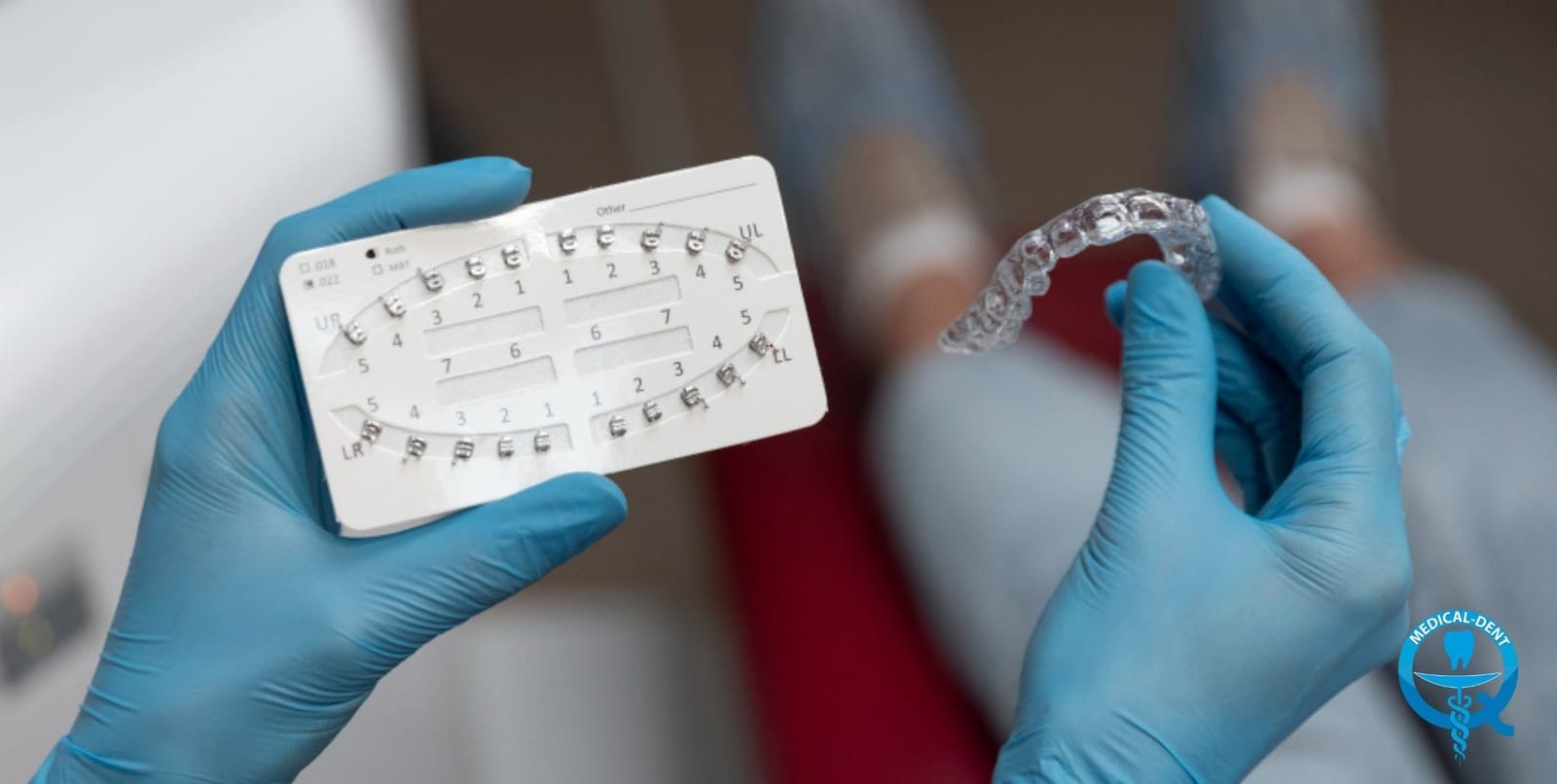
Your treating clinician may recommend a removable retainer, a fixed retainer or a combination of both. A clear removable retainer fits over the teeth; another design uses a plastic plate and wire. A fixed retainer is a thin wire bonded behind selected teeth.
The choice depends on the original tooth positions, the treatment carried out and your individual needs. A fixed wire only supports the teeth to which it is attached, so you may still need a removable retainer as well.
How often should I wear it?
Follow the wearing schedule given by your orthodontic team. Some people initially wear a removable retainer more often before moving to night-time wear; others start with a different schedule. Do not reduce the frequency yourself simply because your teeth still look straight.
Long-term wear reduces the risk of unwanted movement, but no retainer can guarantee that teeth will never change position. Ask who will check your retainers after active treatment and how to arrange repairs or replacements.
If a removable retainer becomes tight, painful or stops fitting fully, contact the team. Do not force it into place or try to use it to straighten teeth without advice. A review can establish whether it needs adjustment, replacement or a different treatment plan.
Cleaning and everyday care
Brush twice daily with fluoride toothpaste and clean between your teeth. With a bonded retainer, ask the dental team to show you how to clean around the wire and underneath it using suitable interdental brushes or floss. The wire is not a substitute for cleaning or routine dental care.
Clean a removable retainer using the method recommended for its material. A soft brush and cool water are commonly used; check before using toothpaste or cleaning products. Hot water can distort plastic. Remove it for meals as instructed and keep it in its protective case when it is out of your mouth, rather than wrapping it in a tissue where it may be thrown away.
A retainer should fit comfortably once you have adjusted to it. Persistent rubbing, ulcers or changes in your bite need checking; you do not have to put up with them indefinitely.
Reviews and problems
Attend reviews at the interval your team recommends and bring removable retainers with you. Continue seeing your usual dentist for checks of your teeth and gums. The frequency of retainer reviews is individual rather than a universal six- or twelve-month rule.
If a retainer is lost or damaged, or a bonded wire comes loose, contact the treating practice promptly. Do not wait until the next routine appointment, as teeth can move while retention is interrupted. Avoid bending or gluing a wire yourself.

Retainers may eventually need replacing because of wear or changes in fit. Ask which follow-up appointments and replacement costs are included in your plan. Contact us if you need advice about retention after your orthodontic treatment.