
Restoring a tooth after root canal treatment
Originally published
Root canal treatment deals with the pulp and canals inside a tooth. Restoring the upper part of the tooth is another important part of care: it seals the tooth and helps it withstand normal use. The final restoration should be planned with your dentist rather than left until a temporary filling breaks.
Teeth needing root canal treatment may already have lost substantial tissue through decay, cracks or previous fillings. Preparing access to the canals also removes some tissue. It is misleading to say that removing the pulp or filling the canals automatically makes every tooth too weak to function.
Choosing a restoration
Your dentist assesses how much sound tooth remains, the position of the tooth, your bite and the condition of the root and supporting tissues. An X-ray may be needed. Your preferences, the likely durability of each option and its cost should be part of the discussion.
For some teeth, a direct composite filling may be sufficient. Back teeth that have lost substantial structure often need protection over their biting cusps, such as an onlay or crown. Not every root-treated tooth needs the same restoration.
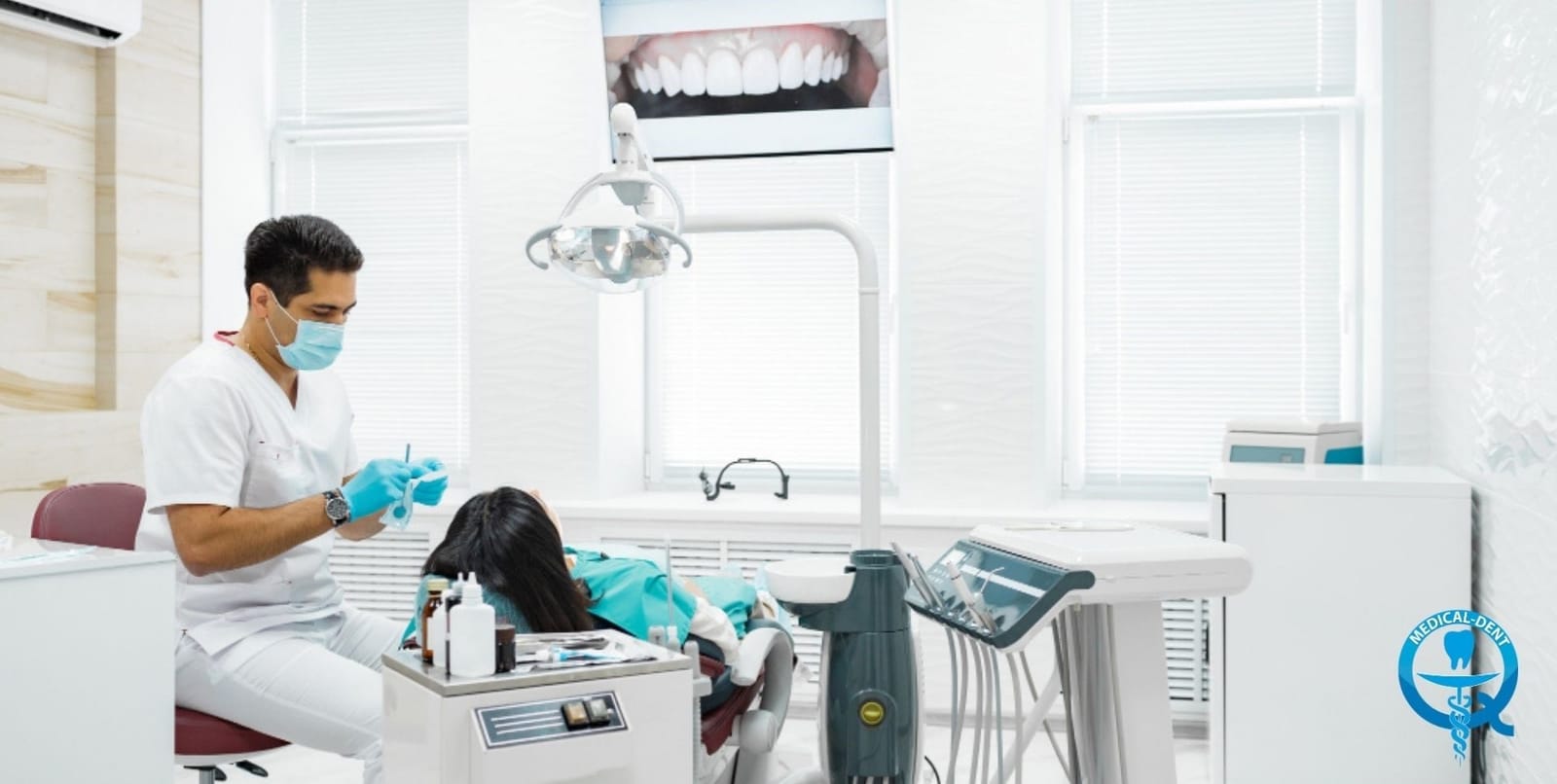
An inlay fits within the tooth’s biting surface; an onlay covers one or more cusps. A crown covers the prepared tooth more extensively. These restorations differ in how much tooth they cover and how much preparation is needed. None should be described as always leaving all healthy tooth tissue untouched.
A crown can help protect a weakened tooth, but cannot guarantee that it will never fracture or develop decay. A change in colour also does not automatically mean that a crown is necessary. Ask about suitable options if appearance is a concern.
Is a post needed?
A core build-up replaces missing tooth structure to support a restoration. In selected cases, a post placed within a treated root canal helps retain that core when insufficient tooth remains above the gum.
A post is not required for every root-treated tooth and does not automatically strengthen the root. Its use depends on the remaining structure and the risks of further preparation. If the tooth cannot be predictably restored, the dentist should explain that limitation and discuss alternatives.
Timing and care afterwards
Ask when the permanent restoration should be completed and keep that appointment. Until the tooth is fully restored, avoid biting hard foods on it and follow your dentist’s instructions. Contact the practice if a temporary filling comes out, the bite feels wrong or pain persists or worsens. Swelling or suspected infection needs prompt dental advice.
Treatment time depends on the chosen restoration. A direct filling may be placed in one visit, while other restorations can involve several stages. Your dentist should explain the expected sequence and any temporary restoration you will need.

Costs of restoring a root-treated tooth
Our combined root canal treatment and retreatment fees include treatment, treatment X-rays and a core build-up. The build-up is already included in the listed total. Prices vary by tooth and by whether a microscope is used; crowns and onlays, if needed, are priced separately.
See the dental fees and crown and prosthodontic fees, and ask for a written estimate showing the stages recommended for your tooth. If further treatment becomes necessary, discuss the revised plan and costs before proceeding.
Finance may be available subject to status, affordability and terms. Medical-Dent acts as a credit broker, not a lender; see the current finance information.
Continue brushing with fluoride toothpaste, cleaning between your teeth and attending dental reviews. A root-treated tooth still needs daily care. Contact us if you need to arrange the final restoration or discuss your treatment plan.