
Changing the wire in fixed braces: appointments and fees
Originally published
The wire running through fixed braces helps guide teeth into position. As treatment progresses, your orthodontic clinician may adjust it or replace it with a wire suited to the next stage. Regular reviews allow the team to check movement, the appliance and the health of your teeth and gums.
A review does not necessarily mean a new wire every time. The timing depends on the appliance, the planned movements and how your teeth are responding.
Why might a wire be changed?
Different wires have different sizes, shapes and properties. A wire used early in treatment may differ from one used later to control tooth position more precisely. A damaged or displaced wire may also need attention.
Follow the appointment schedule given by your treating team. Do not assume that every wire has expired after four to six weeks or that a longer interval automatically means treatment is failing. If you cannot attend, contact the practice to rearrange rather than leaving the brace unchecked.
What happens at the appointment?
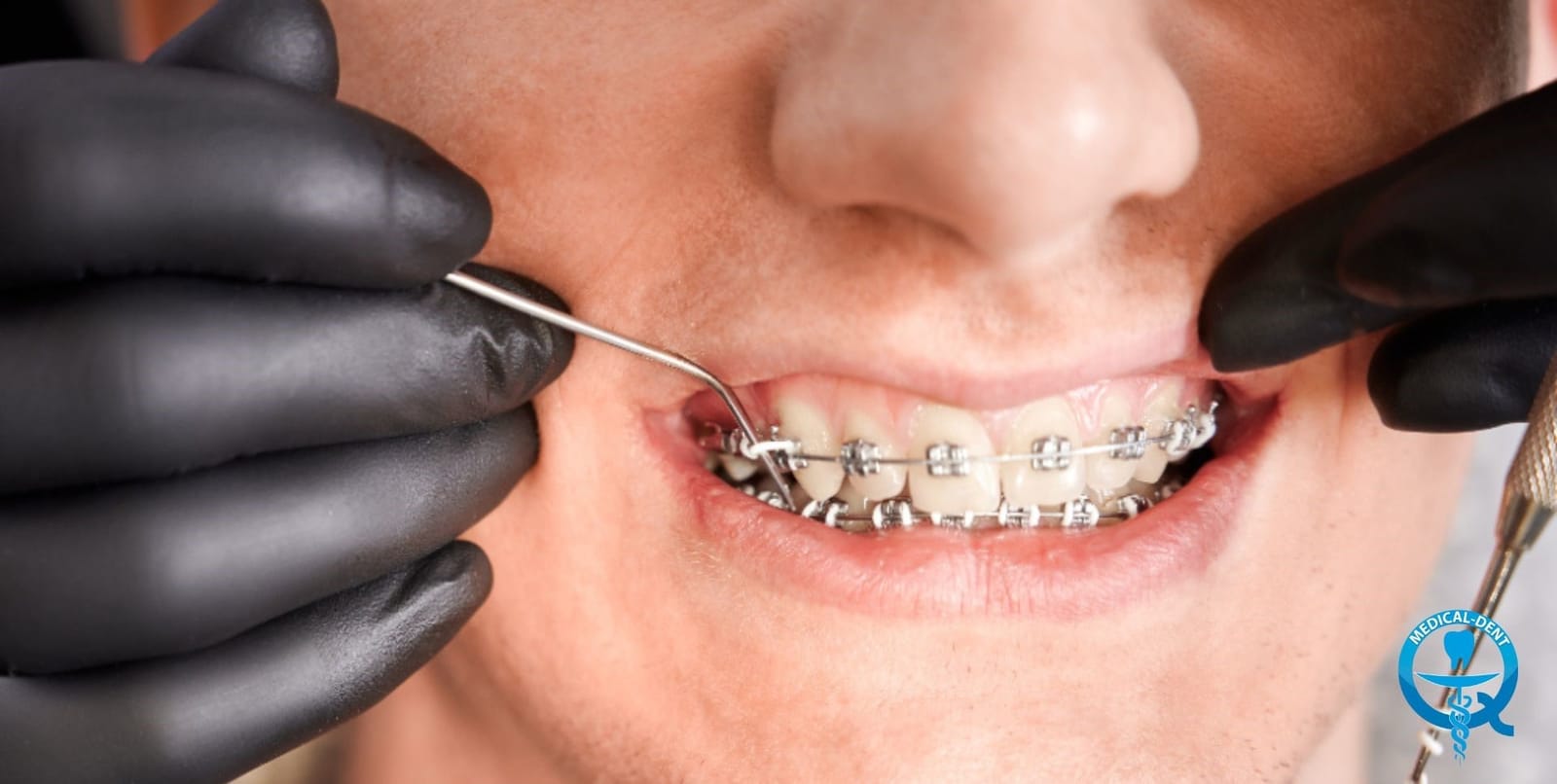
The clinician checks how treatment is progressing before deciding what to change. With conventional brackets, small elastic rings or ties may hold the wire in place; some brackets use built-in clips instead. The wire can be removed, adjusted or replaced, then secured and checked for comfort.
The length of the appointment varies with the work needed. A straightforward change can be relatively brief, but repairs or other adjustments may take longer. The clinician should explain the next stage and when to return.
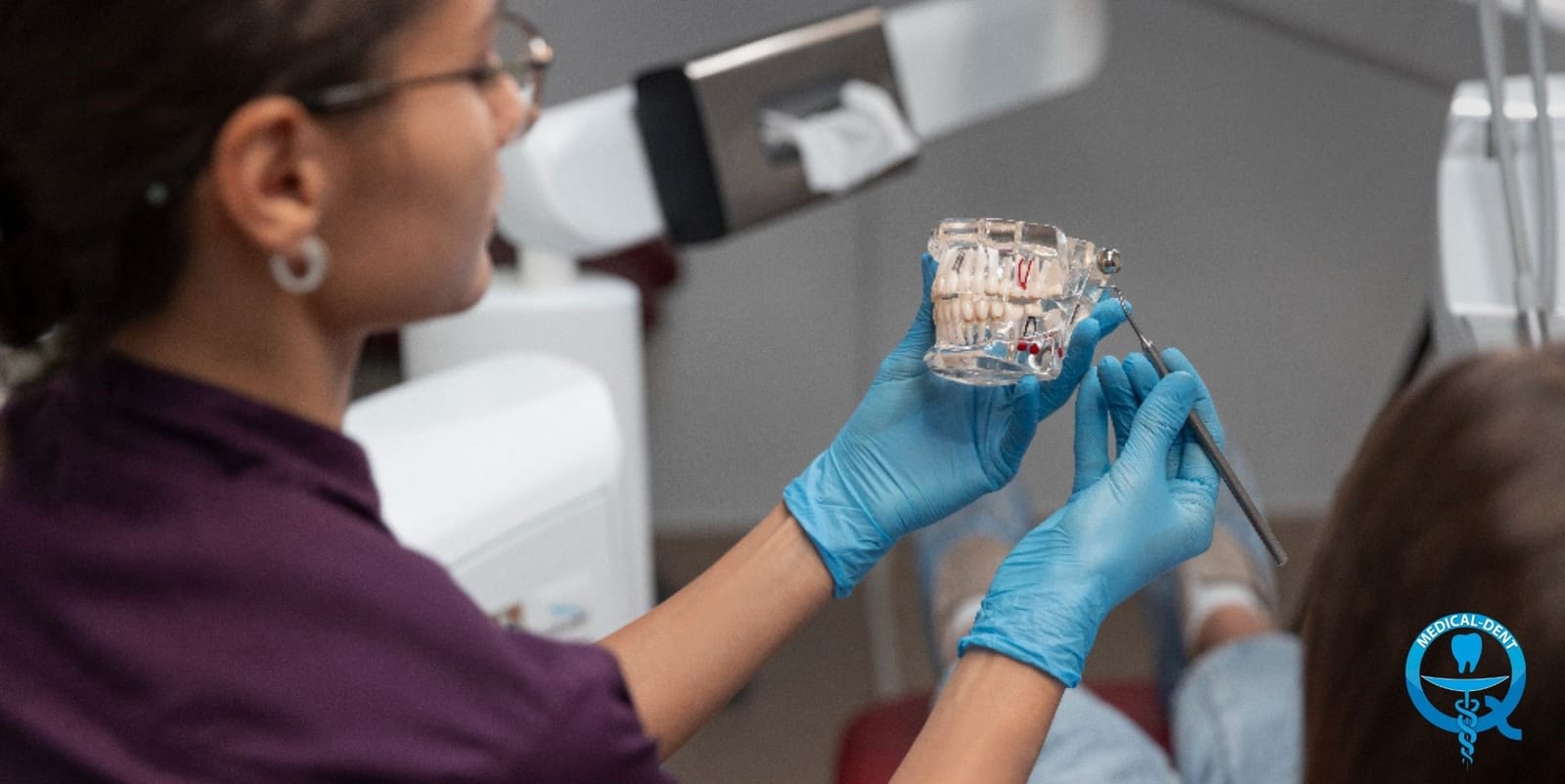
Some tenderness can occur after an adjustment. Softer foods may help for a few days. Ask the team or a pharmacist about suitable pain relief if needed, following the instructions for the medicine and your circumstances. Severe or persistent pain needs advice rather than simply being accepted as part of treatment.
If a wire rubs or breaks
Contact your treating practice if a wire is loose, broken or digging into your cheek. Orthodontic wax over a rubbing area may help temporarily. Do not try to replace the wire or dismantle the brace yourself; the team can advise how soon you need to be seen.
A broken brace does not always require a hospital visit, but an injury, significant swelling or uncontrolled bleeding needs urgent assessment. Difficulty breathing or swallowing requires emergency help.
Care between appointments
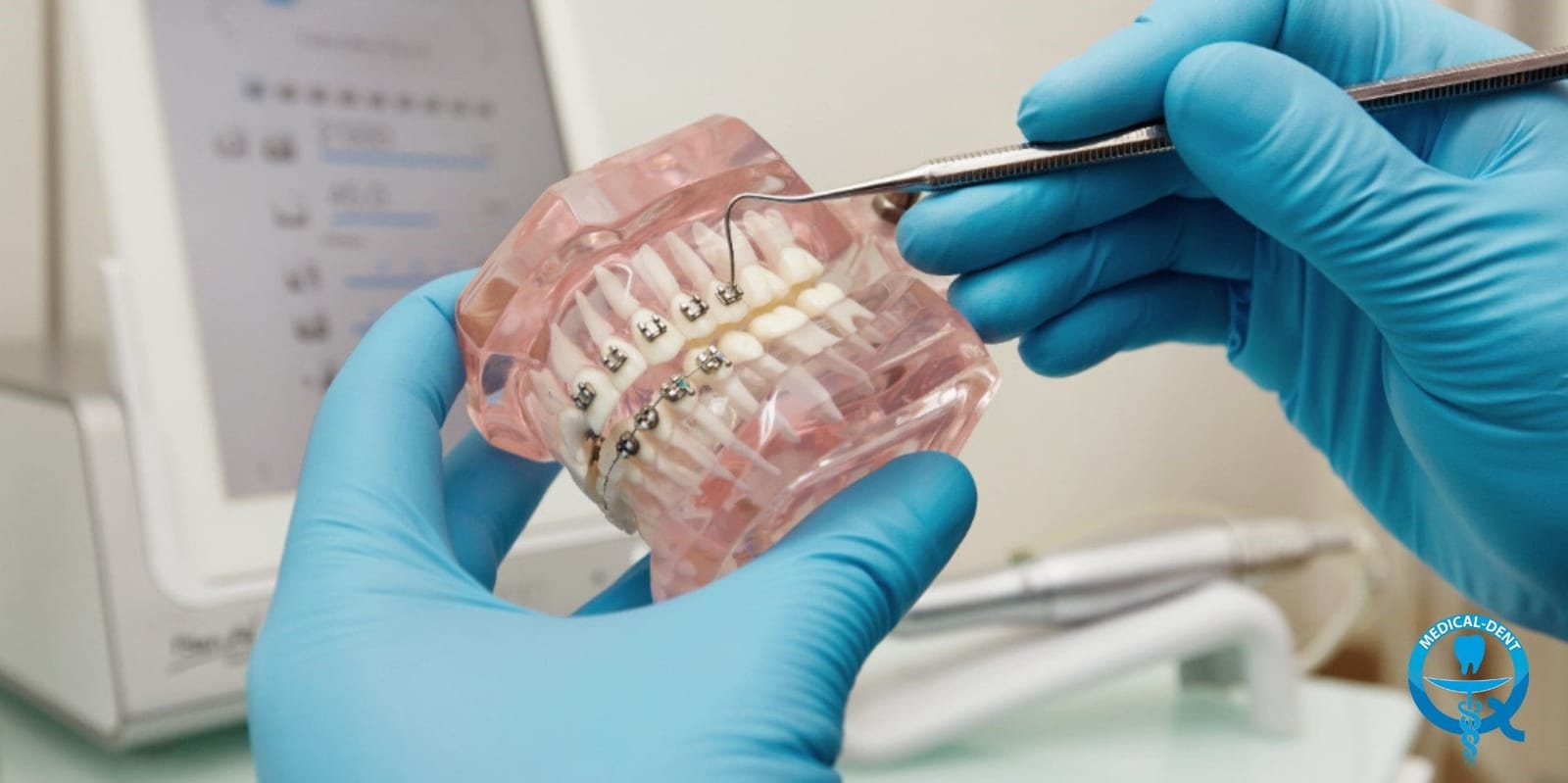
Clean around the brackets, under the wire and between your teeth using the methods shown by the team. Brush twice daily with fluoride toothpaste and keep attending your usual dentist as well as orthodontic reviews. Reduce frequent sugary snacks and drinks, and avoid foods that are likely to damage the brace.
Plaque build-up can cause gum inflammation and decay during treatment. Missing a wire change is not, by itself, a direct cause of gingivitis or a new bite problem, although missed reviews and unresolved damage can disrupt the treatment plan.

Wire change fees and treatment started elsewhere
Our listed archwire change fee is £60 per arch. See the orthodontic fees and ask whether the proposed visit involves other separately charged work.
We do not take over treatment with fixed braces fitted at another practice. If you choose to have new braces fitted at Medical-Dent, you pay for the new brace and we do not charge for removing the previous one. This does not mean that removal on its own is free. An assessment and an agreed treatment plan are needed before starting again.
Finance may be available subject to status, affordability and terms. Medical-Dent acts as a credit broker, not a lender; check the current finance information.
Contact us to discuss an appointment or a concern about your brace.