
Replacing a filling: when is it needed and what does it cost?
Originally published
Fillings can wear, chip or develop problems around their edges. Sometimes part of a filling can be repaired; in other cases, replacement or a different restoration is needed. An old filling does not automatically need changing if it is still functioning well and the surrounding tooth is healthy.
If you notice a sharp edge, a missing piece or new sensitivity, book an examination. The dentist can check the filling, the tooth and your bite, using X-rays when appropriate.
Signs that need assessment
Pain when biting, lingering sensitivity to hot or cold, or a filling that feels loose can have several causes. Decay, a crack, an uneven bite or inflammation inside the tooth may be involved. You cannot reliably identify the cause by looking at the filling yourself.
A change in colour may be surface staining or an appearance concern, but it can also need investigation. It is not proof that replacement is necessary, nor a reason to assume that everything beneath the filling is healthy.
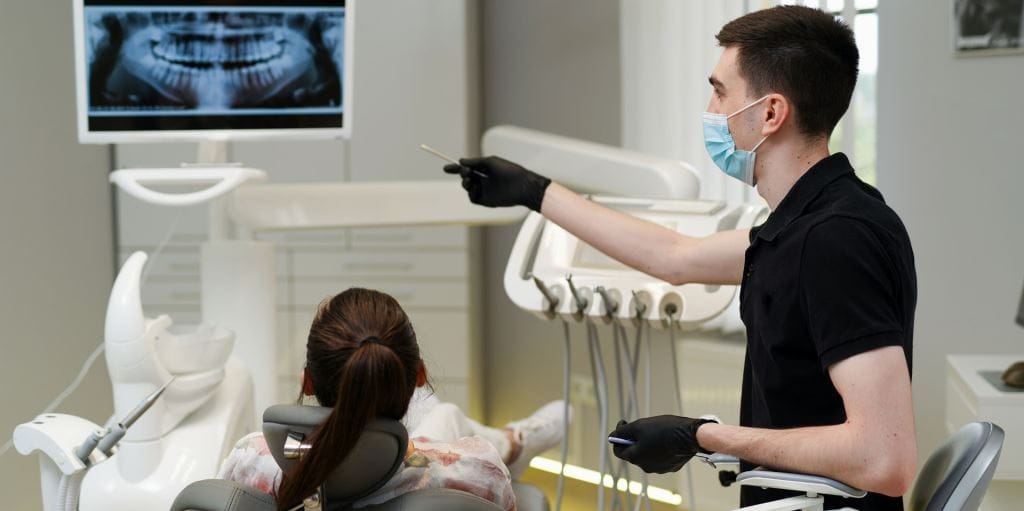
Persistent toothache should be assessed. Seek urgent dental advice for severe pain, swelling or a suspected infection; NHS 111 can help if you cannot reach a dentist. Difficulty breathing or swallowing, or swelling affecting the eye, requires emergency help.
What happens during treatment?
Your dentist should explain whether monitoring, polishing, repairing or replacing the filling is appropriate. Repairing a suitable local defect can preserve more tooth tissue than removing the whole restoration.
When replacement is needed, the dentist removes the old material and any decay that needs treatment, then restores the tooth and checks your bite. Local anaesthetic may be used to keep you comfortable. Tell the dentist if you feel pain. Many straightforward fillings can be completed in one appointment, but this is not guaranteed: deeper decay or extensive damage may require additional treatment.
A crown or onlay may be considered if a filling would not provide enough support. Root canal treatment is needed only when the condition of the pulp makes it appropriate, not simply because a filling is old.

Should silver fillings always be replaced?
No. Dental amalgam contains mercury as part of the material; it is incorrect to suggest that only a particular older generation contains it. A sound amalgam filling does not routinely need removing solely because it contains mercury. Removal can sacrifice healthy tooth tissue and temporarily increase mercury exposure.
If you have symptoms, a suspected allergy or concerns about a filling, discuss them with your dentist. Changing a visible filling for cosmetic reasons is a separate decision, with benefits and risks to weigh up. Tooth-coloured materials can blend with natural teeth, but a perfect or permanently invisible match cannot be promised.
Costs and temporary fillings
The fee depends on the size and position of the restoration and any additional treatment. See our current dental fees and ask for an estimate after examination.
A temporary filling is listed at £100, with no guarantee in the fee list. It is an interim measure, not a substitute for completing the planned treatment. Ask when it should be reviewed or replaced.

Brush twice daily with fluoride toothpaste, clean between your teeth and attend reviews at an interval appropriate for you. A filling restores part of a tooth, but does not prevent new decay. Contact us if you think a filling needs attention.