Pus in the gum: causes, treatment and when to get help
Originally published
Pus, a swollen gum or a small spot that drains into the mouth may indicate a dental infection. Contact a dentist for an urgent appointment, even if the pain has eased. If you cannot get urgent dental care, contact NHS 111.
An abscess needs treatment of its source. Draining on its own does not show that the infection has cleared, and it is not something to squeeze or puncture at home.
When to get emergency help
Call 999 or go to A&E if you have difficulty breathing, speaking or swallowing; a swollen or painful eye or changes in vision; a lot of swelling inside the mouth; or marked difficulty opening your mouth. These can be signs of a more serious problem. The NHS dental abscess guidance explains the warning signs.

Where does the infection come from?
An abscess is a collection of pus caused by infection. It can develop around the root of a tooth, within the supporting gum tissues or around a partly erupted tooth. Decay, damage to a tooth and gum disease are possible contributing factors. It is not helpful to assume that every person with an abscess has ignored their teeth.
A previously root-treated tooth can develop persistent or new infection. That needs assessment; it is not an expected consequence of root canal treatment and does not by itself establish that the dentist failed to remove the pulp properly.
Pain, swelling and the position of a draining spot do not reliably tell you the full extent of the problem. The dentist will examine the area and may take an X-ray to identify the source and consider whether the tooth can be retained.
There is no fixed three-stage treatment sequence
Descriptions such as periapical, subperiosteal and submucosal refer to the location of an infection. They should not be used as a simple timetable in which everyone progresses from root canal treatment to root-end surgery and then extraction.
The treatment decision depends on the tooth, the infection and the surrounding tissues. A draining swelling does not automatically mean the tooth must be removed, and an infection near a root does not automatically require root-end surgery.
How is an abscess treated?
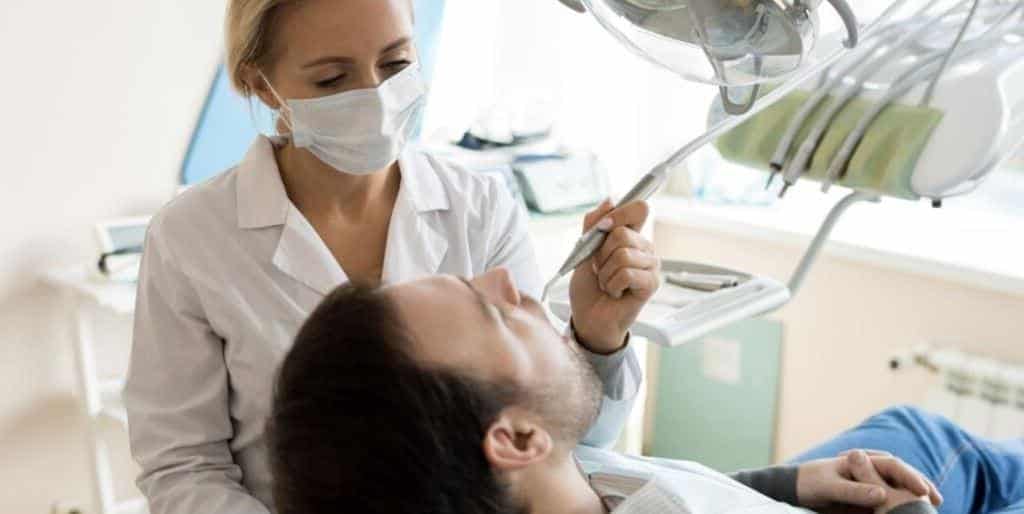
The dentist aims to drain the infection and address its cause. Options may include root canal treatment, retreatment of a previously treated tooth, care for a gum infection or extraction when the tooth cannot be maintained. Surgery is considered only when appropriate to the diagnosis.
Antibiotics are not a substitute for dental treatment and are not needed for every localised abscess. They may be prescribed when infection is spreading, you are unwell or drainage cannot be achieved promptly. SDCEP guidance explains why local treatment and drainage matter. Use any medicine as directed and contact the treating team if symptoms worsen or do not improve.
While waiting for the appointment
Choose easy-to-chew foods and avoid temperatures that trigger pain. Ask a pharmacist about pain relief suitable for you, particularly if you take other medicines or have a medical condition. Follow the packet instructions; taking extra doses is unsafe. These measures can help you cope while arranging care, but they do not remove the infection.
After treatment, agree any follow-up and the longer-term care plan. Routine check-ups should be based on your needs, and new swelling should not wait for the next scheduled visit.
If cost is a concern, raise it when arranging care. You can read our current finance information, but do not delay urgent assessment while waiting for a finance decision. Eligibility and terms need to be confirmed individually.