
Pulpitis and toothache: symptoms, treatment and urgent help
Originally published
Pulpitis means inflammation of the pulp, the soft tissue containing nerves and blood vessels inside a tooth. It can cause severe toothache, though symptoms vary. An inflamed tooth needs assessment: pain alone cannot tell you whether a filling, treatment of the pulp or another approach is needed.
If you have persistent toothache, contact a dentist. Pain that disrupts sleep or daily life and is not relieved by painkillers, or pain that keeps returning despite them, needs urgent dental advice. Contact your dentist or NHS 111.
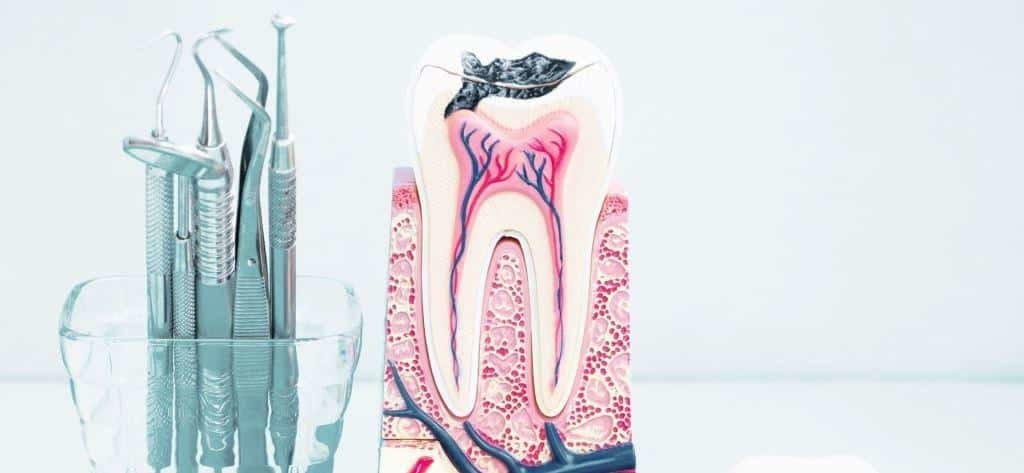
Why does the pulp become inflamed?
Deep decay, a cracked or injured tooth, or leakage around a filling can affect the pulp. Inflammation and infection are related but not identical: an irritated pulp is not automatically an abscess. A dentist needs to assess the cause and whether the tissue can recover.
A broken tooth or damaged filling should be checked. There is no reliable two-day deadline after which every exposed pulp becomes infected, and a small-looking defect can be deeper than it appears.

What symptoms can occur?
You may notice sensitivity to hot or cold food and drink, pain that lingers afterwards, spontaneous aching or pain when biting. Toothache can be difficult to pinpoint. Similar symptoms can have different causes, so they do not reliably identify a stage of disease.
Pain can also ease when the pulp dies. This does not mean that an infection has cleared. Infection around the root may cause swelling, a bad taste or further pain; some affected teeth produce few symptoms.
A suspected abscess needs urgent dental treatment. Contact a dentist or NHS 111 if you have swelling, a high temperature or think you have an abscess. Do not wait for your next routine check-up.
Call 999 or go to A&E if swelling affects breathing, speaking or swallowing, if your eye becomes swollen or painful or your vision changes, or if you have extensive mouth swelling or serious difficulty opening your mouth. The NHS abscess guide explains when emergency help is needed.

How is it treated?
The dentist asks about your symptoms, examines the tooth and may use sensitivity tests and X-rays. Treatment depends on the condition of the pulp and whether the tooth can be restored.
If the pulp can recover, treating the cause and sealing the tooth with an appropriate restoration may be enough. In selected cases, treatment can preserve some or all of the living pulp. If it cannot recover or is infected, root canal treatment may help retain the tooth. Extraction may be needed if it cannot be saved or is the agreed choice after discussing the options.
Antibiotics do not treat pulpitis pain and are not a substitute for dental treatment. They may be prescribed for a spreading infection or other specific clinical reasons. Do not use leftover antibiotics to try to manage toothache.

While waiting for care
A pharmacist can advise about pain relief that is suitable for you. Follow the packet instructions and do not exceed the recommended dose. Soft foods and avoiding very hot or cold food may help if eating is uncomfortable, but relief from symptoms does not remove the need for treatment.
After treatment, attend the follow-up appointments and complete any final restoration recommended. Routine check-ups are planned around your individual risk, rather than a fixed six-month rule for everyone. New symptoms need attention between visits.

Treatment costs
The cost depends on the diagnosis, tooth and restoration required. A root canal fee does not necessarily include the final filling or crown. Ask for an estimate covering the proposed stages and see our dentistry fees.
For payment options, read the current finance information. The amount and terms depend on the agreed treatment and finance arrangement. If you are in pain, contact the practice so we can discuss the appropriate next step.