Prosthodontic treatment: options for damaged or missing teeth
Originally published
Prosthodontic treatment restores damaged teeth or replaces missing ones. Depending on your needs, it may involve a crown, bridge, denture or implant-supported replacement. The aim is to help you eat comfortably and achieve an appearance you are happy with while protecting the teeth and tissues that remain.
There is no single best option for every gap. Your dentist will assess your mouth, explain the benefits and drawbacks, and discuss what matters to you before recommending treatment.
Start with an assessment
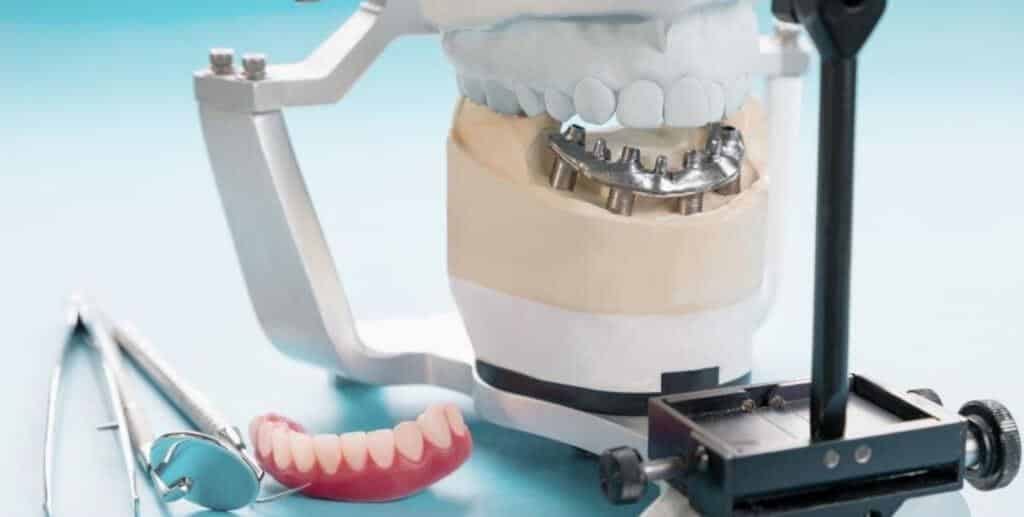
The condition of your teeth and gums, your bite and the size and position of a gap all affect the choice. X-rays may be needed. Decay or gum disease should be addressed as part of the plan, rather than covered over with a new restoration.
A missing tooth can affect chewing, appearance or the position of nearby teeth, but it does not inevitably cause further tooth loss or digestive illness. In some cases, leaving a gap and monitoring it is a reasonable option. Your dentist can explain the likely consequences in your mouth.
Crowns and bridges
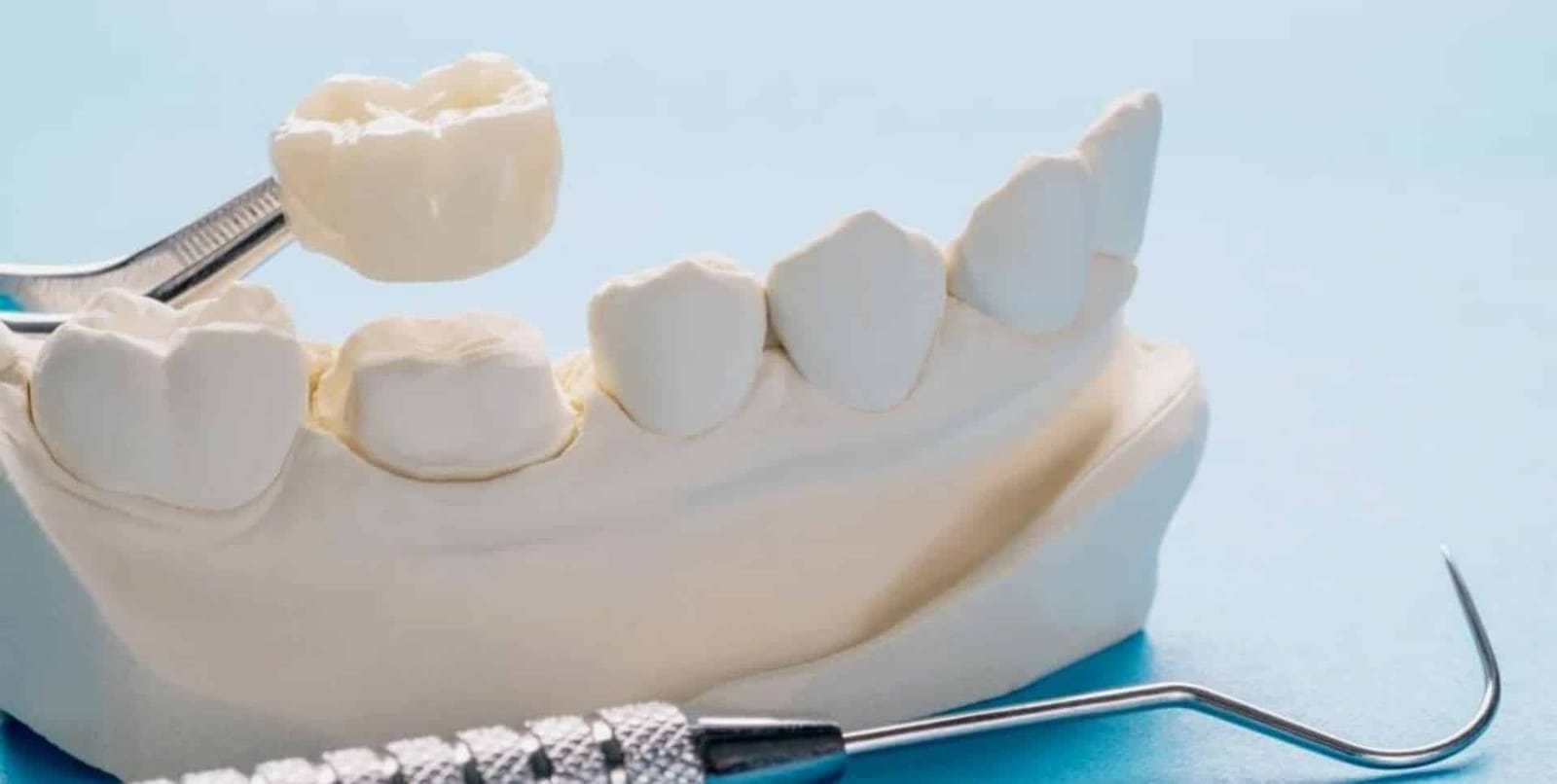
A crown covers and restores a remaining tooth. It may be considered when a tooth is heavily damaged or has a large restoration, but it is not automatically needed for every chipped or root-filled tooth. Preparing a crown usually involves removing some tooth tissue, so alternatives should be discussed.
A bridge replaces one or more missing teeth and is fixed in place. A conventional bridge uses prepared supporting teeth; a resin-bonded bridge is attached with a wing and may need little or no preparation. Suitability depends on the supporting teeth and bite. Neither type is guaranteed to last for life.
Removable dentures
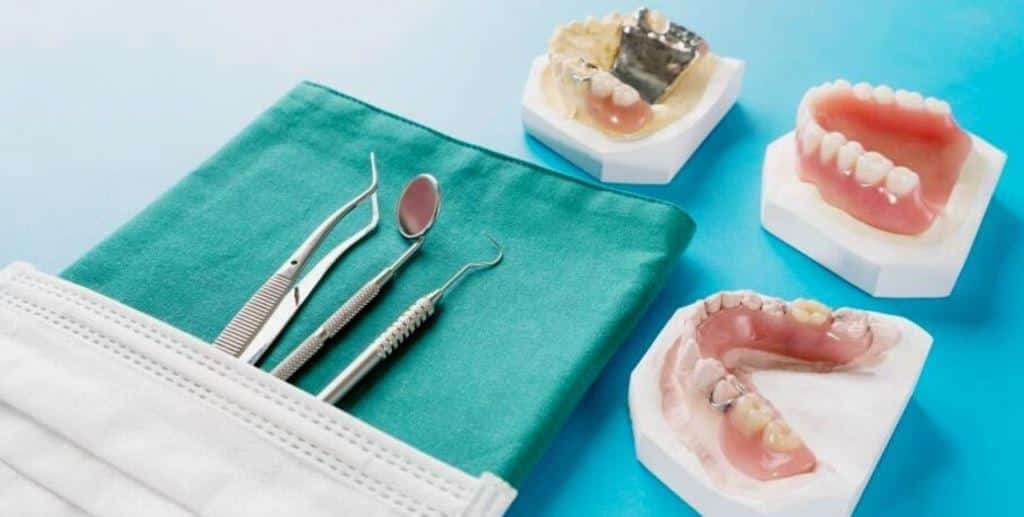
A partial denture replaces some teeth; a complete denture replaces all the teeth in one arch. At our practice, metal-framework and flexible dentures are partial dentures; we do not offer either as a complete denture. No denture is unbreakable or right for everyone.
Dentures take some getting used to. Eating and speaking may feel different at first, and sore areas need professional adjustment. Do not file the denture yourself. Clean it as instructed and usually remove it overnight, unless your dentist has advised otherwise for a specific reason.
Implant-supported teeth
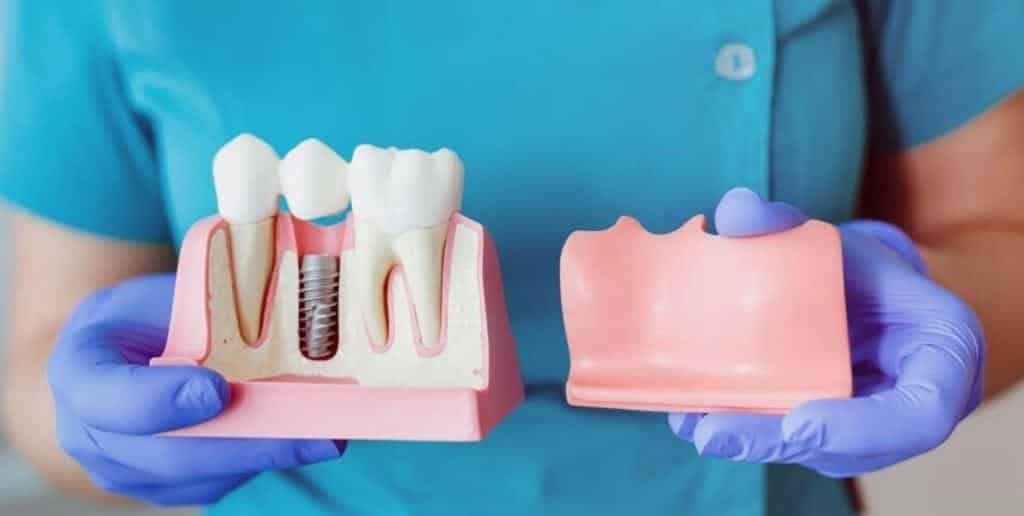
An implant is placed in the jawbone to support a crown, bridge or denture. The implant, connecting abutment and visible replacement are distinct parts. Treatment involves surgery and healing, and suitability depends on factors including oral health, bone and medical history.
Implants still need daily cleaning and regular professional review. They do not remove the risk of gum problems, and treatment may involve additional procedures. Ask about alternatives and the whole course before deciding.
Planning the cost and ongoing care
Use our current prosthodontic fees for crowns, bridges and dentures, and the implant fee page for implant treatment. Denture fees are for one arch. An abutment is not included in the listed implant or crown fee. A written estimate should explain the stages, what is included and any likely additional costs.
Finance may be available subject to status, affordability and terms. Medical-Dent is a credit broker, not a lender. See the current finance information. Ask for repayment figures based on your own treatment plan.
Whichever option you choose, keep attending dental reviews and ask how to clean around the restoration. Crowns and bridges can need repair or replacement, and dentures may need adjusting as your mouth changes.
Contact us to discuss the options, likely maintenance and an individual estimate. The Leeds Teaching Hospitals guide to bridges also explains alternatives, including leaving a gap where appropriate.