
Professional teeth cleaning: scaling, Airflow and fluoride varnish
Originally published
Professional cleaning removes deposits that daily brushing cannot always deal with. The treatment you need depends on your teeth, gums and risk of disease. It may involve scaling, stain removal or fluoride varnish, but not everyone needs every procedure at every visit.
Plaque and tartar are different
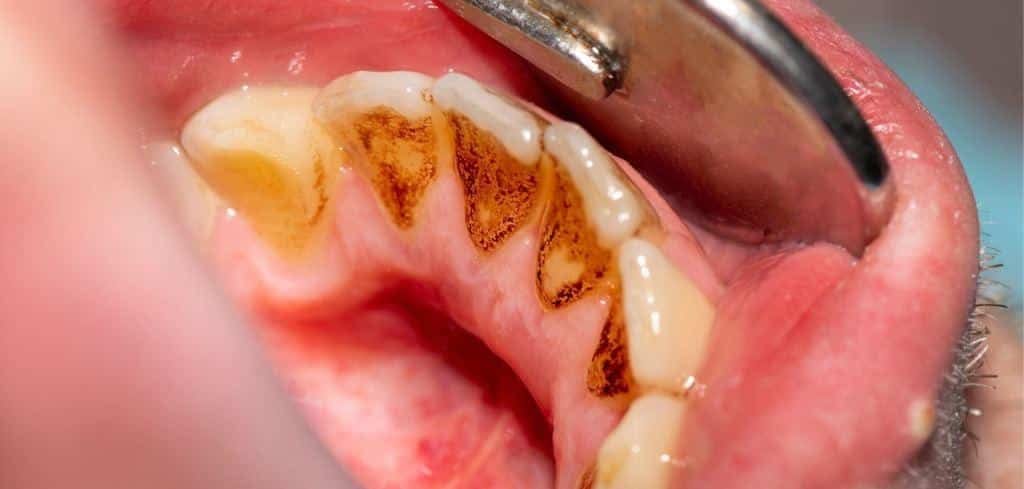
Plaque is a soft film of bacteria on the teeth. If it is not removed, it can harden into tartar, also called calculus. Tartar can form above and below the gumline and varies in colour; it is not always a dark ring around a tooth.
You can control plaque with daily cleaning, but established tartar needs professional removal. Gum inflammation and periodontitis involve more than a visible deposit alone. Bleeding, recession or sensitivity should be assessed rather than treated as proof of one particular condition.
What the treatments involve
Scaling removes hardened deposits with hand instruments, ultrasonic equipment or a combination of the two. If periodontitis affects the supporting tissues, cleaning beneath the gumline may be needed as part of a wider treatment plan. Local anaesthetic can make deeper cleaning more comfortable; scaling is not guaranteed to be painless for everyone.
Air polishing, often called Airflow, uses a controlled spray of air, water and powder to remove soft deposits and surface stains. The dental professional chooses a suitable powder and technique for the surfaces being treated. It does not replace scaling where hard tartar remains.
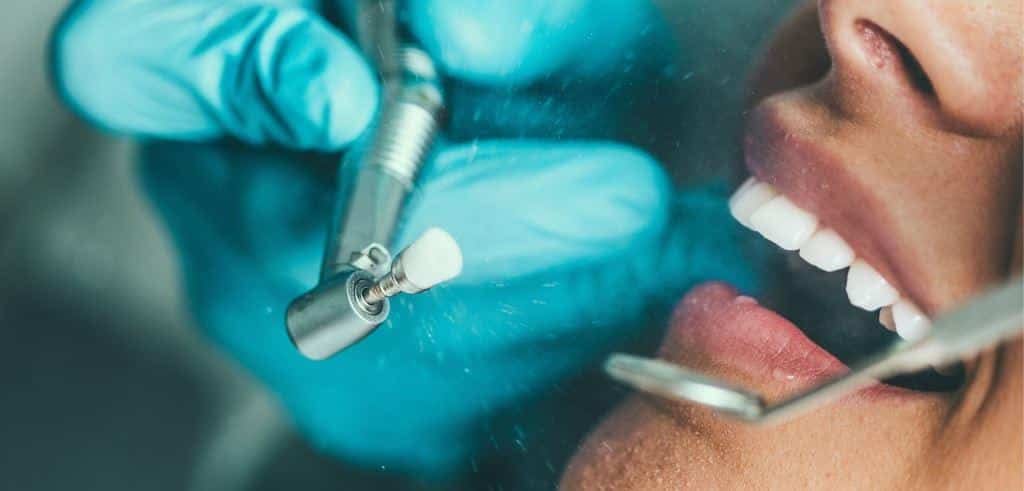
Polishing may use a small rotating cup or brush with a suitable paste to remove remaining surface stains and leave teeth feeling smoother. The method is chosen according to what is needed, rather than added automatically to every appointment.
Fluoride varnish is applied to teeth to help prevent decay when indicated. It has a different purpose from removing tartar or stains. Tell the team about allergies before any product is applied.
Removing external stains can make teeth look cleaner or brighter. It does not bleach their natural colour or guarantee a white smile.
Looking after your teeth afterwards
Follow the instructions for the treatment and products you receive. Advice about eating, drinking and brushing may differ if fluoride varnish or local anaesthetic has been used. There is no single one-hour restriction that applies to every type of cleaning. If your mouth is numb, take care not to bite or burn it.
Some sensitivity or tenderness can follow cleaning, particularly deeper gum treatment. Contact the practice if symptoms are severe, worsening or do not settle as advised.
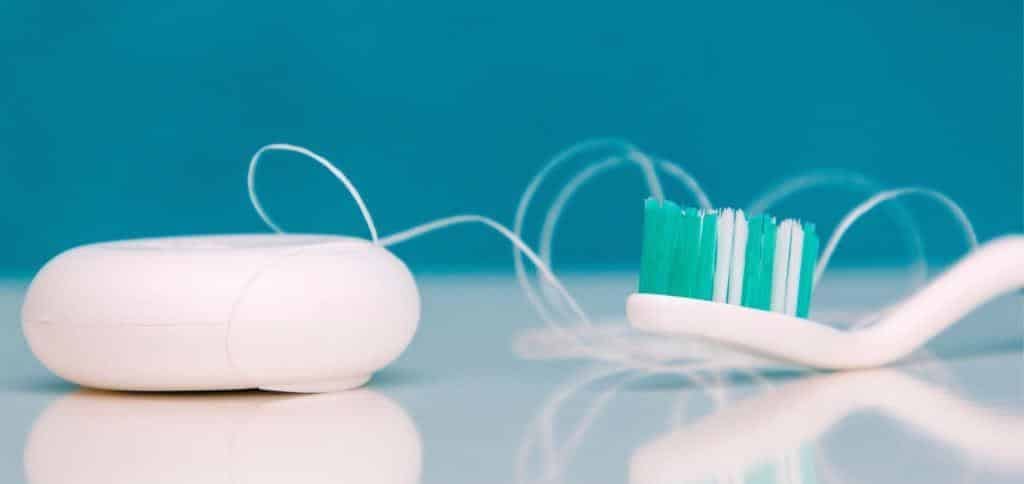
Daily care remains important between visits. Brush with fluoride toothpaste and clean between your teeth using suitable tools. Ask for a demonstration if an area is difficult to reach. Our brushing guide can help you review the basics.
How often is cleaning needed, and what does it cost?
The interval depends on your gum health, deposits, risk factors and response to treatment. Some people need frequent periodontal maintenance; others do not need a scale and polish at every check-up. Six months is not a universal minimum interval for everyone.

Our listed fee for scale, Airflow and fluoride varnish is £170. Your assessment determines which procedures are appropriate and whether separate periodontal treatment is needed. See the current dental fees or contact us for a treatment plan.
If you already have a plan from another practice, bring it for discussion. We may need our own assessment before providing a quote; a lower price cannot be promised. Payment options are explained in our current finance information, subject to eligibility, status, affordability checks and the agreement’s terms.