Wisdom tooth surgery: how to prepare
Originally published
Wisdom teeth are the last molars at the back of the mouth. Some erupt normally; others remain partly or completely under the gum or bone. Being impacted does not, on its own, mean that a wisdom tooth must be removed.
If a tooth is causing repeated problems or has disease, an examination can establish whether removal is appropriate. Preparation starts with understanding the reason for surgery and the anaesthetic planned.
When is removal considered?
Reasons may include decay that cannot be restored, recurrent infection around the tooth, damage to a neighbouring tooth or another identified problem. An isolated mild episode of gum inflammation does not automatically mean surgery is needed.
Healthy, disease-free impacted wisdom teeth are not routinely removed just in case. Removing them is also not a routine way to prevent crowding of the front teeth. The dentist should explain the expected benefit, the risks and what monitoring would involve if the tooth is retained.
What information does the team need?
Tell the clinician about your medical conditions, allergies and all medicines, including blood thinners. Do not stop prescribed treatment unless the responsible clinician gives you specific advice. Mention previous problems with anaesthesia or dental treatment.
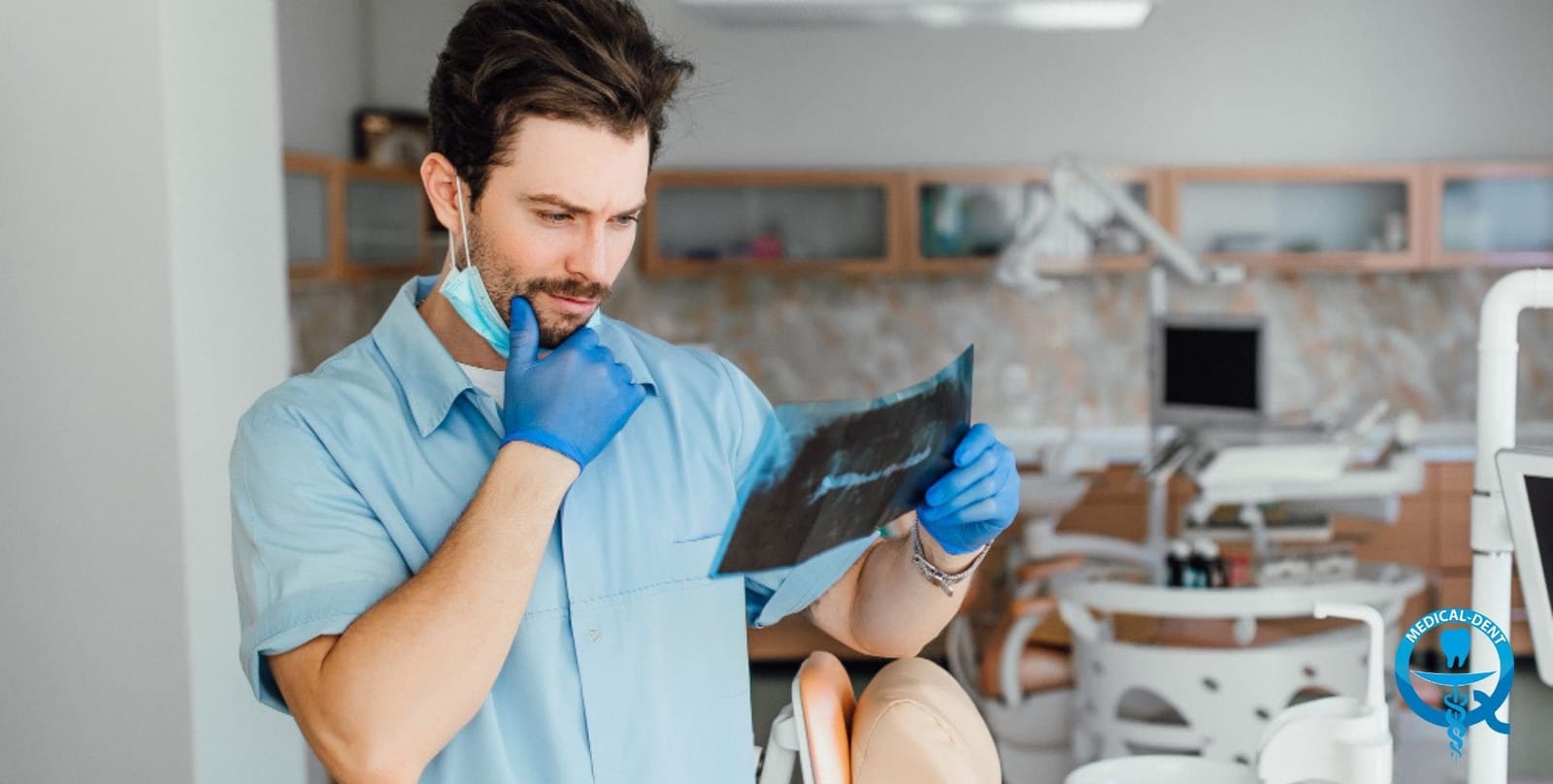
An X-ray is commonly used to assess the tooth and surrounding structures. Further imaging or medical tests are arranged when indicated; blood tests are not automatically necessary for every patient having surgery.
Discuss the risks relevant to your tooth. Lower wisdom teeth can lie close to nerves affecting sensation in the lip, chin or tongue. Upper teeth may be close to the sinus. The team should explain any additional precautions or alternatives relevant to those findings.
Eating, travel and recovery plans
Ask which type of anaesthetic you will receive. With local anaesthetic alone, fasting is not usually needed unless the team instructs you otherwise. For sedation or general anaesthesia, follow the specific eating and drinking instructions supplied. Contact the team before the appointment if anything is unclear.
Arrange an escort and supervision if required. You must not drive after sedation or general anaesthesia until the advised restriction has passed. Plan time away from demanding work or other responsibilities according to the proposed procedure.
Have appropriate soft food available and ask what pain relief is suitable for you. Do not assume that you must avoid all food for a fixed number of hours after every extraction; follow the team’s instructions and take care while your mouth is numb.
During and after the procedure
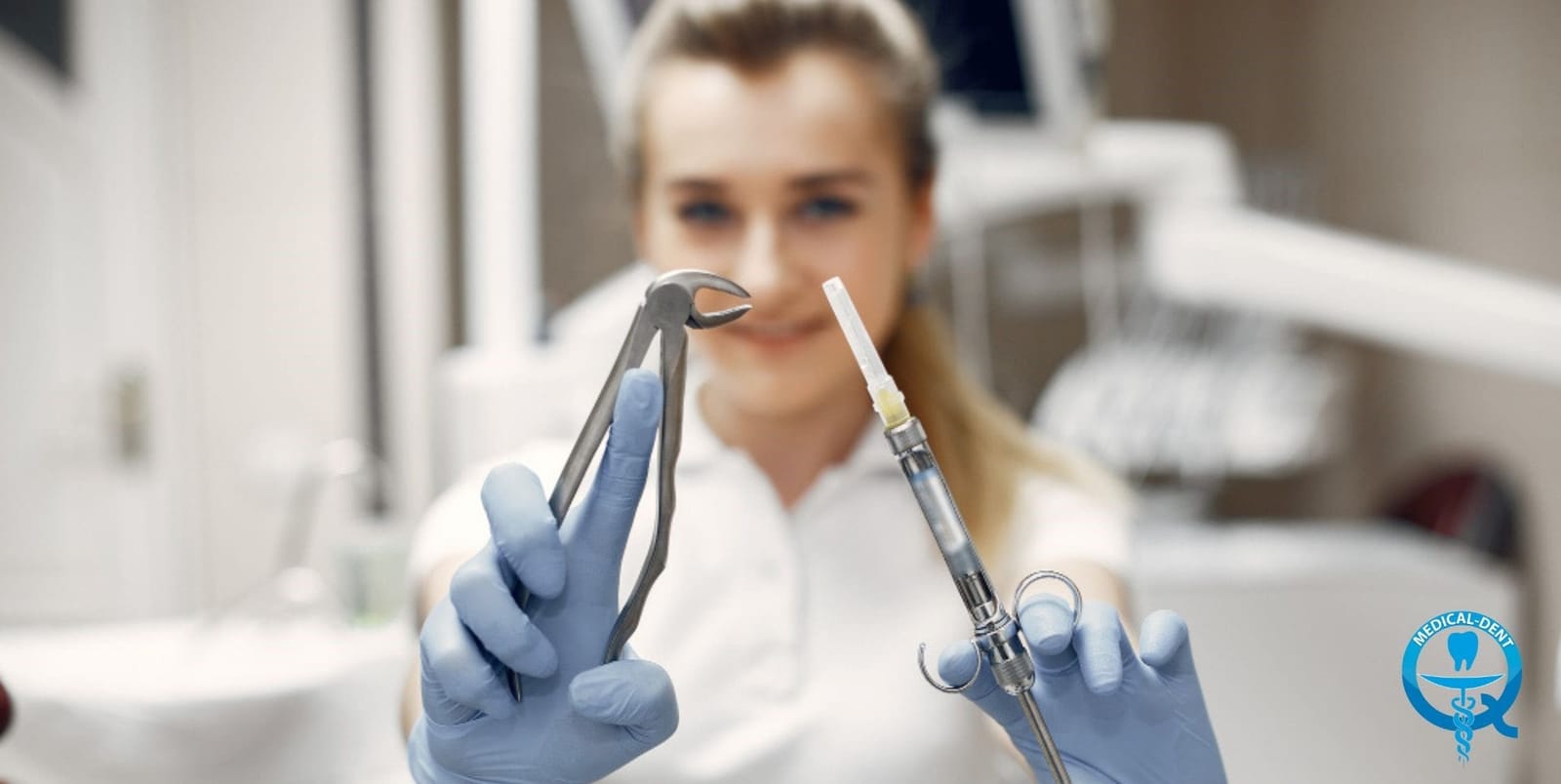
The area is numbed before the tooth is removed. Some teeth can be removed directly; others require an incision, removal of some bone or division into smaller pieces. Stitches may be placed. Let the clinician know if you feel pain rather than pressure.
You should leave with written aftercare advice and contact details for problems. Avoid rinsing or disturbing the socket for the first 24 hours, and follow the instructions for cleaning, smoking, activity and any medicines. Ask whether a review or stitch removal is needed.
Seek prompt advice for persistent bleeding, fever, increasing swelling or severe pain that is worsening rather than settling. NHS 111 can help if you cannot access urgent dental care. Difficulty breathing or swallowing, or severe bleeding that will not stop, requires emergency help through 999 or A&E.
What does treatment cost?
Our listed fee for surgical removal of an impacted tooth is from £250, including placement and removal of stitches where needed. This is not the same procedure or fee category as every wisdom tooth extraction. Your dentist will confirm the applicable treatment and estimate.
See our oral surgery fees. If you are considering instalments, read the current finance terms; approval and eligibility conditions apply. Contact us to arrange an assessment or ask about preparing for your appointment.