Porcelain crowns: materials, fitting and care
Originally published
A porcelain crown can restore a tooth that has lost a substantial amount of its natural structure. It covers a prepared tooth and is fixed in place, rather than removed for cleaning. It may improve appearance as well as function, but it needs maintenance and may eventually need repair or replacement.
A crown on a natural tooth is different from a replacement for a missing tooth. If there is no suitable tooth or root to support it, another approach is needed.
Is a crown the right choice?
The dentist considers the remaining tooth, existing fillings, any decay and how the teeth meet. Crowns may help with extensive damage, wear or some developmental defects. They are not the first choice for every small chip or gap between otherwise healthy teeth.
For a change in appearance, ask whether bonding, a veneer or orthodontic treatment would preserve more healthy tissue. Preparing a tooth for a crown is irreversible. The benefits should justify that preparation.
What does “porcelain crown” mean?
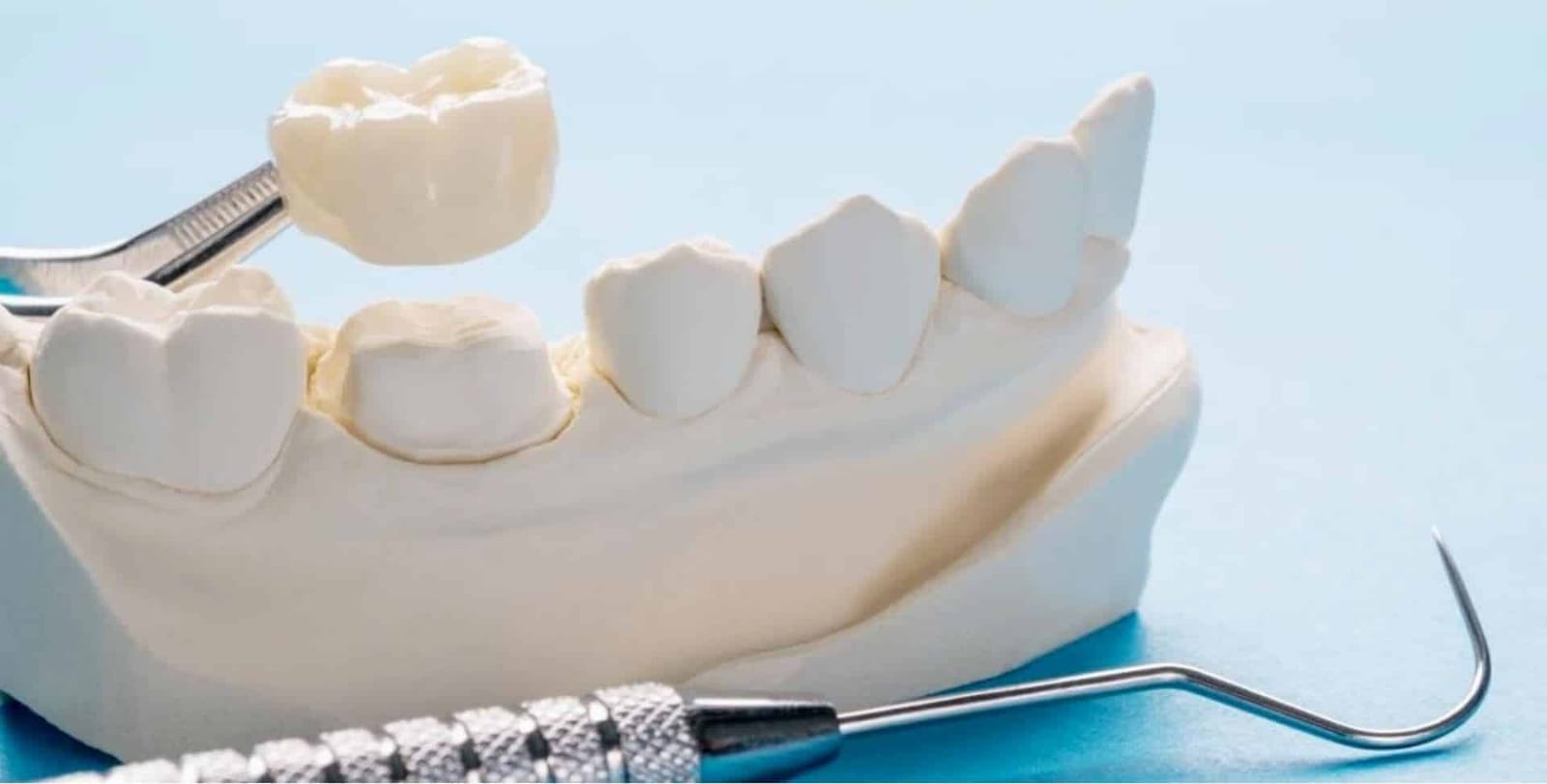
A porcelain-fused-to-metal crown has a metal base covered with tooth-coloured ceramic. An all-ceramic crown has no metal base. Zirconia is also a ceramic: a zirconia crown may be made as one piece or covered with another ceramic layer.
These designs differ in appearance and how they cope with the bite. They can still be damaged. A metal-backed crown may show a darker edge near the gum, while choosing a metal-free material does not guarantee an exact colour match or an unlimited lifespan.
Temporary crowns are often made from resin materials. They protect a prepared tooth while the final crown is made; they are not porcelain crowns built on an acrylic base. The dentist can explain the proposed material and why it suits your tooth.
What happens at the appointments?
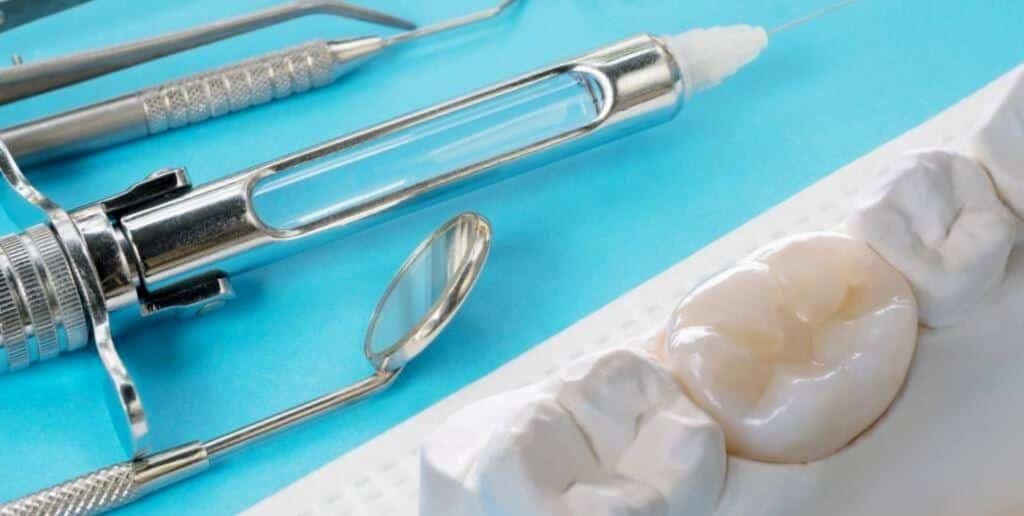
Any necessary treatment is planned before the final crown is fitted. The tooth is reshaped, with local anaesthetic where needed, and a scan or impression records it. Our fee schedule describes a digital scan for the listed crown. The fit still needs to be checked clinically.
You may have a temporary crown between preparation and fitting. Two visits are common, but additional treatment or adjustments can change the schedule. The dentist checks the final crown and bite before securing it. Let them know if you feel pain during treatment or if biting feels wrong afterwards.
Some crowned teeth later need root canal treatment. A crown can also loosen, chip or need replacement. Ask how these possibilities affect your plan and what follow-up is recommended.
Daily care and reviews
Brush twice daily with fluoride toothpaste and clean between the teeth, including around the crown’s edge. The tooth underneath can still develop decay. Ask the dentist or hygienist to show you how to clean areas that are difficult to reach.
Attend reviews at the interval recommended for your oral health rather than assuming twice a year is right for everyone. Contact the practice if the crown becomes loose or breaks, or if you develop persistent pain or swelling.
What does it cost?
The listed porcelain-fused-to-metal crown fee is £500. This is the named crown item; ask whether your estimate includes any root canal treatment, core build-up or other work. Other materials have their own entries in our prosthodontic fee schedule.
Compare complete plans and arrangements for follow-up if you are considering treatment in different countries. A national price range cannot tell you which option will cost less for your particular needs. For payment options, see the current finance information or contact the practice.