
Porcelain bridges: treatment, costs and alternatives
Originally published
A dental bridge is a fixed replacement for one or more missing teeth. It can help with appearance and chewing, but suitability depends on the gap, the supporting teeth and your bite. It is one option to discuss, rather than an automatic choice whenever a tooth is missing.
Some gaps can be monitored without replacement. Others may affect eating or appearance, or allow neighbouring teeth to move. Your dentist should explain the likely consequences in your case without assuming that every gap causes jaw pain or must be filled immediately.
How does a bridge work?
A conventional bridge usually has a replacement tooth, called a pontic, connected to crowns on supporting teeth. Those supporting teeth need preparation, which removes tooth tissue and is irreversible. There can be risks such as sensitivity, decay around the edges or a later need for root canal treatment.
An adhesive bridge uses a bonded wing and may involve much less preparation. It is suitable in selected cases and has different limitations, including the possibility of coming loose. A dentist will consider the condition of the neighbouring teeth before recommending either design. See Leeds Teaching Hospitals’ guide to bridges.
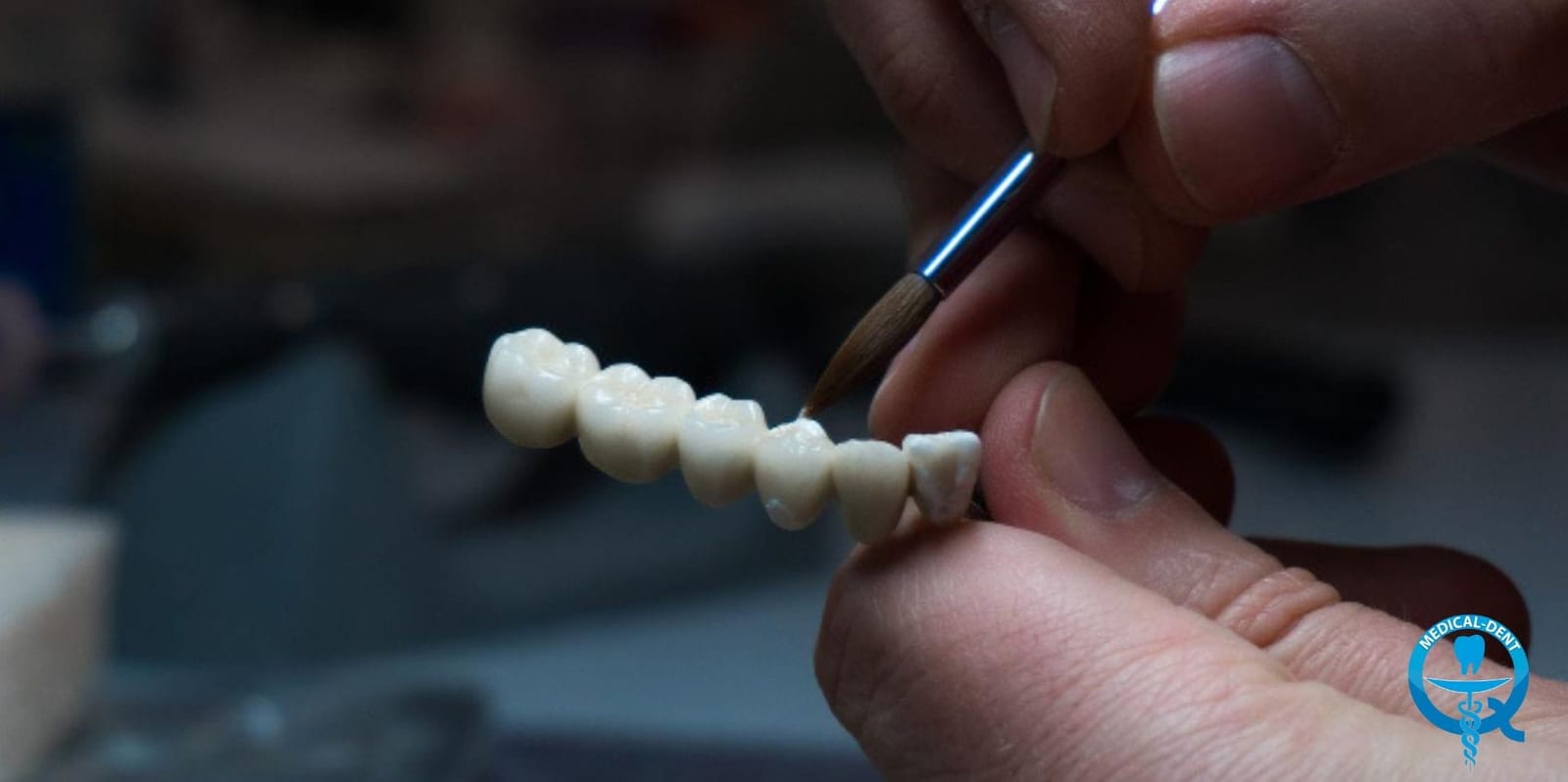
What does “porcelain bridge” mean?
The term can refer to different constructions. A porcelain-fused-to-metal bridge has a metal framework covered with porcelain. Other bridges use ceramic materials without a metal framework; zirconia is itself a ceramic, not a separate non-ceramic category.
Appearance and strength depend on the material, design, position and available space. There is no single material that is best for every patient, and a natural-looking result is not guaranteed simply by choosing a particular label. Ask which material is being proposed and why.
A fixed bridge is not removed for daily cleaning, but it is not indestructible or maintenance-free. If it feels loose or your bite changes, contact the practice.
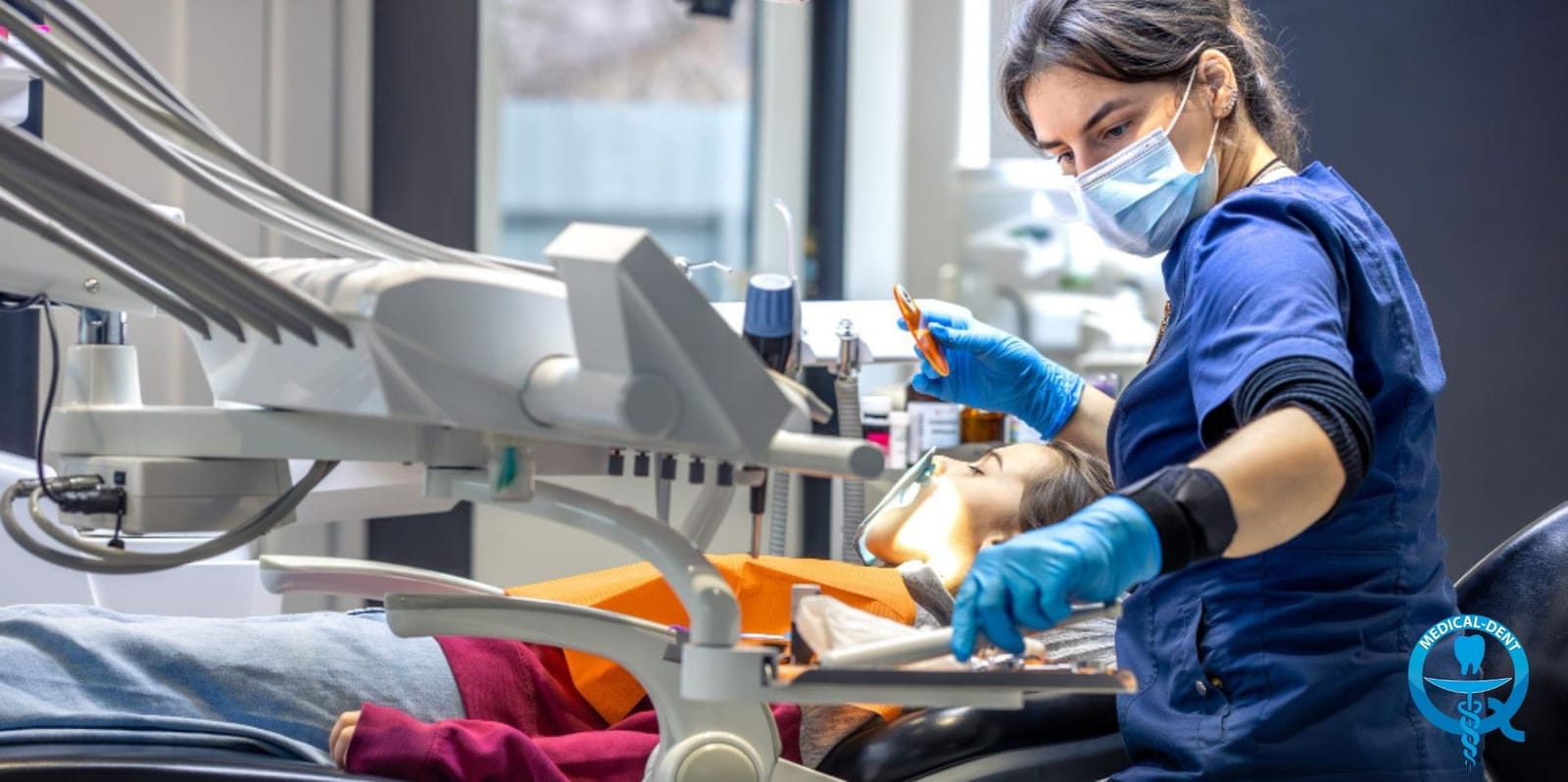
Planning and fitting
The first stage is an assessment of your teeth, gums and bite, with any necessary imaging. Your dentist will discuss alternatives, including a removable denture, an implant-supported replacement or, in selected cases, orthodontic space closure.
For a conventional bridge, the supporting teeth are prepared and an impression or digital scan records their shape. A temporary restoration may be needed while the final bridge is made. Timing depends on the design, laboratory work and any treatment needed first, so ask for an estimate for your own case.
At the fitting, discuss the appearance, comfort and bite before final cementation. Adjustments may be possible, but later changes are more involved. Tell the dentist if something feels wrong rather than assuming you must get used to it.

Cost and ongoing care
Our listed fee for a porcelain-fused-to-metal bridge is £500 per unit. A unit means one tooth-sized part of the bridge, including supporting crowns as well as replacement teeth. The price is therefore not simply multiplied by the number of missing teeth. It is not a quotation for every all-ceramic bridge.
Ask how many units your plan includes and whether preparation, temporary work or other treatment is charged separately. See our prosthodontic fees and current finance information if you want to discuss payment options.
Brush your teeth and bridge, and ask the dental team to show you how to clean underneath the replacement tooth. Keep the advised reviews: the supporting teeth and gums still need care, and the bridge may eventually need repair or replacement.