Plaque, tartar and tooth stains: what is the difference?
Originally published
A coating or mark on your teeth can mean different things. Soft plaque, hardened tartar and surface staining are often described together as “deposits”, but they are not the same and do not need exactly the same care.
Brushing helps remove plaque. Tartar needs professional removal, while a stain may need a different approach. A dentist or hygienist can explain what you are seeing rather than leaving you to scrub harder or try a home scraping tool.
Plaque, tartar or a stain?
Plaque is a soft film containing bacteria that continually forms on teeth. If it is not removed, it can harden as minerals are deposited from saliva. This hardened material is called tartar or calculus, and ordinary brushing cannot remove it.
Surface stains may be linked to foods, drinks or smoking. A brown mark does not automatically mean tartar or decay, and a white-looking tooth is not necessarily free of plaque. Have a new or persistent change assessed, particularly if there is pain or sensitivity.
Why daily cleaning matters
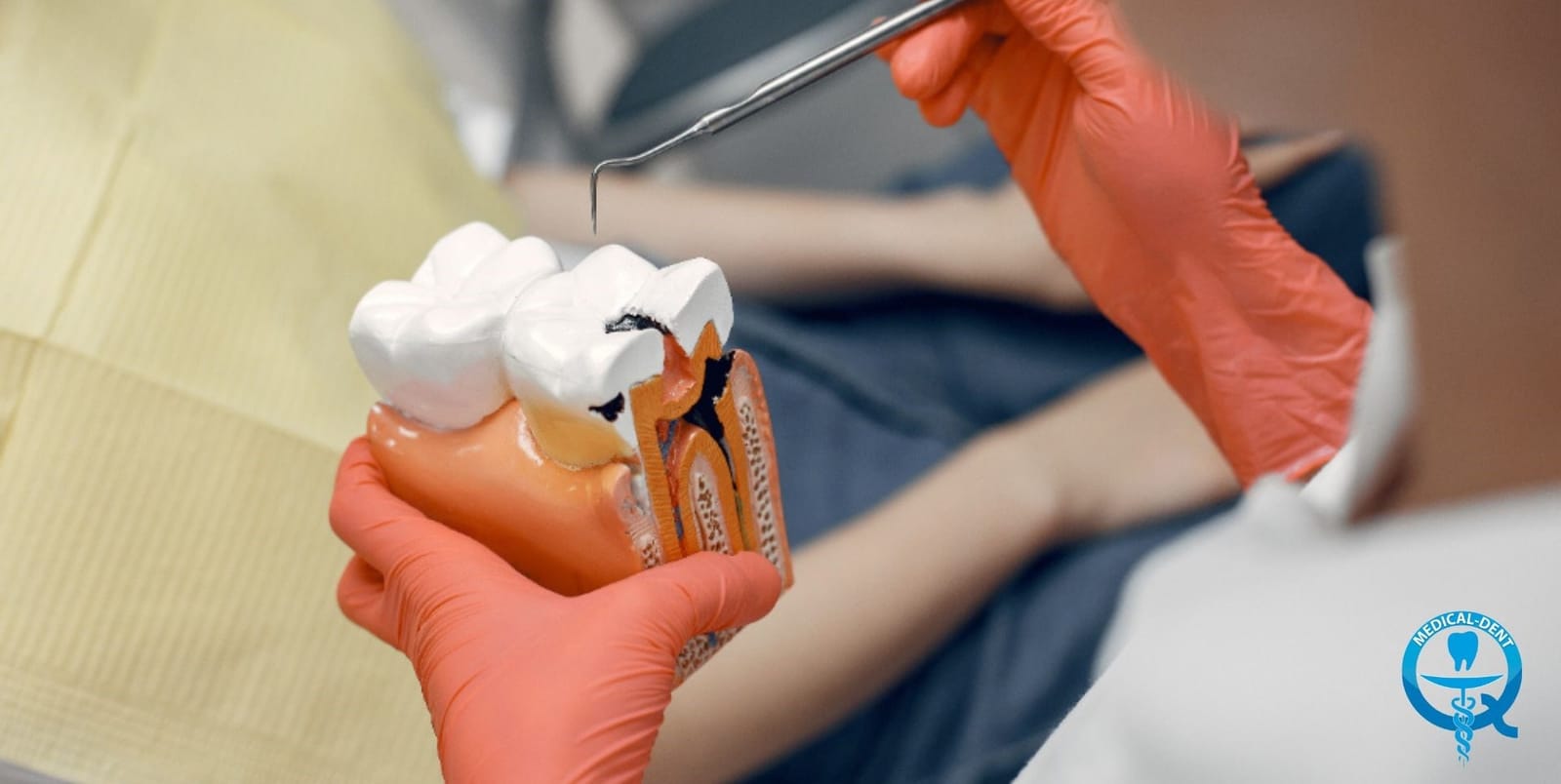
Plaque bacteria can contribute to tooth decay and gum inflammation. Bleeding, swelling and persistent bad breath are reasons to review your cleaning and arrange a dental assessment. Gingivitis does not inevitably progress to periodontitis, but untreated gum disease can damage the tissues supporting teeth.
Bad breath can have other causes too. Repeatedly covering it with mouthwash will not identify a cavity, gum problem or another condition that needs care. The NIDCR guide to gum disease explains the role of plaque and tartar.
What can you do at home?
Brush for about two minutes twice a day, including last thing at night, with fluoride toothpaste. For adults, use at least 1,350 ppm fluoride. Clean all tooth surfaces gently and spit out the toothpaste without rinsing immediately afterwards.
Clean between teeth daily with floss or appropriately sized interdental brushes. Ask for help choosing and using an aid if your teeth are crowded, you have dental work or reaching an area is difficult. Pressing harder is not the answer to a missed area.
Mouthwash is an optional addition for particular needs, not a substitute for brushing. If using a fluoride rinse, choose a different time from brushing. Medicated antibacterial rinses should follow professional advice rather than becoming an indefinite routine. See the NHS cleaning guide.
Water and crunchy vegetables do not replace plaque removal with a brush and interdental cleaning. Keep sugary food and drink to mealtimes where possible. Eating an apple or carrot after a meal is not a way to remove tartar, and hard deposits should not be scraped off at home.
What happens during professional cleaning?
The dental team first checks what needs attention. Scaling removes tartar with hand or powered instruments. Polishing or air polishing may help with suitable surface deposits and stains. Fluoride varnish may be recommended to reduce decay risk; it is not itself a cleaning method or a compulsory final step for every adult.
Not everyone needs the same combination of procedures every six months. Cleaning and review intervals should reflect your gum health, deposits and individual risk. Deeper periodontal disease may need more than a routine scale and polish.

If you notice deposits you cannot remove, arrange an assessment. Seek prompt advice for new tooth looseness or painful swelling. Professional care and a manageable daily routine work together; one cannot replace the other.