Oral thrush: symptoms, causes and treatment
Originally published
Oral thrush, also called oral candidiasis, is a fungal infection caused by Candida yeast. It is not caused by a type of bacteria, and it is not the same condition as ringworm.
A sore mouth, altered taste or white patches can have several causes. If you are unsure what is happening, ask a pharmacist, dentist or GP rather than diagnosing thrush from a photograph. The condition is common and is not a reason to feel embarrassed about seeking care.
Symptoms are not always the same
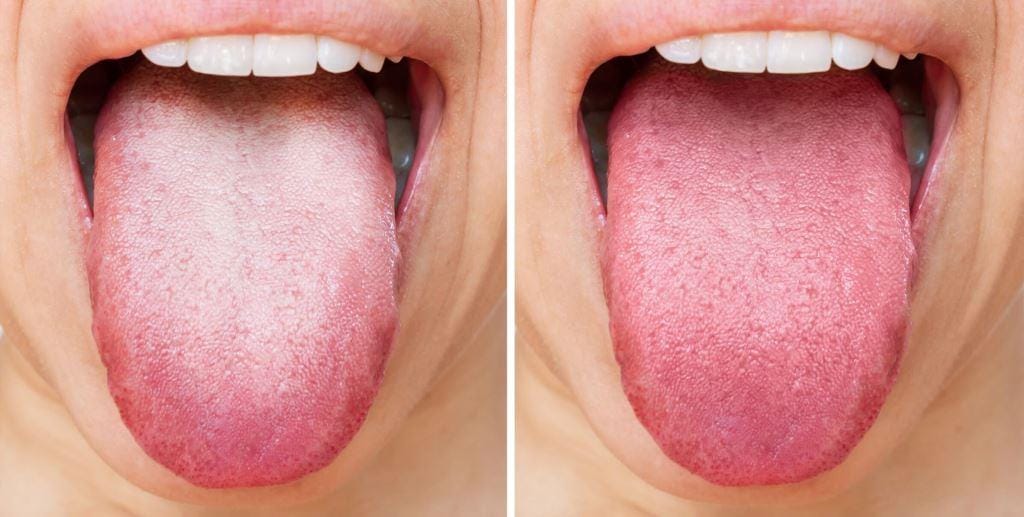
Thrush may cause soreness, a burning sensation, altered taste or cracks at the corners of the mouth. Some forms produce white patches that can leave a red, sometimes bleeding surface when wiped away. Other forms look mainly red, including inflammation beneath a denture.
These are not compulsory stages through which every infection progresses. Do not scrape a patch to test the diagnosis. A persistent red or white area, particularly one that does not wipe away, needs examination rather than repeated self-treatment.
A clinician will ask about symptoms, medicines and general health and examine your mouth. Further tests or specialist assessment may be needed if the appearance is unusual, the diagnosis is uncertain or the problem keeps returning.

Why does thrush develop?
Candida can be present in the mouth without causing symptoms. Thrush develops when conditions allow it to overgrow. Antibiotics, inhaled corticosteroids, a dry mouth, diabetes, reduced immunity and denture-related problems can contribute. It can happen even when someone takes good care of their teeth.
Do not stop prescribed antibiotics or asthma treatment yourself. If you use a steroid inhaler, ask the prescribing team or pharmacist to check your technique and advise on rinsing and spitting afterwards, and a spacer if appropriate for your device.
Denture cleaning, fit and overnight wear also matter. Ask your dentist to check a denture that rubs or no longer fits well.
Treatment and medicine safety
Antifungal medicines may be used as a gel, liquid or, in some cases, tablets. The choice depends on the person and the infection. Follow the instructions and check with the treating professional if symptoms persist or return.
Tell the pharmacist or prescriber about all your medicines before starting treatment. Some antifungals, including oral gels, can interact with medicines such as warfarin. The SDCEP guidance on fungal infections highlights these interactions and the need to choose treatment appropriately.
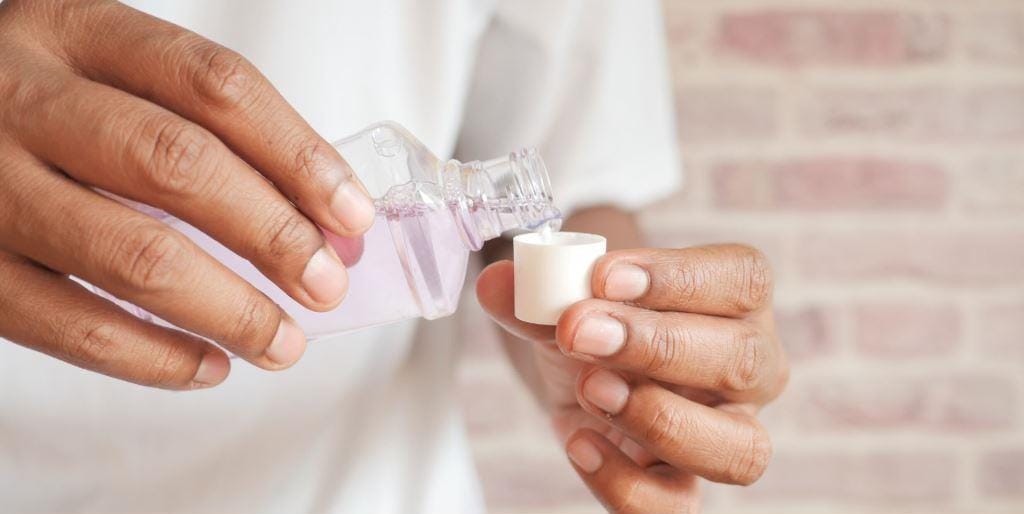
Coconut oil, yoghurt and probiotic products are not substitutes for antifungal treatment. Probiotics are not automatically required with every antibiotic prescription. Do not use tea tree oil as a home treatment inside your mouth or swallow it: NCCIH warns that swallowing tea tree oil can be harmful.
When to ask for further help
See a GP if swallowing is painful or difficult, or if treatment has not helped after a week. Seek urgent advice if you cannot drink enough or are becoming unwell, especially if your immune system is weakened. A baby with feeding problems needs advice appropriate to their age; do not use an adult’s medicine for them. The NHS oral thrush guide includes advice for adults and babies.
Reducing the chance of recurrence
Keep your mouth and dentures clean, remove dentures overnight unless your dentist has given a specific reason not to, and attend agreed reviews. Get help to stop smoking if you smoke. Follow the advice for any condition or medicine contributing to the problem.
A balanced diet and oral hygiene support health, but they cannot guarantee that thrush will never return. Repeated episodes are a reason to review the cause and treatment, not simply to brush harder or add another supplement.