Oral surgery in the UK: when might you need a referral?
Originally published
A difficult extraction, an unerupted tooth or preparation for an implant may lead to a referral for oral surgery. Your dentist will usually assess the problem first and explain whether they can treat it or whether another clinician or hospital service is needed.
A referral does not automatically mean an operation. The assessment should cover the diagnosis, alternatives and the risks of treating or monitoring the problem.
Wisdom teeth and other unerupted teeth
Wisdom teeth can be difficult to clean, particularly when only partly through the gum. Repeated infection, decay or other disease may make removal appropriate. A wisdom tooth that is not causing problems can often be monitored. The NHS explains when removal may be considered.
An impacted tooth has not erupted into its expected position. Examination and imaging help establish where it is and whether it is affecting nearby structures. Headaches or a feeling of pressure alone do not diagnose an impacted tooth or establish a need for surgery.
Some unerupted teeth, such as selected canines, can be exposed and guided into position with orthodontic treatment. Others may be monitored or removed. The choice depends on the tooth and the overall plan, rather than a rule that every impacted tooth must come out.
Jaw surgery and implant preparation
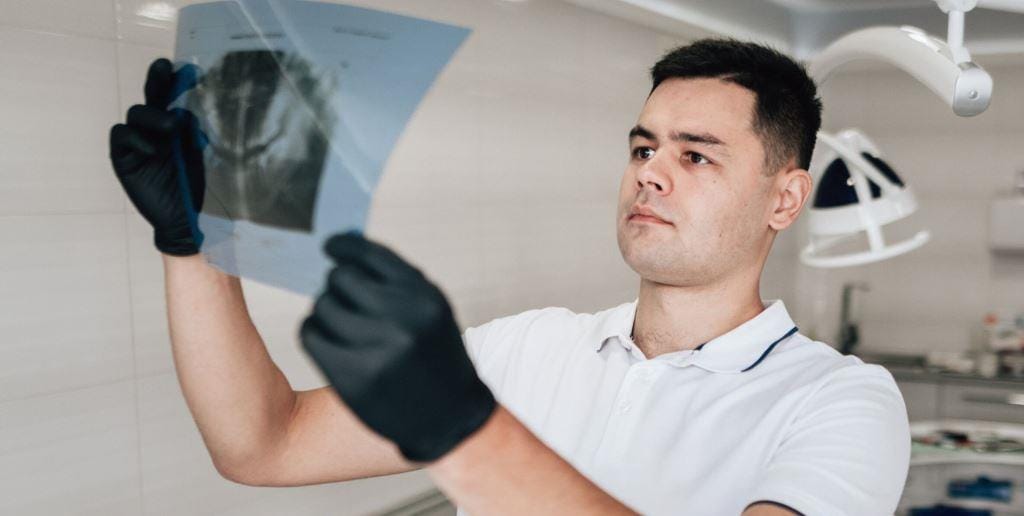
A pronounced difference between the positions of the jaws may need joint assessment by an orthodontist and an oral and maxillofacial team. Not every underbite needs surgery. When corrective jaw surgery is appropriate, braces are commonly used before and after it. Royal Devon describes this combined approach.
This is different from a sinus lift, which may be considered when there is insufficient bone for an implant in the upper back jaw. The need depends on the implant plan and assessment of the bone and sinus. Neither procedure is an automatic step for every patient.
Hospital jaw surgery and fracture care should not be assumed to be services available at a general dental practice. Serious facial or jaw injuries need emergency assessment, not a routine consultation booking.
Jaw joint pain also does not automatically call for surgery. Many temporomandibular disorders are managed with conservative care; NIDCR explains why the diagnosis and alternatives matter.

Plan your follow-up care
Before treatment, ask who to contact if recovery is not going as expected. This matters wherever the procedure is performed. If travelling for care, plan follow-up, access to records and help with complications as well as travel costs.
Dry socket can cause significant pain when healing in an extraction socket is disrupted. Fever and heavy bleeding should not simply be labelled dry socket. Contact a dentist urgently for worsening pain, swelling, fever or bleeding that will not stop; NHS 111 can help if you cannot access care. Heavy uncontrolled bleeding, serious facial injury or swelling affecting breathing or the eyes needs A&E or 999.

Listed procedure fees
- Surgical extraction of a premolar or molar: from £220.
- Exposure of an unerupted tooth for orthodontic treatment: from £220.
- Sinus lift: from £800.
These are procedure fees, not a quotation for every surgical case or a consultation fee. Ask for a written plan covering the treatment you need. See our oral surgery fees and implant fees.
If you are considering instalments, check the current finance information and the terms offered to you. Do not delay urgent assessment while arranging payment.