Oral health and general health: understanding the links
Originally published
A painful tooth or sore gums can affect eating, sleep and daily life. Researchers also study links between oral health and conditions elsewhere in the body. Those links matter, but finding two conditions together does not necessarily mean that one caused the other.
Age, smoking, diabetes and access to care can influence both oral and general health. Understanding this helps avoid frightening claims that a dental problem will inevitably lead to a heart attack or dementia.
Gum disease and heart health
Studies have found an association between periodontitis, which affects the tissues supporting teeth, and cardiovascular disease. Researchers are investigating the possible roles of bacteria and inflammation. As the British Heart Foundation explains, questions about the connection remain.
Treating gum disease is worthwhile for your mouth. It should not be presented as a proven way to prevent a heart attack or stroke, or as a replacement for managing blood pressure, cholesterol or other cardiovascular risks.
Tell your dentist about a heart condition, previous heart surgery and any medicines you take. Some conditions require particular planning between your dental and medical teams.

Diabetes and gum disease affect each other
Diabetes can increase the risk of gum disease, and inflamed periodontal tissues can make blood glucose harder to manage. Dental treatment and daily cleaning can therefore be useful parts of care alongside your diabetes treatment.
Let your dentist know that you have diabetes and report bleeding gums, persistent bad breath or loose teeth. Gum symptoms cannot tell you your blood glucose level, and dental treatment does not replace monitoring or prescribed medicines. Diabetes UK explains the two-way relationship.
Mouth care and respiratory health
Mouth care is particularly important for people who are frail, depend on others for cleaning or have difficulty swallowing. Material from the mouth can enter the lungs and contribute to aspiration pneumonia. Care plans should take account of swallowing safety, tooth cleaning and denture care.
This does not mean that everyone with decay will develop a chest infection. NICE guidance for care homes highlights the needs of people who may struggle to explain pain or look after their own mouth.
Dental health during pregnancy
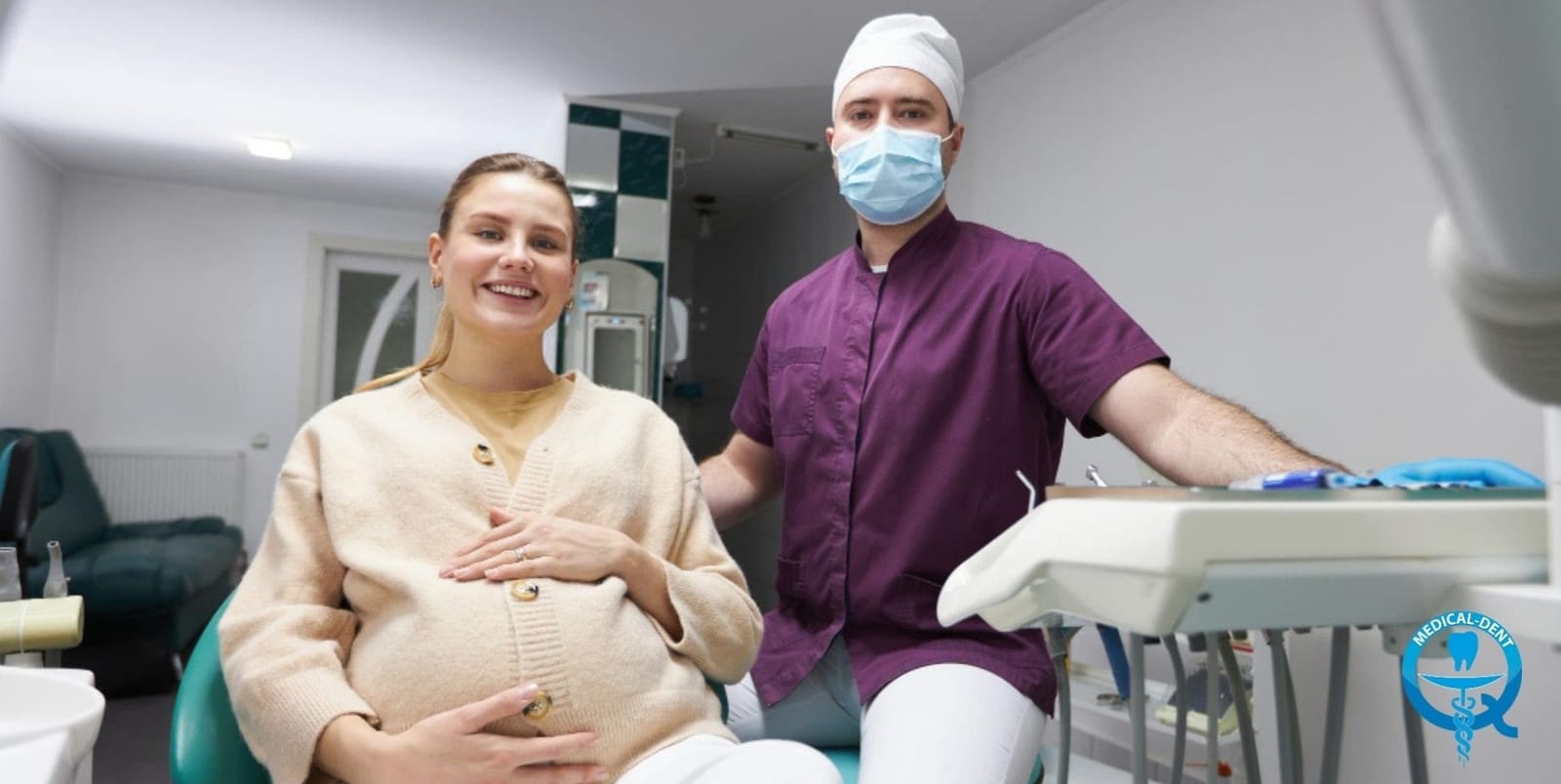
Pregnancy can make the gums more prone to inflammation and bleeding. Tell the dentist that you are pregnant and discuss any symptoms, so treatment can be planned appropriately. Do not put off a painful or infected tooth simply because you are pregnant.
Some studies associate periodontal disease with premature birth or low birth weight. That does not establish that gum disease caused an individual pregnancy complication, or that dental treatment will prevent one. A Cochrane review found uncertainty about whether treatment reduced preterm birth. Dental care remains valuable for your own health and comfort.
Oral health and dementia
Researchers are studying associations between gum disease, tooth loss and dementia. The direction and causes of these links are not settled. Dementia can itself make brushing, arranging appointments or describing toothache more difficult.
It would be misleading to claim that dental treatment prevents or treats Alzheimer’s disease. Practical help with daily mouth care and access to a dentist can, however, improve comfort for someone living with dementia. The Alzheimer’s Society mouth care guide explains how to support them.

Everyday comfort is a good reason to seek care
Toothache, missing teeth or concerns about your smile can affect confidence, eating and social activities. The effect differs from person to person. If anxiety makes appointments difficult, tell the practice so you can discuss what would help.
Brush twice daily with fluoride toothpaste, clean between your teeth and attend reviews at the interval your dentist recommends. Seek advice for persistent bleeding, pain, swelling or a loose tooth. These steps support oral health without promising protection from every illness.
You can contact the practice to arrange an assessment. Bring your medical and medicines history so your dental care fits with the rest of your treatment.