
Night guards and occlusal splints: when can they help?
Originally published
Grinding or clenching your teeth can cause tooth wear, sensitivity or jaw discomfort. Some people do it during sleep and only discover it when a partner notices the noise or a dentist spots damage. Others clench while concentrating or under stress.
A dental splint, often called a night guard, may help protect your teeth. It does not reliably stop grinding, and jaw pain needs assessment rather than an assumption that a guard will solve it.
What is an occlusal splint?
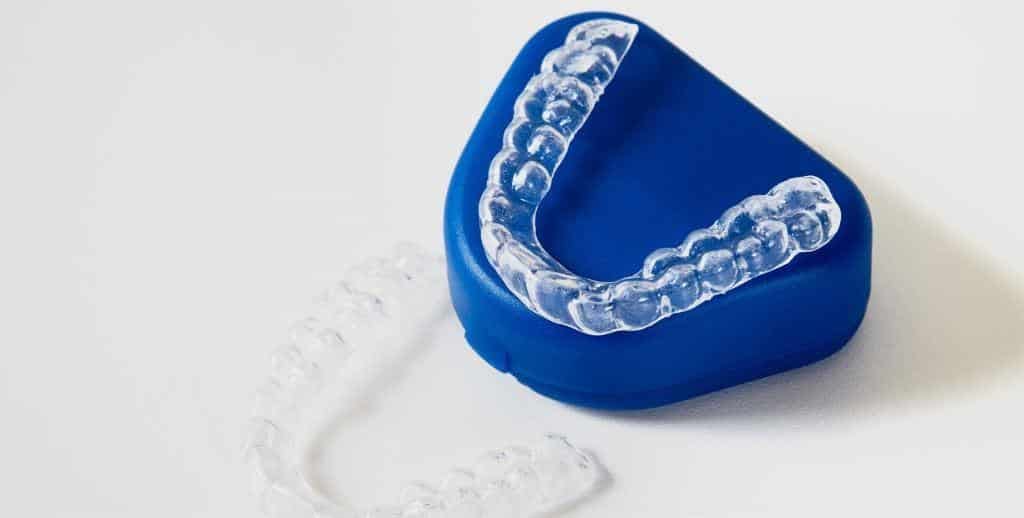
A splint is a removable appliance that fits over the upper or lower teeth. Its design and material depend on the reason for prescribing it. A custom appliance is made using an impression or scan and checked in your mouth so that the fit and bite can be adjusted.
It is different from an orthodontic aligner, which moves teeth, or a retainer, which helps hold them in position after orthodontics. A whitening tray has another purpose again. Do not use one appliance as a substitute for another without advice.

What can it help with?
A guard separates the teeth and can reduce damage caused by grinding. It may also form part of a plan for jaw symptoms, but evidence that splints relieve temporomandibular disorder pain is limited. They should not be designed to permanently change your bite.
Stress and anxiety can contribute to grinding, but they are not the only possible factors. Sleep problems, including sleep apnoea, some medicines, smoking, alcohol and caffeine may also be relevant. Mention snoring, disturbed sleep or daytime sleepiness, and discuss possible medicine effects with your GP rather than stopping prescribed treatment yourself.
Your dentist can assess tooth damage and jaw movement and discuss other measures. Depending on your symptoms, these may include reducing clenching during the day, relaxation, changes to habits or further assessment. A splint cannot straighten teeth or correct a bite problem in the way orthodontic treatment can.
Wearing and looking after your splint
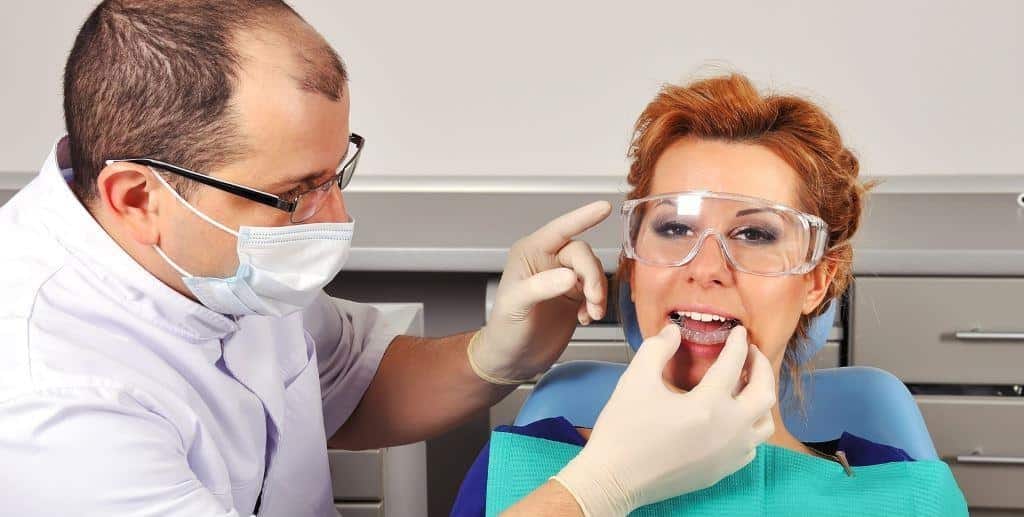
Follow the wearing schedule given by your dentist. A night guard is usually worn during sleep; a transparent appearance is not a reason to wear it throughout the day. Bring it to review appointments so the fit, wear and condition of your teeth can be checked.
If it causes pain or changes how your teeth meet, stop using it and contact your dentist. Do not trim or reshape it yourself. An appliance bought online may not fit properly, and home moulding instructions cannot replace an assessment of persistent symptoms.
Clean it as instructed for its material, commonly using cool water and a soft brush. Avoid hot water, which can distort some appliances, and check before using toothpaste or cleaning chemicals. Store it in the case as directed and keep it away from pets. Brush your teeth before putting it in.
What does a splint cost?
Our listed relaxation splint fee is £250. See the current prosthodontic fees and ask what the fee includes, including any review or adjustment arrangements. The appropriate appliance can only be decided after assessment.
Finance may be available subject to status, affordability and terms. Medical-Dent acts as a credit broker, not a lender; check the current finance information.
If you have tooth wear, regular jaw pain or concerns about grinding, contact us to arrange a dental assessment.