
Mouth ulcers: causes, care and when to get help
Originally published
A mouth ulcer is a sore in the lining of the mouth. Even a small one can make eating or brushing uncomfortable. Most minor ulcers settle within one or two weeks, but an ulcer that has not healed after two weeks needs dental advice.
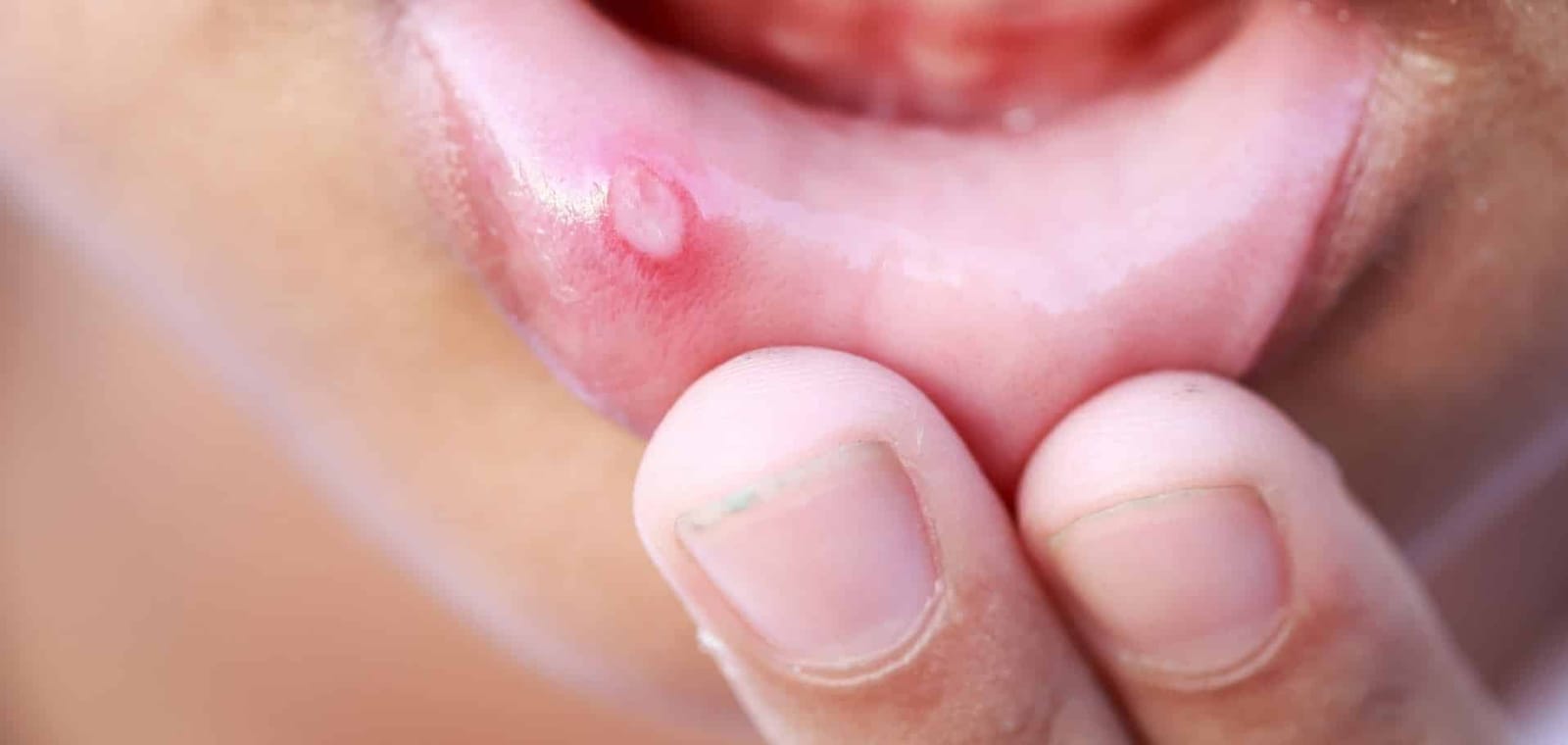
What are aphthous ulcers?
Aphthous ulcers are a common type of recurring mouth ulcer. They can affect the lips, cheeks or tongue and are not contagious. They are different from cold sores, which are caused by a virus.
Not every sore in the mouth is an aphthous ulcer. A photograph or its size alone cannot confirm the cause, particularly if it is new, unusually large or slow to heal.
Why do they happen?
The cause of recurrent aphthous ulcers is often unclear. They are not simply a sign that someone has failed to keep their mouth clean. Injury from a sharp tooth, a poorly fitting denture or braces can also cause a sore that needs attention.
Some recurrent ulcers are associated with a nutritional deficiency or another medical condition. A clinician may ask about your medicines, general health and symptoms elsewhere, and decide whether investigations are needed. Do not start vitamins or zinc solely because an ulcer has appeared. Cambridge University Hospitals has more information about recurrent oral ulceration.

How can I make eating and brushing easier?
Use a soft toothbrush and choose foods that do not rub or sting the sore. Avoid very hot drinks and foods that are spicy, acidic or rough while the area is painful. A pharmacist can advise on a suitable pain-relieving product or mouthwash, including whether it is appropriate for a child.
Keep brushing gently with fluoride toothpaste. If ulcers recur, ask about trying a toothpaste without sodium lauryl sulphate (SLS), while retaining fluoride. Tell your dentist if a filling, denture or brace is rubbing the same place.

What about home remedies?
There is no guaranteed quick cure. Instead of applying household hydrogen peroxide directly to a sore or relying on tea bags and herbal rinses, ask a pharmacist about an appropriate preparation. Use it as directed, and do not swallow a product intended only for rinsing.
Treatments can help with discomfort, but may not prevent ulcers returning. More persistent or severe symptoms may need treatment prescribed by a dentist or GP.
When should I seek help?
If an ulcer has not healed after two weeks or has got worse, contact a dentist for an urgent appointment or ask NHS 111 for advice. Arrange a check sooner if it is unusual for you, near the back of your throat, bleeding, or becoming more painful and red. Repeated ulcers that affect eating or daily life are also worth discussing.
Most ulcers are harmless, but a persistent sore can occasionally be a sign of mouth cancer. The NHS urgent dental care guidance recommends seeking advice for an ulcer that has not healed after two weeks or has worsened. You can also contact the practice for an assessment.