Malocclusion in children: causes, assessment and treatment
Originally published
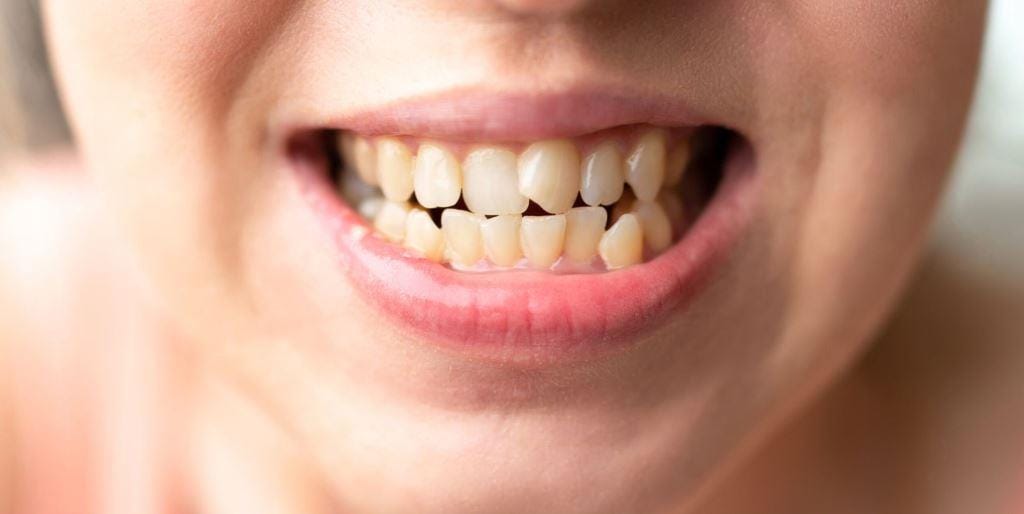
Malocclusion means that the teeth or jaws do not meet in their usual relationship. It can include crowding, prominent front teeth, a crossbite or an open bite. Children’s teeth and jaws change as they grow, so a difference you notice does not automatically need treatment straight away.
A dentist can check your child’s development and refer them for an orthodontic opinion where appropriate. Mention difficulty biting or chewing, a noticeable change in the bite, previous dental injuries or anything your child finds uncomfortable.
What can affect a child’s bite?
Inherited tooth and jaw size can play a part. The timing of tooth loss and eruption, some habits and previous injuries may also matter. Often there is more than one factor, and blaming a child or parent does not help treatment.
Thumb sucking and dummy use can influence the position of teeth, particularly when the habit continues as a child grows. Its duration and intensity matter. Ask for gentle, age-appropriate ways to help your child stop rather than using punishment or frightening them about their appearance.
Persistent mouth breathing, nasal blockage or snoring should also be discussed with a GP. Dental and medical assessment may both be useful, but braces are not a general treatment for breathing problems. Do not stop or change prescribed asthma inhalers because of concerns about the palate or bite. Discuss medicines and any mouth symptoms with your child’s asthma team or pharmacist.
Does every child need braces?
No. Treatment depends on the type and severity of the problem, growth and how it affects your child. Crowding may make some surfaces harder to clean, but tooth decay or future tooth loss is not inevitable. Good daily care and regular dental visits remain important whether or not braces are needed.
There is no single age at which every child should start orthodontic treatment. Some problems benefit from an earlier assessment or intervention; others are treated when more adult teeth have come through. The orthodontist will explain whether to treat, monitor or wait.
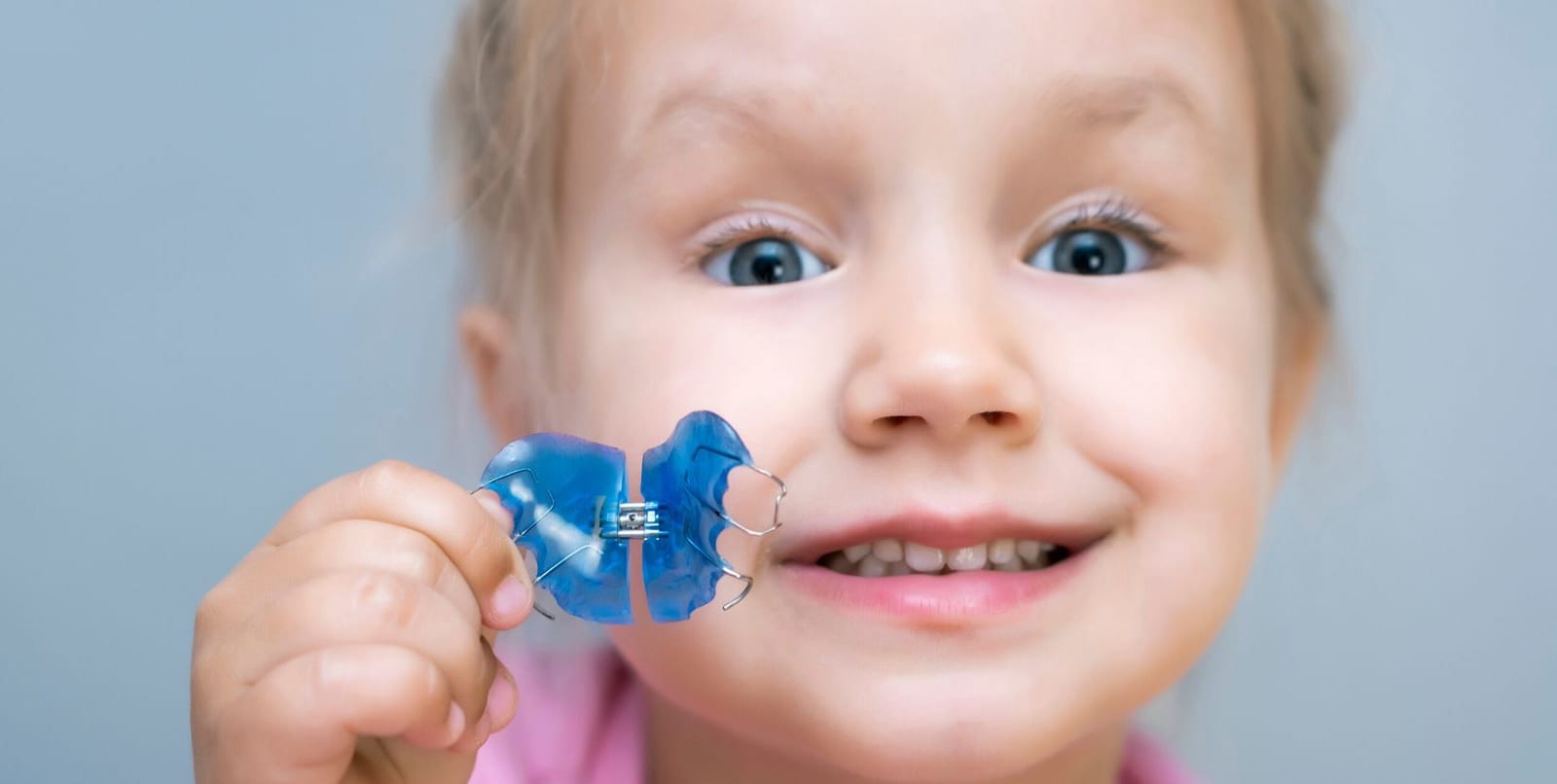
Depending on the findings, treatment may involve a removable, functional or fixed appliance. Children are not restricted to removable braces, and an appliance chosen for one child may not suit another. Retainers are usually needed after active treatment to help keep teeth in position. NHS orthodontic treatment for under-18s depends on eligibility and assessed need; ask your dentist about referral.
Private appliance fees
The following are listed appliance fees, not a quotation for a complete course of treatment:
- Removable appliance for a patient under 18, one arch: £400.
- Removable appliance for a patient under 18, two arches: £800.
- American Orthodontics standard metal fixed brace, per arch: £800.
- American Orthodontics standard ceramic fixed brace, per arch: £1,100.
- Damon self-ligating metal brace, per arch: £1,100.
- Damon self-ligating ceramic brace, per arch: £1,400.
An arch means the upper or lower row of teeth. Ask for a written plan setting out the total expected cost, including assessment, adjustment appointments, retainers and any additional treatment, and identifying what is included. See the orthodontic fee list for the current entries. Suitability comes before the choice of appliance or brand.
For an assessment, contact the practice. If you want to discuss payment options for your child’s treatment, ask the team which options are available; do not assume that every plan qualifies for finance.
Read the NHS guide to braces for more about assessment and treatment.