
Local anaesthetic at the dentist: what to expect
Originally published
Local anaesthetic numbs the area being treated while you stay awake. It helps control pain during dental procedures. If you are worried about injections or treatment, tell your dentist before you begin so you can discuss the options and agree a signal to pause.
Is it needed for every appointment?
An examination does not usually need an anaesthetic. Whether you need one for treatment depends on the procedure, the tooth and your individual needs. The depth of a cavity alone cannot guarantee that treating it will be painless.
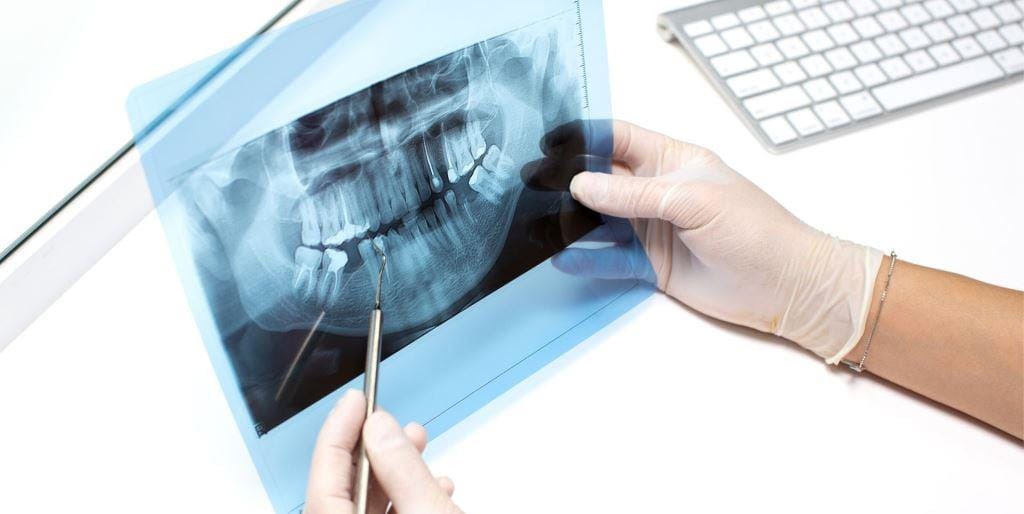
For procedures such as an extraction, your dentist will explain the pain-control plan before treatment starts. You can ask questions and discuss your preferences; you should not feel that you have to tolerate pain to complete an appointment.
How does it work?
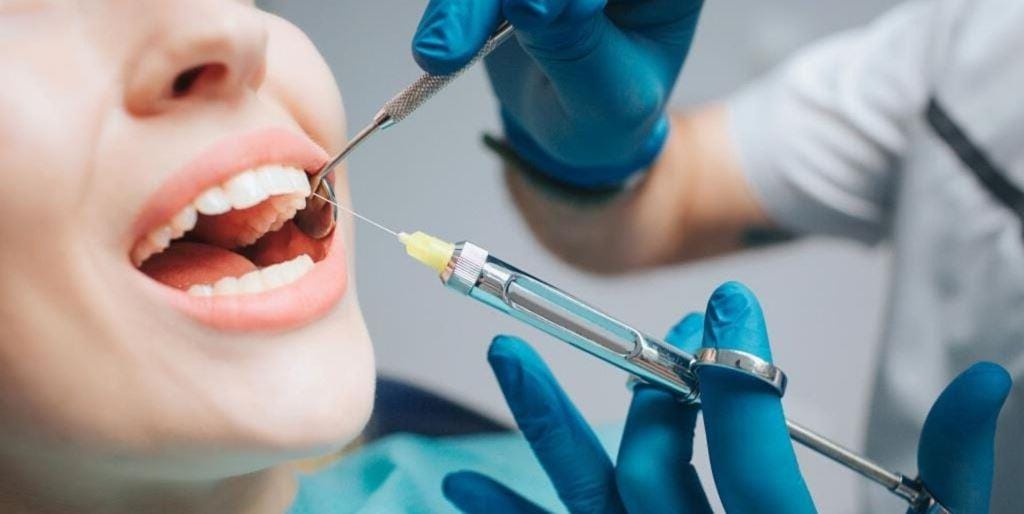
The medicine temporarily blocks pain signals from nerves in the area. Your dentist allows it time to work and checks that the area is numb before proceeding. You may still notice pressure or movement. Tell the dentist if you feel pain so they can stop and reassess.
The injection can briefly sting. Numbness wears off gradually, and the duration varies with the medicine and procedure. Your dentist can tell you how long to expect the numbness to last. The NHS explains local anaesthetic and its possible side effects.
What should I tell my dentist?
Give your dentist an up-to-date list of medicines and let them know about allergies, previous reactions to an injection, medical conditions and any pregnancy. Explain what happened during a previous reaction rather than assuming it was an allergy. This helps the team choose an appropriate medicine and approach.
Local anaesthetic and sedation are different. Sedation may help with anxiety, but does not automatically replace the need to numb the treatment area. If anxiety makes treatment difficult, ask what support is suitable and available; sedation may require a separate assessment or referral.
What should I do while my mouth is numb?
Take care not to bite your lip, cheek or tongue, and avoid hot food and drinks until normal sensation returns. Follow the aftercare instructions for your particular procedure. If pain relief is needed, ask which medicine is suitable for you rather than taking it automatically before every anaesthetic wears off.
If numbness or another side effect lasts longer than you were told to expect, or worries you, contact the dental team. NHS 111 can advise if you cannot get help from them.

What does local anaesthetic cost at Medical-Dent?
The current fee listing for standard local anaesthetic is: Included. The listed fee for computerised local anaesthetic using SleeperOne is £20. You can check both on our dentistry fees page.
Computer-controlled delivery is an option to discuss with your dentist, not a promise of a painless injection. The team will explain suitability and charges before treatment. To talk through a concern or arrange an appointment, contact Medical-Dent.