
Implant-supported bridges: treatment, costs and long-term care
Originally published
An implant-supported bridge can replace several missing teeth using implants placed in the jawbone as supports. It is one option to consider alongside tooth-supported bridges, removable dentures and, in some circumstances, leaving a space under review.
The right choice depends on the teeth missing, your bite, bone and gum health, medical history and preferences. Not every gap requires an implant, and teeth that can be predictably restored should be assessed before removal is considered.
How does it differ from a bridge on natural teeth?
A conventional bridge is supported by neighbouring teeth, which usually need preparation for crowns. Some gaps can instead be treated with an adhesive bridge that involves little or no tooth reduction. These options have different benefits and limitations.
An implant-supported bridge uses implants rather than neighbouring teeth for support. This can avoid preparing those teeth, but it involves surgery and its own risks. The number and position of implants are planned for the span and loads involved; a bridge is not always supported by exactly two implants.
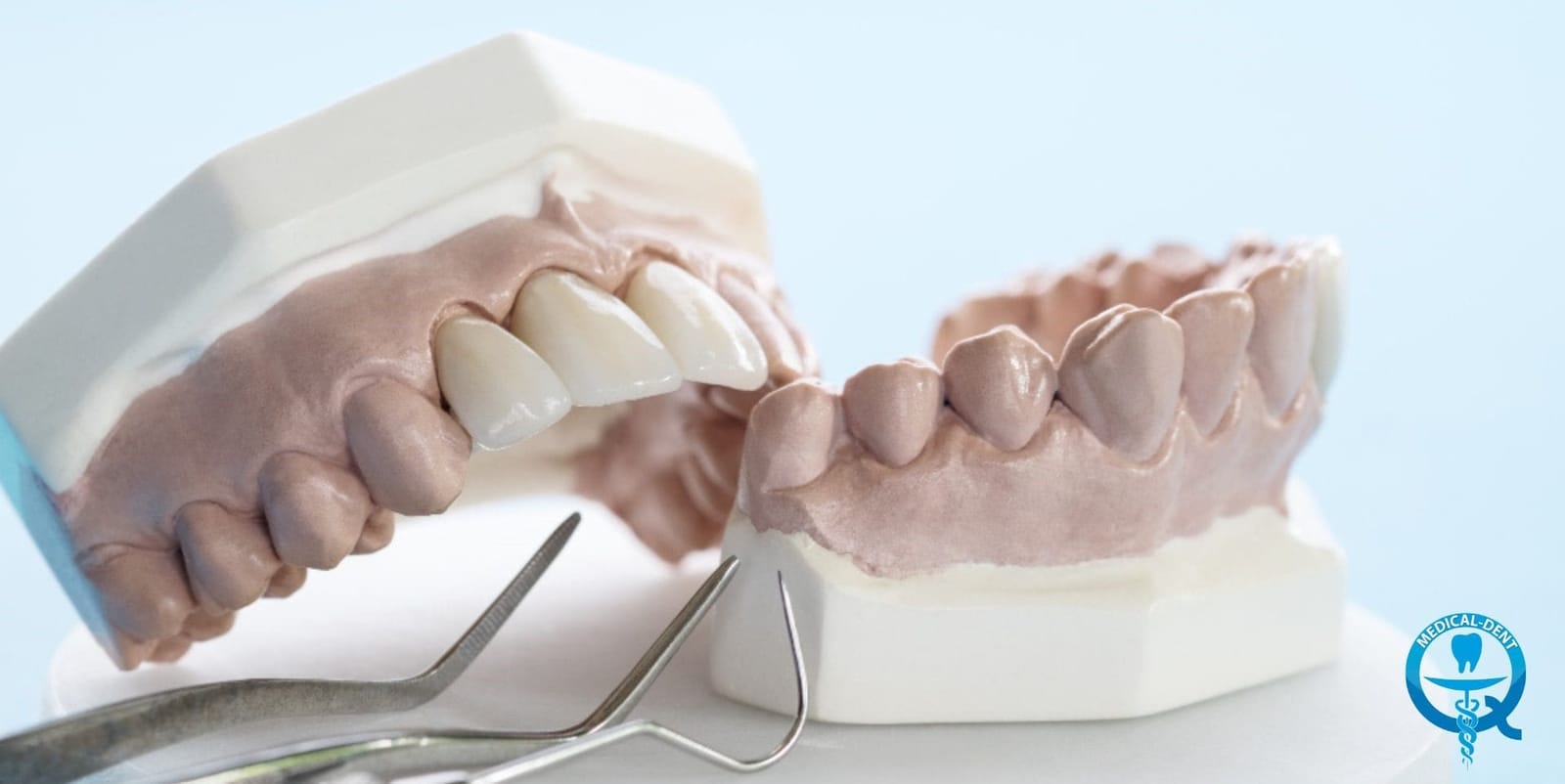
If you currently wear a partial denture, a fixed bridge may be worth discussing. It will not be suitable for everyone, and the ability to clean underneath it is an important part of the decision.
Planning and treatment
The first stage is an assessment, including appropriate imaging and a discussion of alternatives. Existing gum disease or decay may need treatment first. If there is insufficient bone, additional procedures such as grafting may be considered, which can affect the cost and timetable.
Implants are placed surgically, usually with local anaesthetic. Afterwards, the bone needs time to heal around them. This often takes several months, but timing depends on the individual situation and any additional treatment. Ask what temporary replacement, if any, you will have while healing.
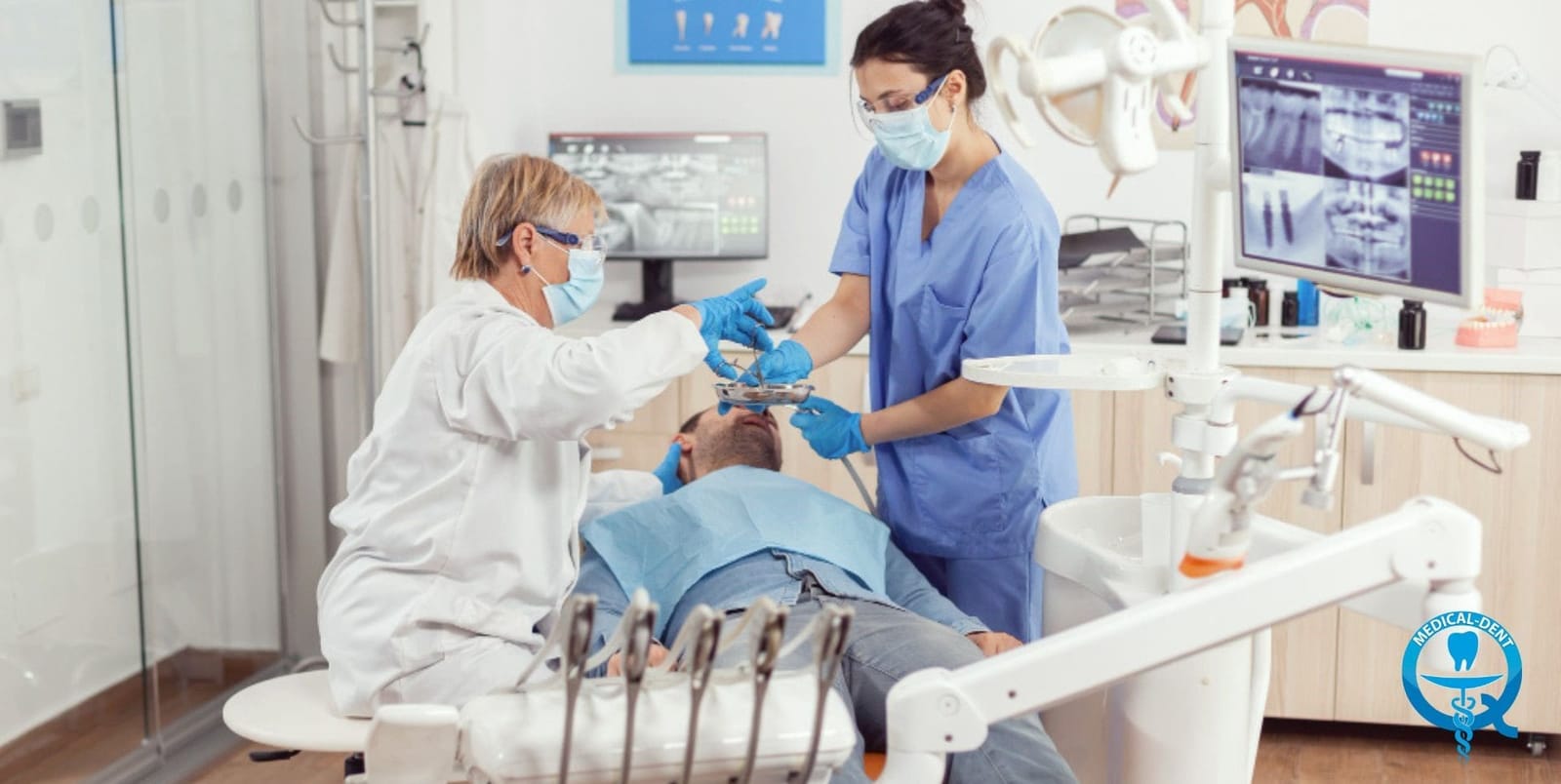
The bridge is made after the team has assessed the implants and planned the restorative stage. Scans or impressions record the positions, and the bite and fit are checked. The bridge may be retained with screws or cement, depending on its design. Further appointments may be needed for adjustments and reviews.
What are the risks and maintenance needs?
Implants can fail to join with the bone, and surgery may involve pain, swelling, infection or damage to nearby structures. Your dentist will explain the risks relevant to the proposed sites and your health.
Later, inflammation around an implant can affect its supporting bone. Bridge materials may chip or wear, and components can loosen or need replacement. Good daily cleaning and professional maintenance reduce risk but do not provide a lifetime guarantee.
Ask the team to show you how to clean under the bridge and around each implant. Attend the recommended reviews, and report new bleeding, discomfort or movement. Smoking and some health conditions can affect outcomes, so discuss these during planning.

What does an implant-supported bridge cost?
The total depends on the number of implants, bridge design and material, investigations and any preparatory treatment. See our current implant fees for listed procedures. The price of an implant alone is not the price of a complete bridge.
Ask for a written plan that identifies implant placement, abutments, the bridge, temporary teeth, any grafting and follow-up costs. Abutments are not included in the listed implant or crown price. The bridge itself is quoted individually, and future repairs or maintenance may add costs.
If you are considering instalments, read our current finance information. Finance is subject to eligibility, status and affordability checks, and the interest and repayment terms depend on the agreement. To discuss your options and obtain an individual plan, contact our team.