Impacted teeth: assessment, removal and costs
Originally published
An impacted tooth has not come through into its expected position. It may remain beneath the gum or bone, or be partly visible. Wisdom teeth are commonly affected, but other teeth, including canines, can also become impacted.
An impacted tooth does not always need removing. The decision depends on its position, symptoms, the risk to neighbouring teeth and whether it can be brought into the right place.
How is an impacted tooth assessed?
A dentist examines your mouth and uses imaging when needed to check the tooth and surrounding structures. A missing adult tooth, a baby tooth that remains longer than expected, pain or repeated swelling can prompt an assessment. Lack of pain does not tell the whole story.
For wisdom teeth, removal is generally considered when there is disease or a clear problem, such as repeated infection, decay or damage to an adjacent tooth. Healthy impacted wisdom teeth are not routinely removed simply to prevent future crowding.
For an impacted canine or another tooth important to the bite, orthodontic treatment may be possible. Options can include creating space, removing an obstruction or surgically exposing the tooth so that braces can guide it into position. This can take many months and is not suitable for every tooth. Monitoring or removal may be more appropriate in some cases.
What happens during removal?
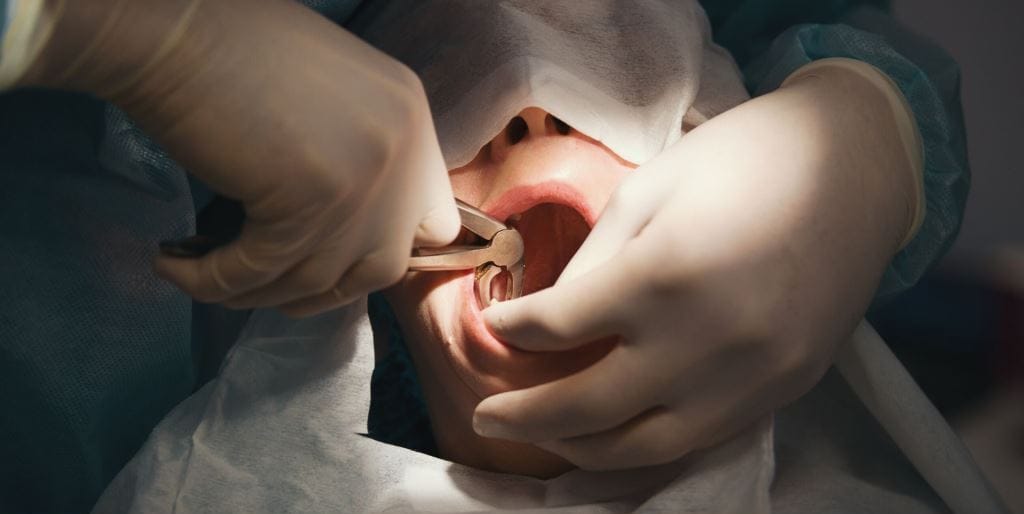
Your clinician should explain the proposed treatment, alternatives and risks before you decide. Local anaesthetic is commonly used. You may feel pressure or movement; if you feel pain, tell the clinician so they can respond. Sedation or general anaesthesia may be considered in selected cases and requires suitable arrangements, sometimes at a hospital.
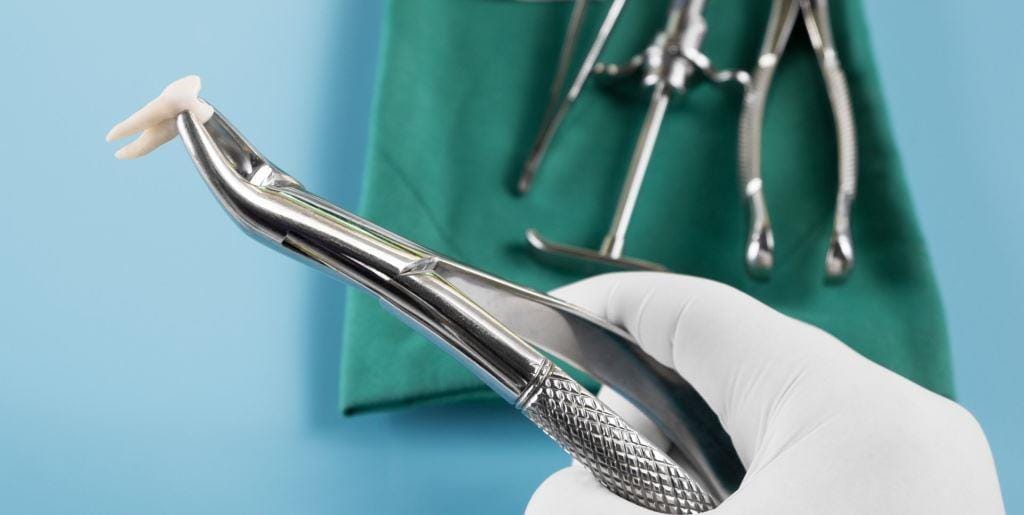
Surgical removal may involve opening the gum, removing some surrounding bone or dividing the tooth into sections. Stitches may be needed afterwards. The complexity depends on the position and shape of the tooth, not just whether it is visible.
Possible complications include bleeding, infection and dry socket. Depending on the tooth’s location, there may also be a risk of nerve injury or a connection with the sinus. Ask which risks apply to your tooth and whether specialist assessment is needed.
Recovery and follow-up
Follow the written instructions provided after surgery. Protect the clot: do not rinse, spit forcefully or disturb the socket during the first 24 hours. Choose soft food and avoid hot food or drinks while your mouth is numb. From the next day, clean carefully and use gentle salt-water rinses if advised.
Avoid smoking and follow advice about exercise and pain relief. Some discomfort and swelling are expected, but worsening pain, fever, increasing swelling or bleeding that does not settle with firm pressure needs dental advice. Contact an urgent dentist or NHS 111 if you cannot reach your usual service. Difficulty breathing or swallowing requires emergency help.
Healing varies, and the socket may take several weeks to close. Arrange follow-up as advised. If you are considering treatment away from home, include access to aftercare and extra visits in your plans, as well as the initial fee and travel costs.
Cost of impacted tooth removal
Our listed surgical extraction of an impacted tooth is from £250, including sutures. See the oral surgery fees and obtain an individual estimate after assessment. Ask whether imaging or any other proposed care is included.
Finance may be available subject to status, affordability and terms. Medical-Dent acts as a credit broker, not a lender; see the current finance information.
Contact us to discuss a tooth that has not come through or a referral for further assessment.