
How to clean dentures safely
Originally published
Dentures need daily cleaning, but the products used for natural teeth are not always suitable for them. The right routine depends on the denture’s material, including any metal parts or soft lining.
Ask your dental team how to clean and store your particular denture. Good care helps keep it comfortable and hygienic, but cannot guarantee that it will never wear out or need adjustment.
Brushing the denture
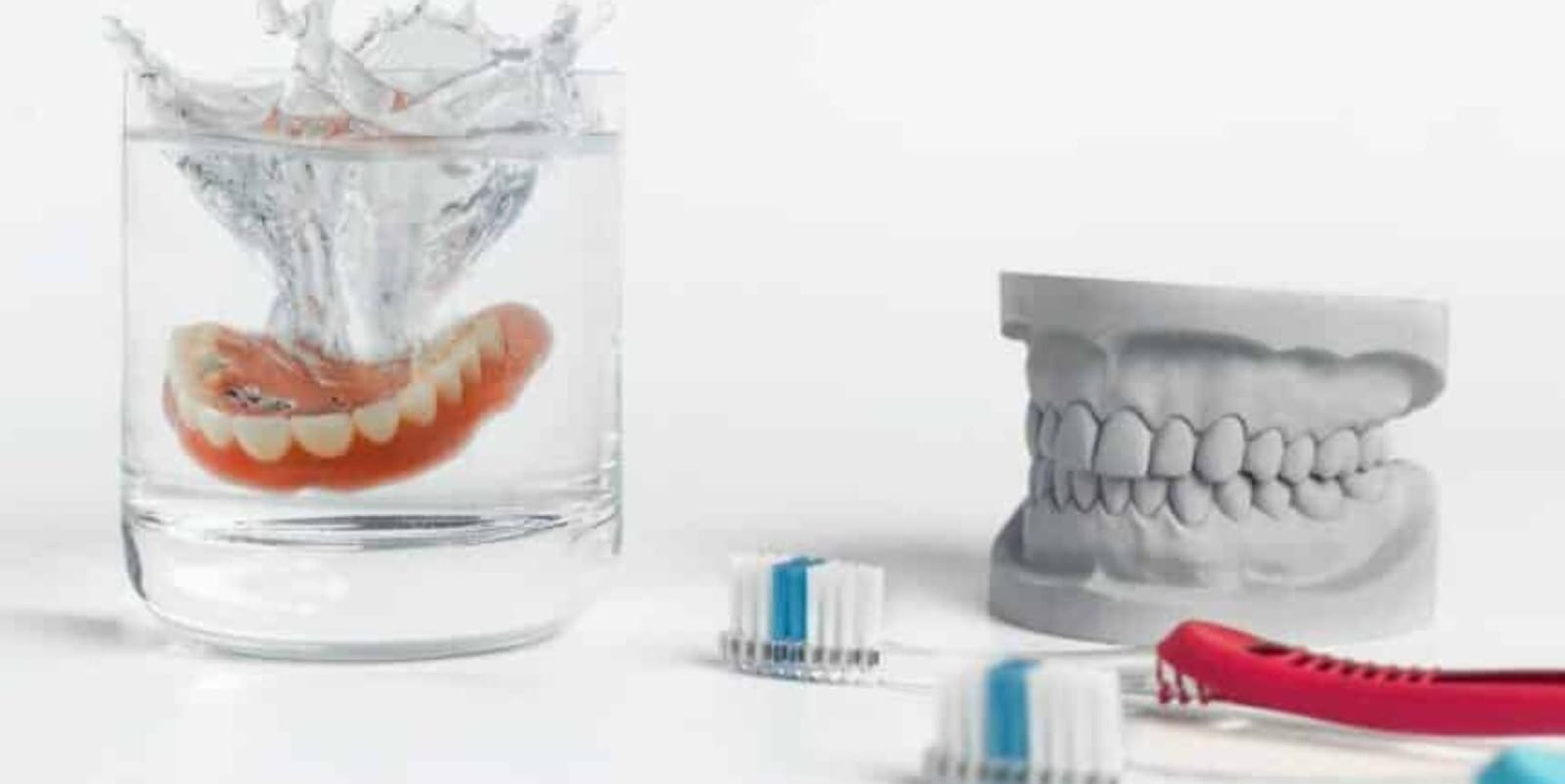
Take removable dentures out to clean them. Use a soft brush or a suitable denture brush and gently clean every surface, including the side that rests against the gums. Brush morning and evening, and rinse away loose food after meals.
Clean over a towel or a sink containing water so the denture is less likely to break if dropped. Hold it carefully without bending clasps. Ask about help or an adapted routine if grip or hand movement makes this difficult.
Which cleaning product should you use?
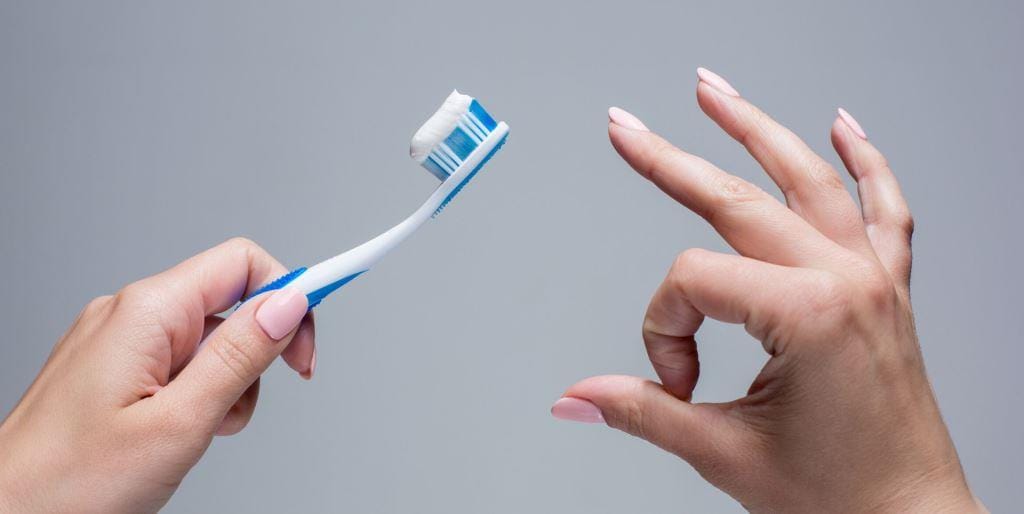
Ordinary toothpaste can scratch denture surfaces. A denture-compatible, non-abrasive cleanser or mild soap may be suitable, following your dentist’s advice. A product advertised for both dentures and teeth still needs to be appropriate for the denture material; the label is not a reason to ignore the care instructions.
Cleaning tablets or solutions can help control deposits, but soaking alone should not be assumed to replace brushing. Follow the specified dilution, water temperature and soaking time, then rinse thoroughly before putting the denture back in your mouth. Do not use denture cleaner as a mouthwash or swallow it.
Avoid hot or boiling water, which can distort the denture. Do not improvise with household bleach or mix cleaning chemicals. Some products can damage metal components or soft linings, so check compatibility before use.
Are ultrasonic cleaning devices necessary?
A device may be an additional cleaning aid, but it is not essential for everyone. Ask whether it is suitable for your denture and which solution can be used in it. The manufacturer’s instructions matter for both the appliance and the cleaner.
Do not assume a few minutes in a machine will remove all tartar, stains or microorganisms. Persistent deposits may need professional cleaning. There is no need to buy an expensive device simply to be reassured that your daily routine is effective.
Overnight storage and mouth care
Usually, remove dentures at night to give your mouth a rest, unless your dentist gives different instructions, for example immediately after extractions. Store them safely in a clean container using the method advised for the material. Water can be appropriate; a blanket instruction never to use water is incorrect. A cleaning solution is not automatically suitable for overnight soaking unless its instructions say so.
Clean any remaining natural teeth with fluoride toothpaste and clean between them. Gently clean your gums and tongue too. Removing and cleaning the denture does not replace care of the mouth underneath it.
When to seek help
Contact the dental team if the denture becomes loose, rubs, causes persistent soreness or develops cracks. Redness, bleeding or persistent bad breath also need assessment rather than progressively stronger cleaning products. Do not file the denture or repair it with household glue.
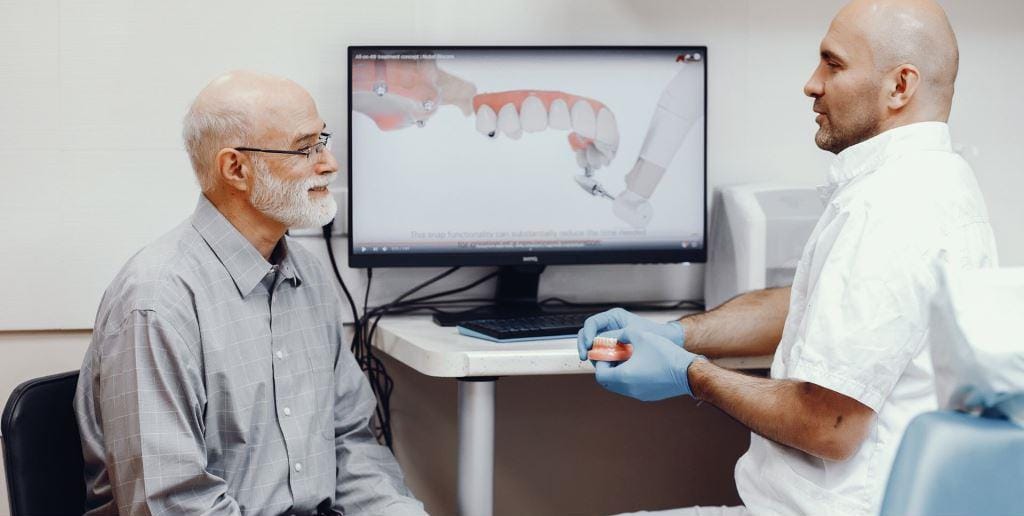
Keep dental reviews even if you have no natural teeth. The dentist can check the tissues, fit and condition of the denture, and explain whether adjustments or replacement are needed.
Contact us for advice or an assessment. If you are considering a new denture, ask for a written plan and estimate. Compare the full costs of treatment and follow-up, including travel if relevant, rather than assuming one country is always cheaper. Any instalment arrangement is subject to the current finance terms, including eligibility and the total repayable.