Teeth whitening at home with custom trays
Originally published
Home whitening with custom trays lets you carry out treatment at home under a dentist’s supervision. The trays hold a prescribed whitening gel against your teeth. Before starting, you need an examination and clear instructions for the particular product you will use.
Teeth naturally vary in colour, and a lighter shade is a personal preference rather than a measure of health. If one tooth has become darker, especially after an injury, have it checked before trying to whiten it. The cause can affect the treatment needed.
What happens before treatment?
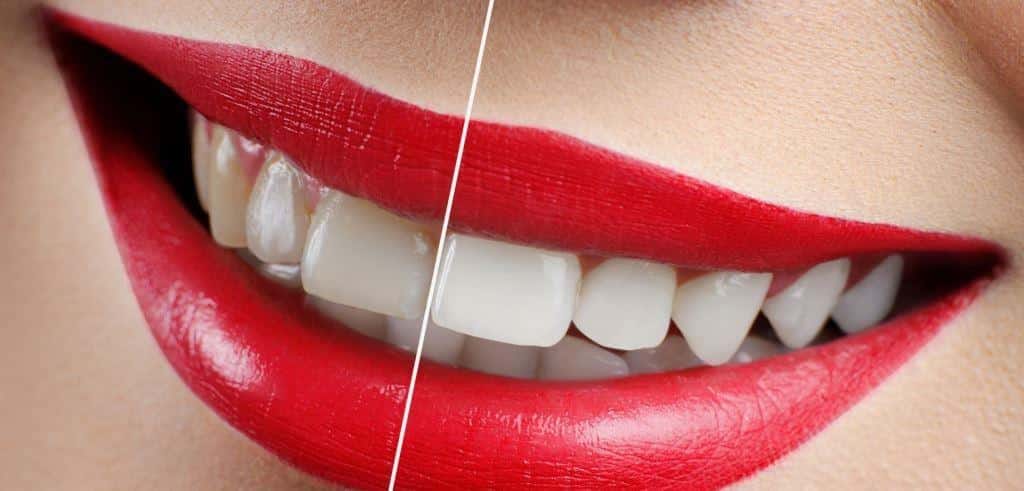
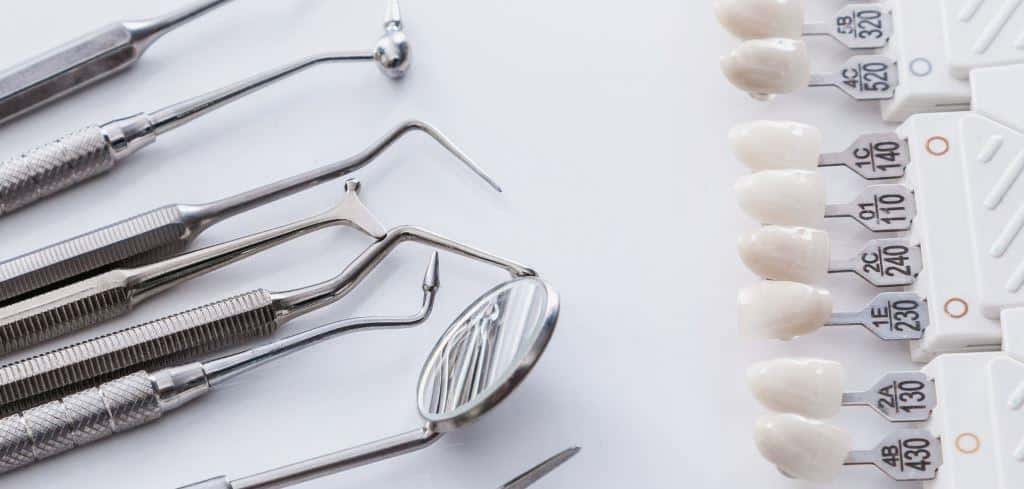
Your dentist checks your teeth and gums, discusses your expectations and records the starting shade. Decay or gum problems may need treatment first. Cleaning may help remove surface staining, but it does not produce the same colour change as bleaching.
Existing crowns, veneers and fillings will not whiten with your natural teeth. If these are visible when you smile, ask how a change in tooth colour could affect the match. Replacing a sound restoration simply for its colour is a separate decision, with additional cost and treatment involved.
Whitening is generally unsuitable during pregnancy or breastfeeding and is not routinely provided for under-18s. Your dentist will explain whether it is appropriate for you. See the NHS guide to teeth whitening.
Using the trays and gel
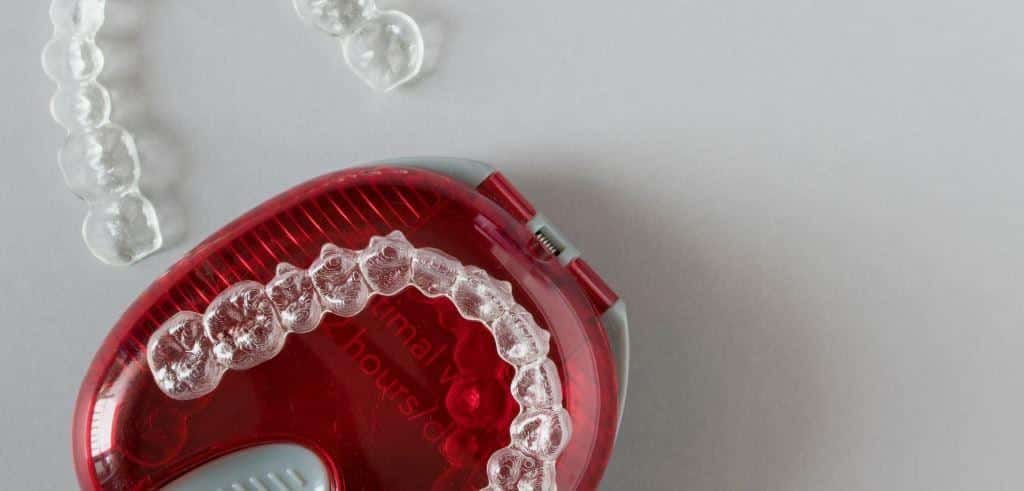
The dentist takes an impression or scan to make trays that fit your teeth, then checks the fit and shows you how much gel to use. Some gels contain carbamide peroxide, which releases hydrogen peroxide. It is not the same as applying a household peroxide product.
Follow your written instructions for wearing time, cleaning, gel storage and review appointments. Products have different schedules: there is no single five-hour limit or overnight routine that suits every kit. Do not add extra gel or extend the wearing time to speed things up. Keep the gel away from children.
If the tray rubs, the gel irritates your gums or sensitivity becomes troublesome, stop and contact the dental team. They can check the fit and adjust the plan. Do not improvise a gum barrier with petroleum jelly or another product unless your dentist has specifically instructed you to use it.
Results, sensitivity and maintenance
The change develops over a course of treatment and varies between people. Temporary sensitivity and gum irritation can occur; whitening is not a promise of a completely symptom-free experience. A review helps you decide when to finish rather than continuing until the gel runs out.
Enlighten is a separate whitening system whose manufacturer offers a B1 shade guarantee and says a white diet is unnecessary. Ask about the conditions of that guarantee and the protocol for your treatment. B1 is a shade reference, not a promise that teeth will stay that colour for life. Instructions for one system should not be applied to another.
Colour can change again over time. Discuss any further whitening with your dentist, particularly if you have developed sensitivity or had new dental work. More treatment is not always the right response to a darker tooth.

How much does home whitening cost?
Our listed fee for the home whitening kit is £300. Ask what the kit includes, how reviews are arranged and whether any treatment needed beforehand is charged separately. This is not the price of the Enlighten system.
A consultation is a chance to compare suitable options and decide whether you want treatment at all. You can also read Leeds Teaching Hospitals’ explanation of tooth whitening.