
Having veneers fitted: what to expect
Originally published
Veneers cover the front surface of teeth to change their appearance. They may help with selected chips, discolouration or uneven shapes, but the right approach depends on the health of your teeth and gums and how your teeth meet.
Before committing to treatment, explain what you would like to change. Sometimes whitening, a small repair or orthodontic treatment is more suitable. You can also decide to leave healthy teeth as they are.
Assessment and planning
The dentist checks for decay, gum disease and problems with your bite. These need attention before cosmetic treatment. Grinding or clenching can affect the choice of restoration and the risk of damage.
Veneers can disguise some minor irregularities, but they do not move tooth roots or correct a significant bite problem. If tooth position is the main concern, discuss orthodontic options before covering the teeth.
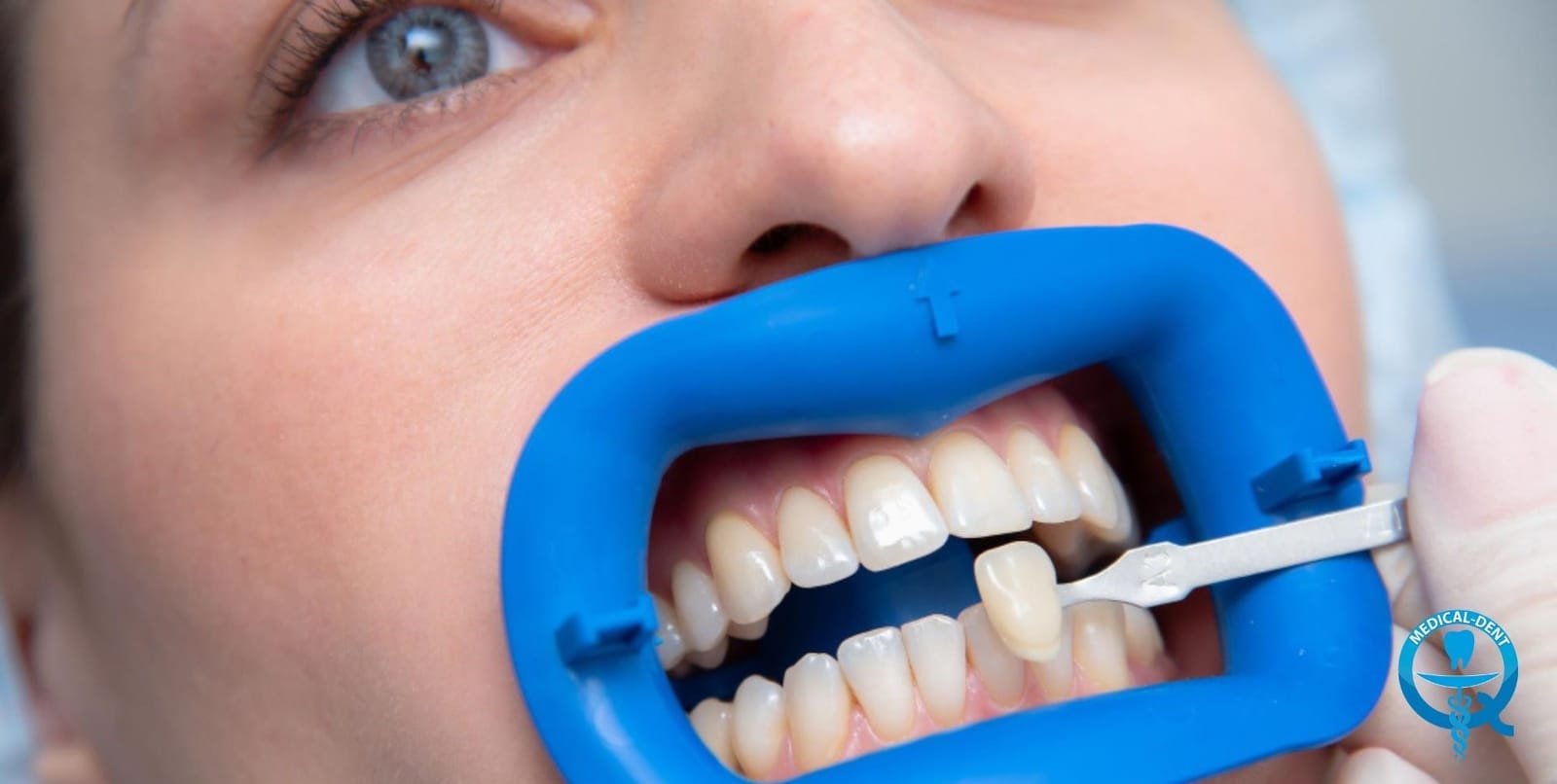
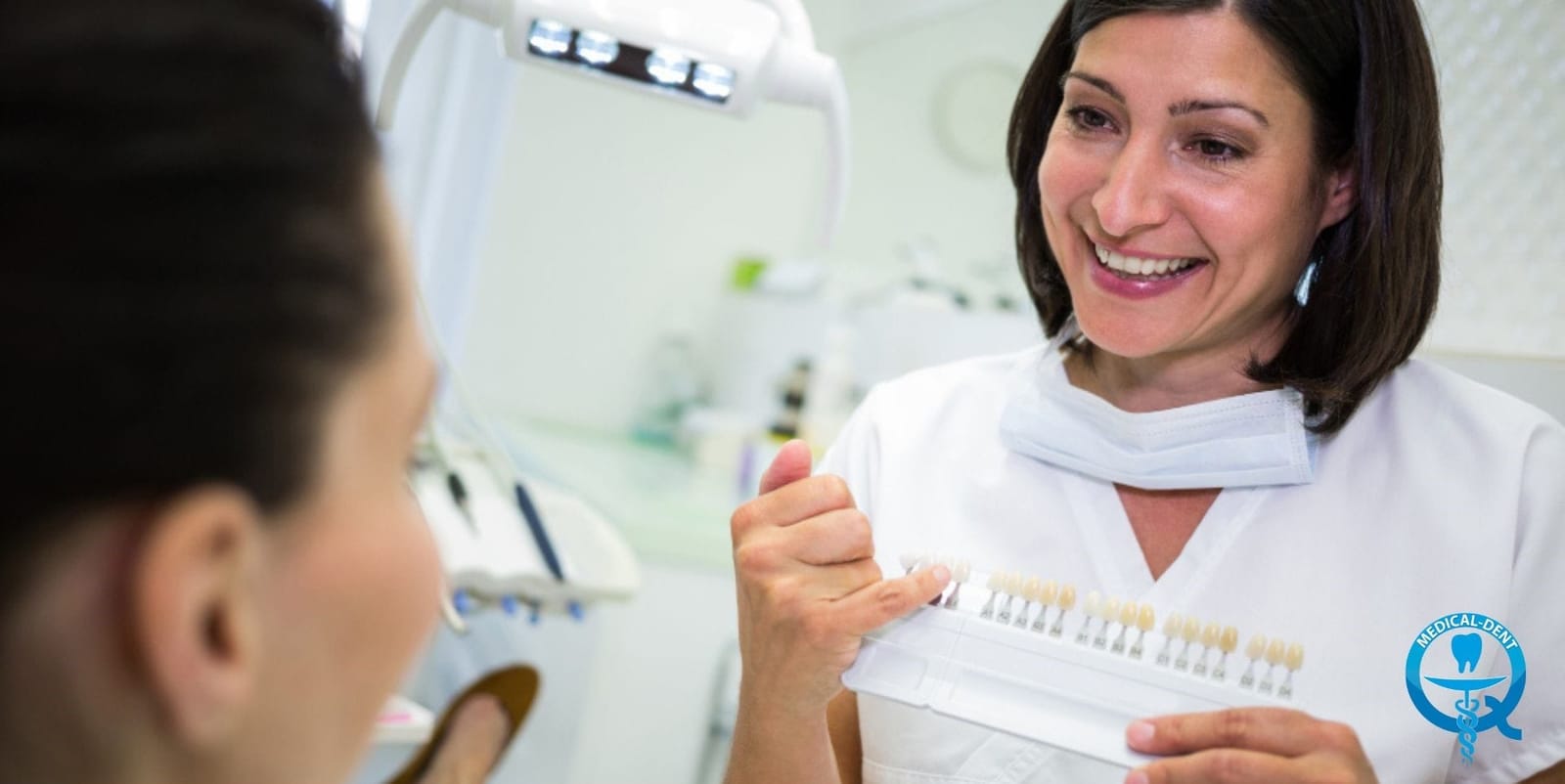
Ask to see the proposed shape and shade and discuss how much tooth tissue would be removed. A preview can help you discuss expectations; it does not guarantee the final result. There is no standard number of veneers everyone should have. One tooth may need attention, several may be involved, or veneers may not be appropriate.
Composite and porcelain follow different processes
With direct composite veneers, the dentist bonds tooth-coloured resin to the teeth, shapes it, hardens it with a light and polishes it. This can sometimes be completed in one appointment, although assessment and any treatment needed beforehand are separate. Composite can often be repaired if it chips, but may need polishing or repair as it wears or stains.
Porcelain veneers are made separately to fit the prepared teeth. The dentist records their shape with an impression or digital scan, and checks the veneers before bonding them in place. Depending on the method and preparation, you may need temporary coverings and more than one visit. Ask about the process proposed for your own treatment.
Porcelain generally resists staining better than composite, but either material can be damaged. Appearance depends on the planning, material, tooth underneath and workmanship, rather than the name of the material alone.
How much preparation is needed?
Some treatments require enamel to be removed to make room for the veneer. That change is permanent: enamel does not grow back. Your tooth may then need a restoration and its maintenance in the future.
Minimal-preparation or no-preparation veneers suit only selected teeth. They are not simply “unpolished” veneers, and the label does not guarantee that the treatment can be reversed without affecting the tooth. Ask what will be changed and what would happen if a veneer later needed replacing.
After fitting and longer-term care
Tell the dentist if your bite feels uneven or a veneer feels loose. Some sensitivity can occur, but persistent or worsening pain needs review. Veneers can chip, loosen or need replacement; they are not guaranteed to last a set number of years.
Brush twice daily with fluoride toothpaste, clean between the teeth and keep the review appointments recommended for you. The tooth around a veneer can still develop decay, and the gums still need care. Avoid using teeth to open packets or bite hard objects. If you grind your teeth, discuss whether a protective appliance is appropriate.

Fees and payment options
See our prosthodontic fees for current listed treatments and request a written estimate. It should explain the material, number of teeth, preparation, any preliminary treatment and arrangements for future repairs. A general price range cannot establish what your treatment will cost.
If you are considering finance, check the current payment-plan information, including eligibility and the total amount repayable. A monthly payment example is not a quote for your treatment. Contact us to arrange an assessment.