Gum recession: causes, symptoms and treatment
Originally published
Gum recession means the edge of the gum has moved away from its previous position, exposing more of the tooth’s root. A tooth may look longer or become sensitive, although recession can also occur without pain.
An examination can establish whether the change is stable, progressing or associated with gum disease. Sensitivity and bleeding have other possible causes too, so appearance or symptoms alone are not a diagnosis.
Why do gums recede?
Several factors may contribute, including naturally thin gum tissue, the position of a tooth in the bone, brushing too forcefully and periodontal disease. The way nearby tissues attach can also matter. Your dentist will check for local factors such as a restoration that makes cleaning difficult.
Recession is not automatically the most advanced stage of gum disease. It can occur around a tooth without active periodontitis, while periodontitis involves loss of the tissues supporting teeth. Distinguishing these situations helps avoid unnecessary or unsuitable treatment.
What symptoms need a check?
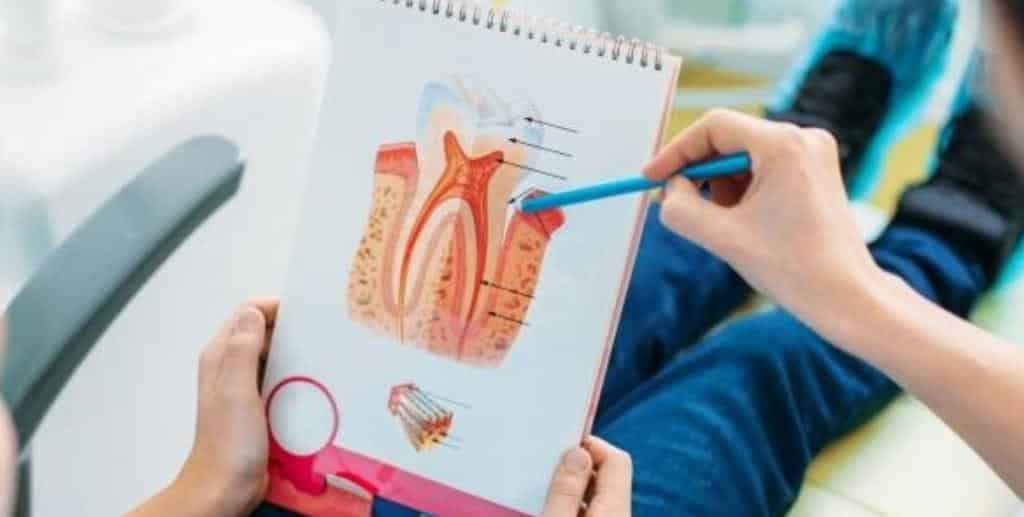
You may notice an exposed root, a change in the gum line or sensitivity to cold, touch or brushing. Exposed root surfaces can be more vulnerable to decay and wear. Bleeding, persistent bad breath or loose teeth need assessment for gum disease or another cause.
Recession does not inevitably lead to tooth loss. Loss of supporting bone from periodontitis is a separate concern that needs treatment and ongoing care. A dentist can measure the gums and decide whether imaging is needed.
If you are thinking about whitening, discuss exposed roots and sensitivity first. Recession is not a blanket ban on every whitening treatment, but the dentist may recommend managing existing problems before deciding whether whitening is suitable.

What can non-surgical care achieve?
The first step is to address contributing factors. Your dental team can show you how to clean effectively without scrubbing the gum and help choose a suitable brush. Brush twice daily with fluoride toothpaste and clean between the teeth using the recommended method.
Professional removal of deposits is useful when needed, particularly when gum disease is present. The interval depends on your condition and risk; everyone does not need the same treatment every six months.
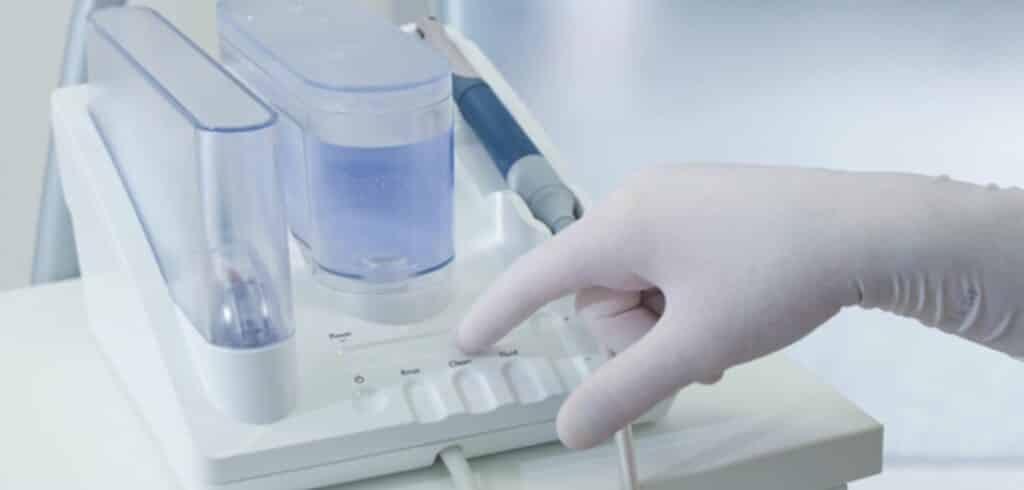
Cleaning under the gums can help control periodontal inflammation, but it does not reliably grow a receded gum back over the root. Our practice uses Vector Paro Pro as one tool for periodontal cleaning. It is not a gum graft, cannot make the mouth permanently free of bacteria and does not guarantee reversal of recession.
For sensitivity, the dentist may suggest a desensitising toothpaste, fluoride treatment or protection of an exposed area with a restoration where appropriate. These approaches manage the problem without necessarily moving the gum line.
When might a gum graft help?
A gum graft may be considered to thicken tissue, cover an exposed root or reduce the risk of further recession in a suitable case. Tissue is often taken from another site in the mouth, such as the palate. The precise technique depends on the defect and surrounding tissues.
Surgery is not needed for every area of recession, and complete root coverage is not guaranteed. Risks include bleeding, infection, discomfort, changes in appearance and the need for further treatment. The CUH guide to gum grafting describes the procedure and its possible benefits and risks.
Regenerative periodontal procedures address selected defects; they are not a universal replacement for recession treatment. Active gum disease and cleaning difficulties need attention as part of the plan.
Ask your dentist what the proposed treatment aims to achieve: controlling disease, reducing sensitivity, protecting the root or changing the gum’s position. Contact the practice if you have noticed a change in your gum line or would like advice.