How is gum disease treated?
Originally published
Bleeding, swollen or sore gums deserve attention. Gum disease may cause little pain at first, so waiting for a tooth to hurt can delay treatment. A dental assessment can establish what is happening and which care you need.
Treatment depends on the diagnosis and how much support the teeth have lost. It usually combines professional care with a daily cleaning routine that you can maintain at home.
Gingivitis and periodontitis
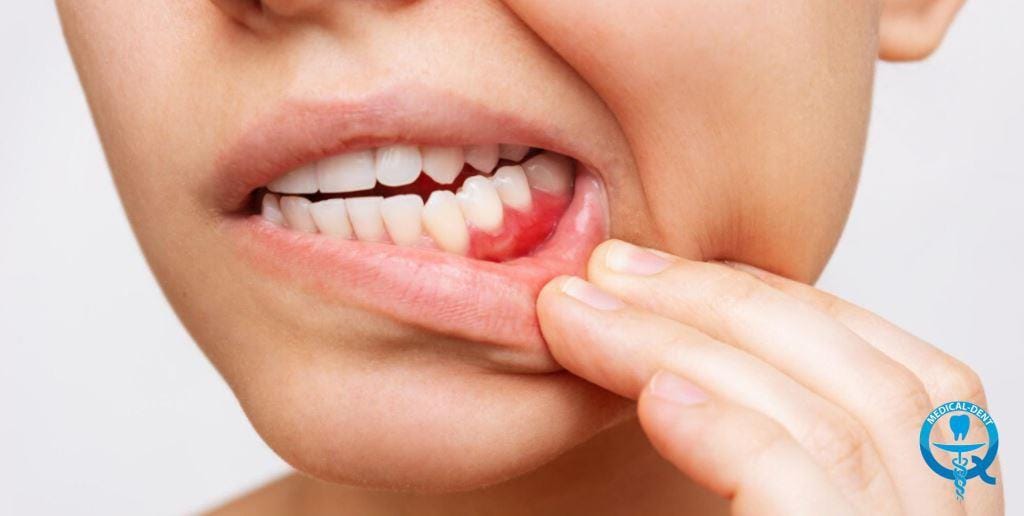
Gingivitis is inflammation of the gums, commonly related to plaque around the teeth. It can usually improve with effective plaque removal and appropriate professional care.
Periodontitis affects the tissues that support the teeth, including the supporting bone. It can lead to pockets around the teeth, recession and, in advanced cases, loose teeth. Gingivitis and periodontitis are related, but they are not interchangeable diagnoses.
Plaque is central to these common forms of gum disease, but susceptibility varies. Smoking and diabetes can increase the risk and affect treatment. Having gum disease should not be treated as a judgement about someone’s effort or character.
Symptoms and assessment
Arrange a dental appointment if your gums bleed repeatedly, look swollen or are sore, or if you notice persistent bad breath, recession or a change in how your teeth fit together. Loose teeth or very painful, swollen gums need prompt dental advice. If urgent care is unavailable, NHS 111 can help you find it.
Your dentist will check your gums, measure the spaces around the teeth and assess their support. X-rays may be needed to look at the bone. They will also ask about your health, medicines and smoking, because these can affect the treatment plan.
Early assessment gives you a chance to address inflammation before further damage occurs. It does not mean that every case will resolve quickly or that every bleeding gum will inevitably lead to tooth loss.

Cleaning and treatment below the gum line
Your dental team will show you how to remove plaque effectively, including between the teeth. Professional cleaning removes deposits that you cannot remove yourself. The frequency should be based on your gum health and response to treatment, rather than a fixed six-month rule for everyone.
Where periodontitis is present, treatment may include cleaning below the gum line using hand or powered instruments. You may hear this called subgingival instrumentation or root surface debridement. Local anaesthetic can be used when needed to make treatment more comfortable.
Our practice uses Vector Paro Pro, an ultrasonic system used in periodontal care. It is one tool within a treatment plan: the equipment alone does not guarantee a cure, a painless procedure or a better result for every patient. Ongoing cleaning and review remain important.
Your dentist will reassess the gums after treatment. Antibiotics are not a routine part of treating periodontitis and do not replace cleaning. They may be considered in selected circumstances, sometimes with specialist advice. Mouthwashes or gels may also be recommended for a particular reason and duration; they are not a substitute for brushing and cleaning between teeth.
When further treatment is needed
Persistent deep pockets or more complex disease may need specialist assessment. Some people benefit from gum surgery; regenerative procedures or grafts are suitable only for selected defects. Treatment cannot promise to restore all lost bone or save every affected tooth.
Periodontitis needs long-term management. The aim is to control inflammation, reduce the risk of further damage and maintain the teeth where possible. Your plan should include follow-up assessments and supportive care, even when the gums feel better.

Looking after your gums each day
Brush twice daily with fluoride toothpaste, spit out afterwards and avoid rinsing straight away. Clean between your teeth every day, using interdental brushes or floss as advised for the spaces in your mouth. Ask the team to demonstrate the technique if you are unsure.
If you smoke, support to stop can help your gum health and treatment response. If you have diabetes, keep working with your medical team on its management and tell your dentist about it. Continue prescribed medicines unless your prescriber advises otherwise.
Contact the practice if you have symptoms or would like your gum health assessed.