
Flexible dentures in the UK: suitability, care and costs
Originally published
Flexible dentures are removable replacements for missing teeth, made using materials that can flex. Their appearance and feel appeal to some patients, but flexibility alone does not make a denture the best choice for every mouth.
Before deciding, discuss the fit, support, cleaning requirements and likely maintenance with your dentist. A useful comparison includes acrylic and metal-framed dentures, as well as fixed options where appropriate.
Who might benefit from a flexible denture?
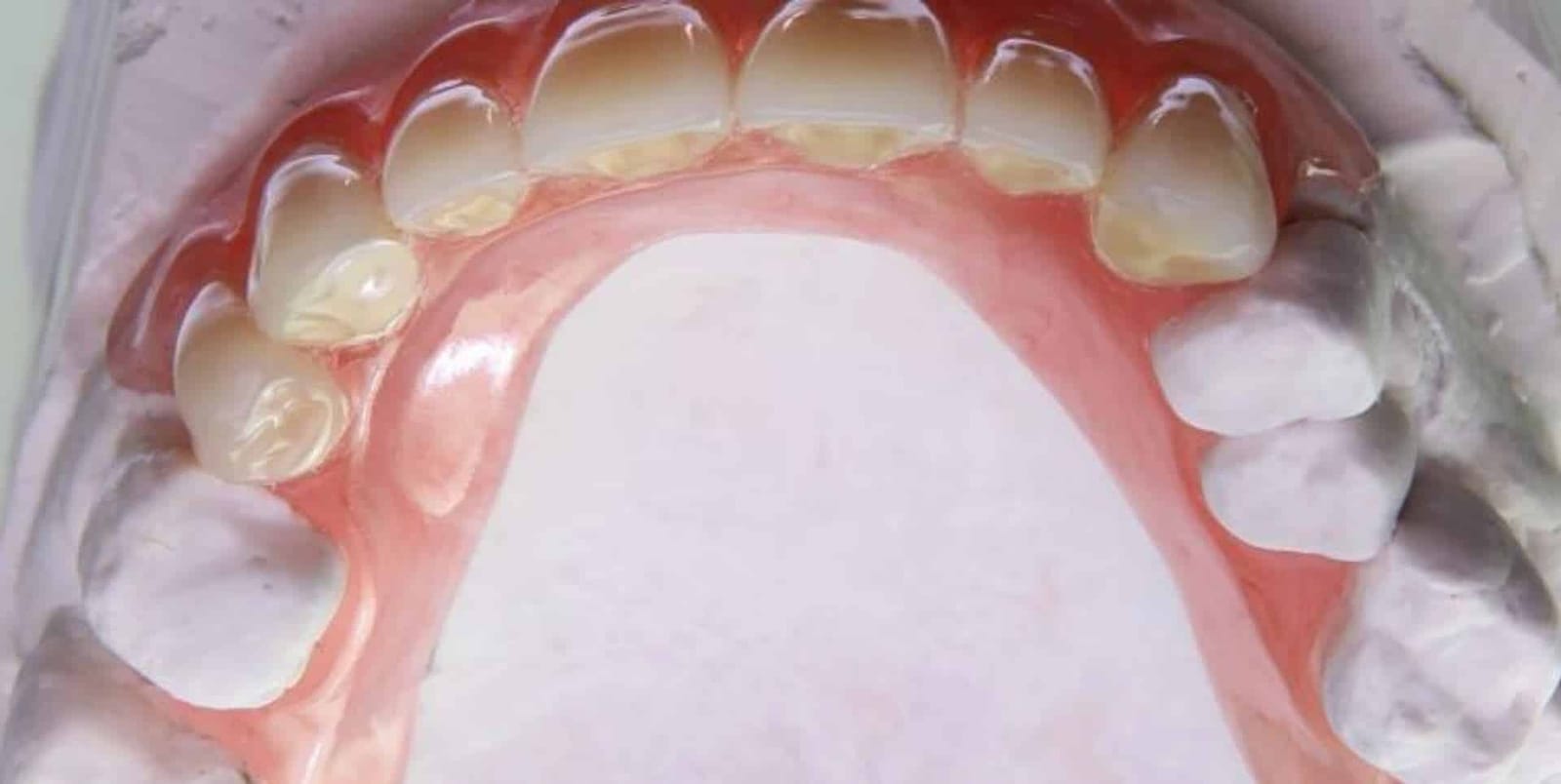
A flexible partial denture may be considered when some natural teeth remain. At Medical-Dent we offer partial flexible dentures; we do not offer full flexible dentures. Your dentist will assess which design and material are suitable.
The dentist checks the gums, remaining teeth, bite and shape of the areas supporting the denture. Gum disease or decay may need treatment before the final denture is made. A missing tooth does not automatically mean that every available replacement would be suitable.
Some designs use gum-coloured or tooth-coloured clasps, which may be less noticeable than metal ones. Ask to see what the proposed design would look like in your mouth rather than expecting it to be invisible.
What does “flexible” mean?
Different thermoplastic materials are used in removable dentistry. Nylon is a type of polyamide, not a separate category alongside all polyamides. Acetal is another material with different properties; it should not be assumed to behave like a flexible nylon base.
Ask which material and system your dentist proposes, why it suits your case, and whether repairs, additions or relining are possible. Tell the team about any known material allergy. “Metal-free” does not mean that no one can react to any component.
No denture is guaranteed to remain comfortable, stain-free or undamaged indefinitely. The replacement teeth and other components also need care, even if the base is resistant to fracture.
Fitting and getting used to the denture
The usual stages include an examination, impressions or scans, records of your bite and checks of the proposed teeth and appearance. The dentist will explain which trial stages apply to your design and how many appointments to expect.
At fitting, practise putting the denture in and taking it out as shown. Tell your dentist if it rubs, moves or interferes with your bite. Adjustments may be needed; reporting a problem helps the dentist address it but cannot guarantee a perfect fit in every case.
Adaptation takes time. Start with food you can manage comfortably and follow your dentist’s advice. Persistent pain or difficulty eating should be reviewed rather than accepted as something you must put up with.
Care and longer-term limitations
Follow the cleaning and storage instructions for the particular material. Products suitable for one denture may not suit another. Do not use hot water, abrasive cleaning or attempt to reshape or repair it yourself.
Remove the denture at night unless your dentist advises otherwise. Keep your gums and any remaining teeth clean, and attend reviews even when the denture feels comfortable. Your mouth can change over time, affecting the fit. Repair, relining or replacement may eventually be necessary.
A flexible denture is one option rather than a universal upgrade. Compare the proposed design with acrylic dentures and ask how each would affect comfort, maintenance and cost.
How much will treatment cost?
See our current prosthodontic fees and request a written quote for the design being proposed. Our listed denture prices are for one arch. Ask about any additional charges for preparatory treatment and adjustments. Older price ranges or monthly repayment examples may not describe your treatment.
If you are considering instalments, read the current finance information. Availability is subject to eligibility, status and affordability checks, and the terms depend on the repayment plan.
You can contact the practice to discuss the options for your missing teeth.