
Fixed braces in the UK: options, treatment and costs
Originally published
Fixed braces can move crowded, spaced or differently positioned teeth and help correct selected bite problems. They are used for both young people and adults. Uneven teeth are not something to be ashamed of, and treatment should reflect your needs and preferences.
An assessment looks beyond the appearance of your front teeth. The clinician checks the bite, tooth development and the health of the gums and teeth before explaining suitable options.
When might braces help?
Crowding, gaps, an open bite or a deep bite may be reasons to consider orthodontic treatment. The severity of the problem and its effect on function matter. A family history of a bite problem does not automatically mean that you need braces.
Jaw pain, headaches, tooth wear and speech difficulties can have several causes. They deserve appropriate assessment; braces should not be presented as a guaranteed treatment for these symptoms.
Crowding can make some areas harder to clean, but crooked teeth do not inevitably decay. Good daily care and regular dental checks remain important whether or not you choose orthodontic treatment.
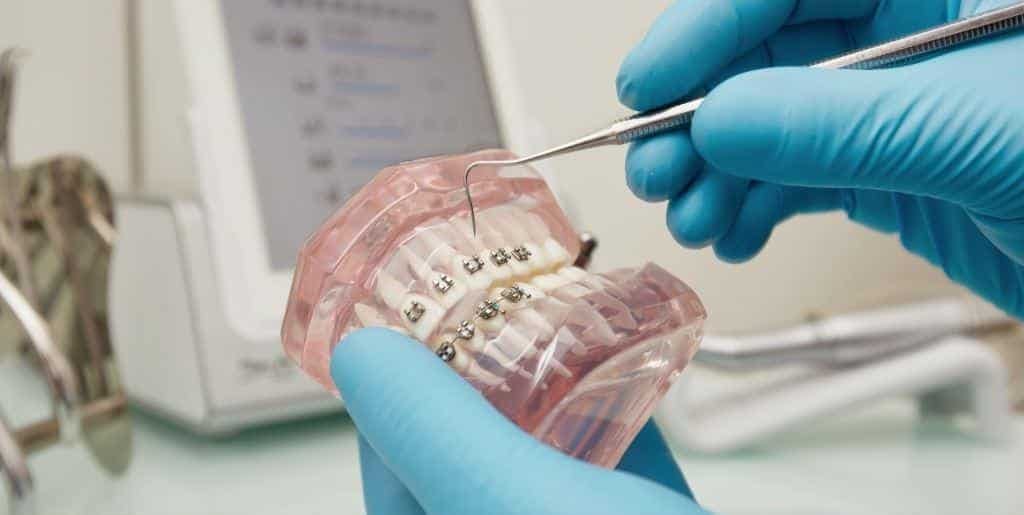
Types of fixed brace
Metal brackets are attached to the teeth and connected by an archwire. Tooth-coloured ceramic brackets are less conspicuous, although the wire and other components may still be visible. Clear sapphire brackets are another option in some systems. Elastic ties can discolour even when the bracket itself resists staining.
Lingual braces sit behind the teeth. They are less visible from the front, but suitability, comfort and availability vary. Discuss the appliance that suits the movements needed rather than choosing on appearance alone.
“Fixed” means you cannot take the brace out yourself during treatment. It does not mean that it stays on for life. Treatment often starts when most adult teeth have erupted, but selected earlier treatment is possible; having every permanent tooth is not a universal requirement.
What happens during treatment?
Braces apply controlled forces that allow the tissues around teeth to remodel. At reviews, the clinician checks progress and adjusts components as needed. This is more than simply tightening brackets at every appointment.
The duration and review intervals depend on the plan. Ask for an estimate and tell the team if you cannot attend. Continue seeing your usual dentist and contact the orthodontic team if a bracket or wire breaks.

Clean carefully around the brackets and between teeth, following a demonstration from the team. Avoid foods and habits likely to damage the appliance. Discuss the risks, including decay, gum problems and changes to tooth roots, before treatment starts.
Retainers are needed afterwards to help maintain the result, usually over the long term. Include their use, reviews and replacement arrangements in your decision.
Listed fees and the full treatment plan
Our standard metal fixed brace is £800 per arch; the standard ceramic fixed brace is £1,100 per arch. An archwire change is £60 per arch, and replacement ligatures are £60 per arch.
These are individual listed fees, not the total cost of a complete course. See our orthodontic fees and request a written estimate covering your proposed treatment, reviews and retention. Costs in different countries cannot be compared reliably without including the same work and follow-up arrangements.
Are there alternatives?
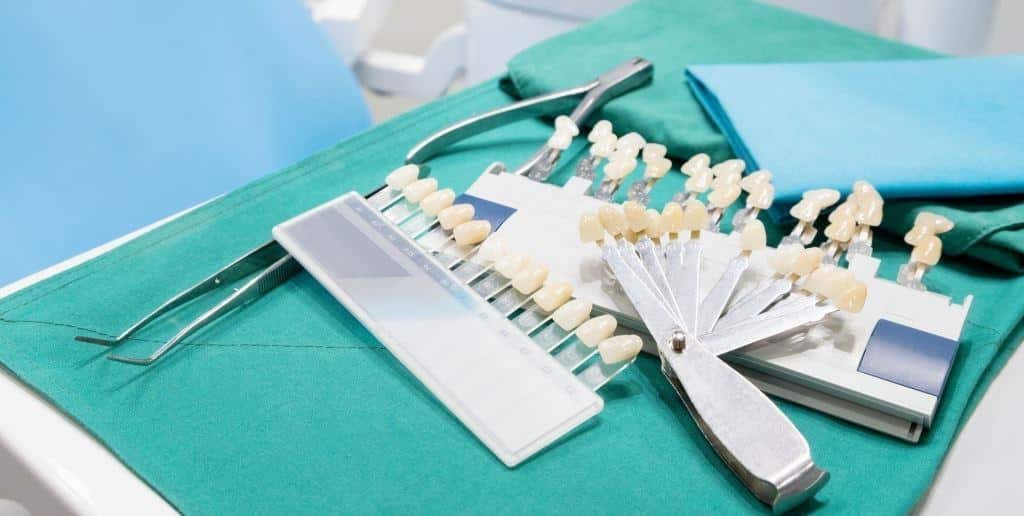
Aligners or other appliances may be suitable for selected movements. Veneers change the visible surface of teeth; they do not move the roots or correct the bite and may require irreversible preparation. They are not a like-for-like substitute for braces.
You can also decide not to proceed after discussing the likely consequences and alternatives. Contact us to arrange an assessment. If you are considering instalments, check the current finance terms.