Dry socket: symptoms, treatment and recovery
Originally published
Pain that becomes worse a few days after a tooth extraction needs attention. One possible cause is dry socket, also called alveolar osteitis. It happens when the blood clot protecting the socket does not form properly or breaks down too soon, leaving the underlying bone exposed.
Dry socket can be very painful, but it is not the same as a spreading bacterial infection. A dentist needs to examine the area to find out what is causing the pain and choose the right treatment.

What does dry socket feel like?
Pain often starts or becomes much worse a few days after the extraction, sometimes after an initial improvement. It may spread towards the ear or temple on the same side. An unpleasant taste or bad breath can also occur.
You cannot reliably diagnose dry socket by looking at a photograph or checking the wound yourself. Do not poke the socket to see whether a clot is present. Contact the dentist who removed the tooth if pain is worsening or ordinary pain relief is not helping. If you cannot reach a dentist, NHS 111 can help you find urgent care.
Increasing facial swelling, a fever or feeling generally unwell may point to an infection or another complication and need urgent assessment. Call 999 or go to A&E if swelling causes difficulty breathing, speaking or swallowing, affects the eye or vision, or you have severe difficulty opening your mouth.
How a dentist treats dry socket
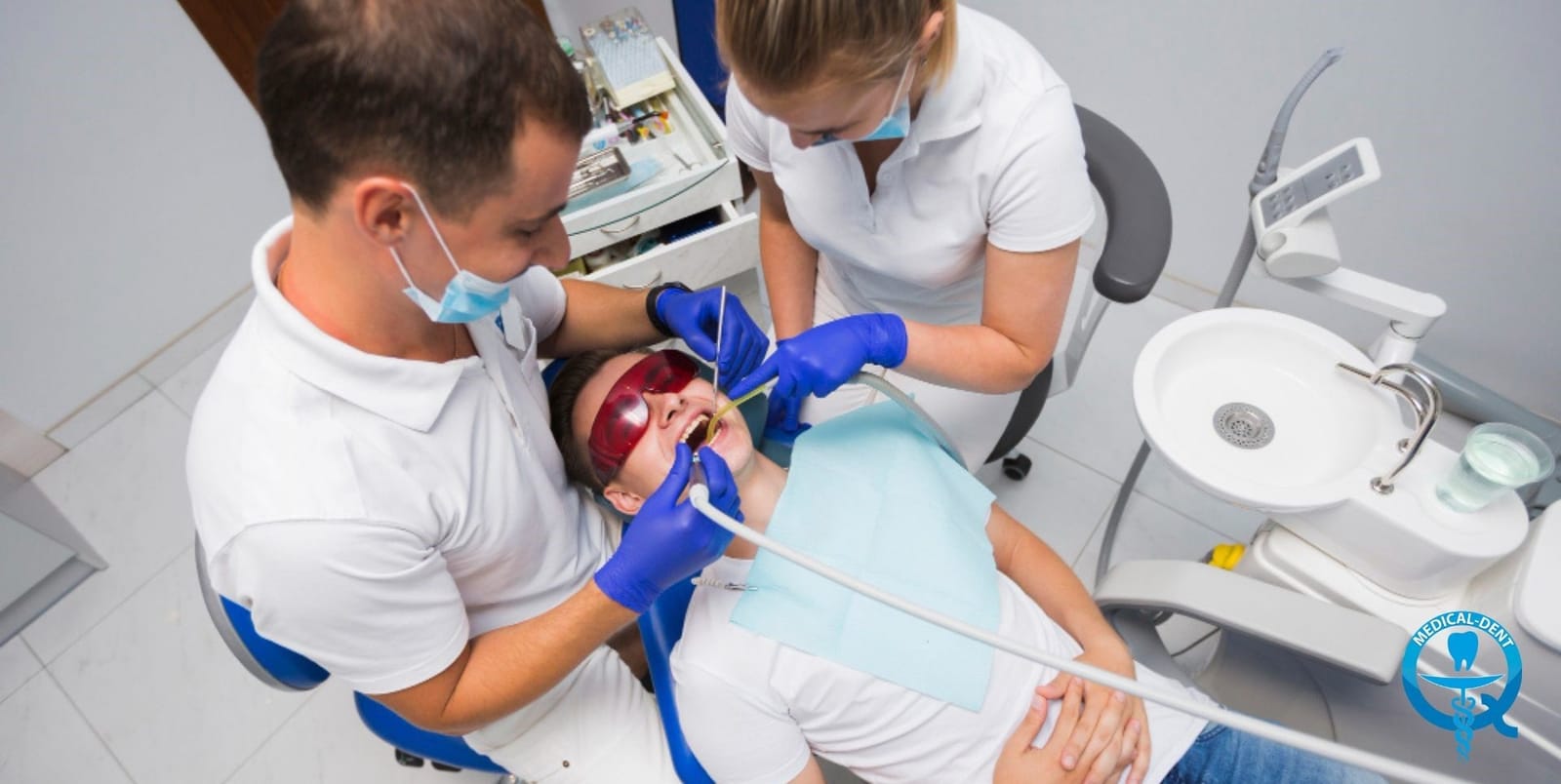
The dentist will ask about the extraction, your symptoms and any medicines you are taking, then examine the socket. They may gently rinse out debris and place a soothing dressing. This aims to relieve pain while the area heals; a review or further dressing may be needed.
Antibiotics are not routinely needed for dry socket. They do not treat the inflammatory pain itself. A dentist may prescribe them if there is a separate indication, such as a spreading infection, after assessing you.
Ask which pain relief is suitable for you and follow the instructions on the packet or prescription. Do not put aspirin, essential oils or homemade dressings into the wound, and do not try to flush or pack the socket yourself.
Looking after the extraction site
Follow the aftercare instructions from your dental team. During the first 24 hours after an extraction, avoid rinsing, spitting or disturbing the wound. After that, gentle warm salt-water rinses may be advised. Vigorous swishing can disturb the healing area.
Choose food that is comfortable to eat and keep the rest of your mouth clean, taking care around the socket. Avoid smoking: it increases the risk of dry socket and can delay healing. Tell the team if stopping is difficult so they can offer support.
These steps reduce risk, but dry socket can still happen despite careful aftercare. It does not mean that you have done something wrong.
What to expect during recovery
Pain should improve with appropriate care as the socket heals, although the time needed varies. Contact the practice again if relief does not last, symptoms worsen or you develop swelling or a fever.

For advice about symptoms after an extraction, contact the practice. You can also read the NHS information on wisdom tooth removal.