Denture relining: improving the fit of a loose denture
Originally published
A denture that has become loose or uncomfortable does not always need replacing. Relining may improve the fit by adding material to the surface that rests against your gums. First, a dentist needs to check why it is uncomfortable and whether the existing denture is suitable for this approach.
Changes in the gums and jawbone can affect the fit over time, particularly as the mouth heals after teeth have been removed. Relining adapts the denture to the current shape of the mouth; it does not rebuild lost bone.
When is a reline worth considering?
Book an assessment if your denture slips, rocks, rubs or makes eating difficult. Repeated sore spots also need checking. The dentist will examine your mouth, the supporting tissues, any remaining teeth, the bite and the condition of the denture.
A reline may help if the denture is otherwise serviceable but no longer fits closely. It will not necessarily solve worn denture teeth, a poor bite or a damaged base. Sometimes an adjustment, treatment of the mouth, repair or a new denture is more appropriate.
Soreness needs a diagnosis
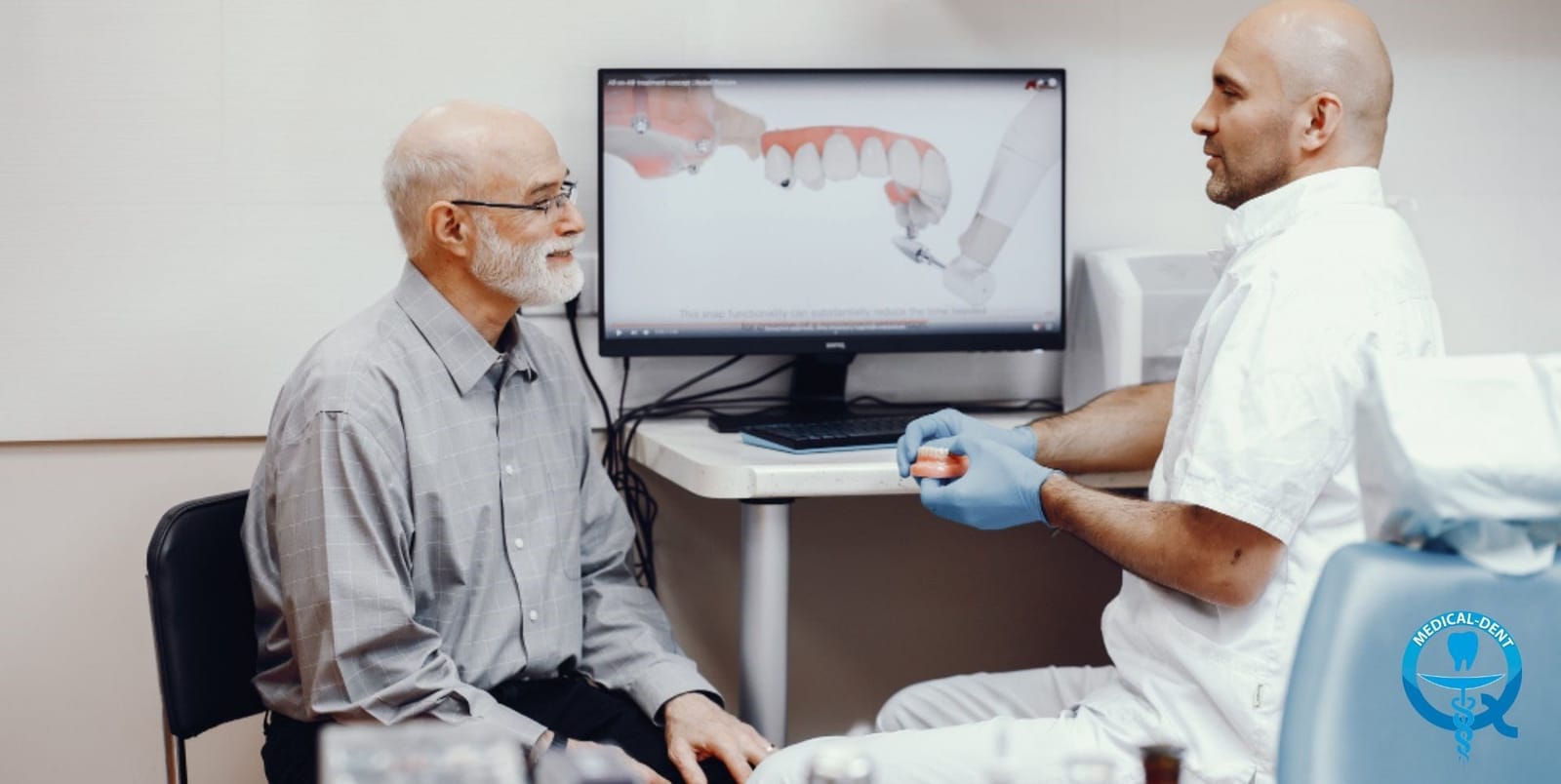
Do not assume that every sore area is simply caused by a loose denture. Infection, gum problems and other conditions may need treatment before or alongside an adjustment. Relining is not a treatment for gum disease itself.
A mouth ulcer lasting more than three weeks should be checked by a dentist or GP, even if you think the denture caused it. Arrange an earlier review if pain is significant or you cannot eat comfortably.
Do not file the denture or add household glue or homemade lining material. Adhesive cannot correct every fitting problem, and increasing the amount to hold a loose denture in place can delay the assessment it needs.
What happens during relining?
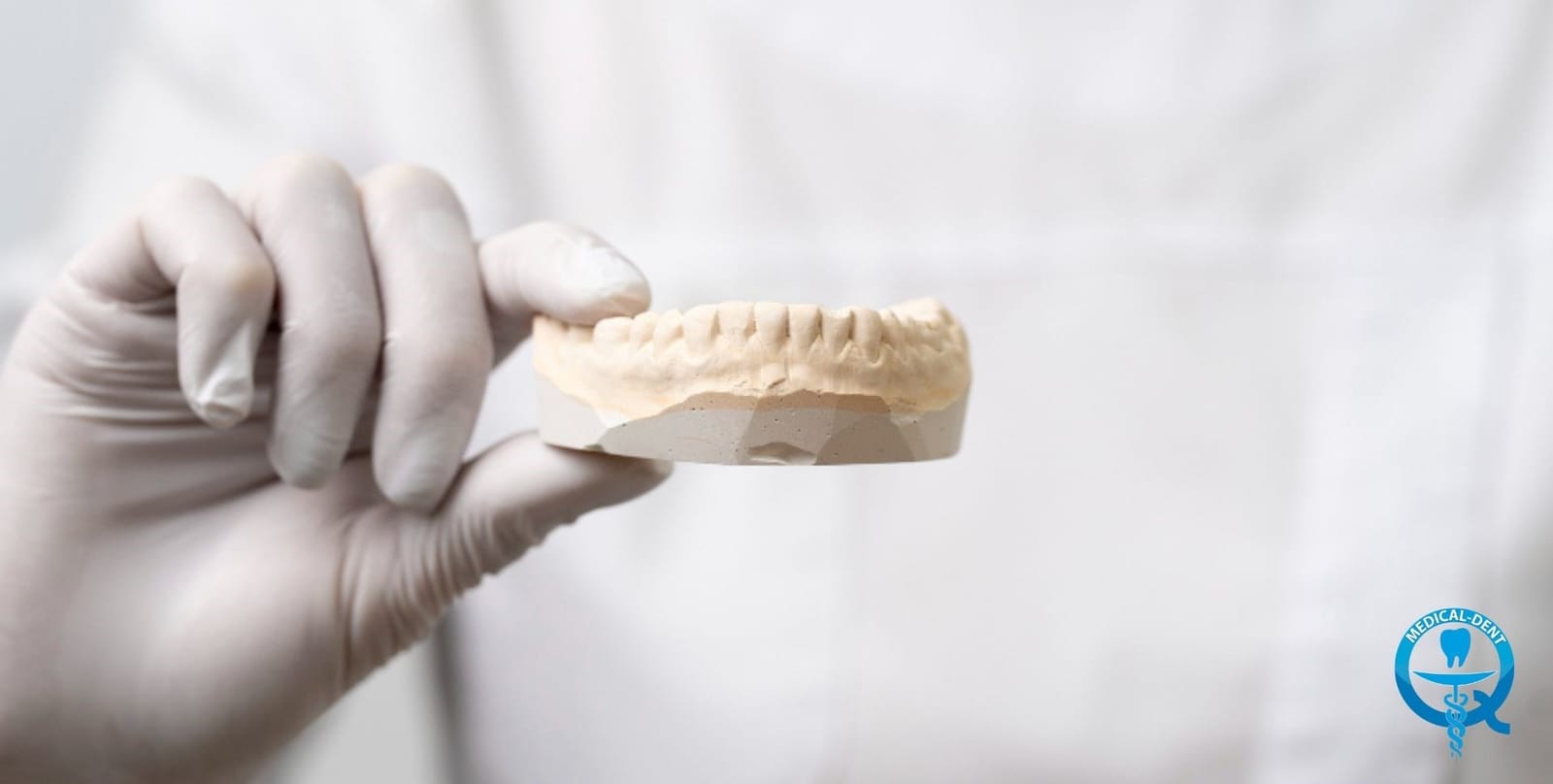
After assessing the fit, the dentist prepares the fitting surface and records the shape of the tissues, usually using an impression with the existing denture. The new lining may be made in a laboratory or, for some materials and situations, directly in the surgery.
A hard reline and a soft lining serve different needs. The dentist will explain which material is suitable, whether it is temporary and how to look after it. A laboratory reline means you may be without the denture while the work is done, so ask about the timing beforehand.
When the denture is returned or the material has set, the dentist checks the fit and bite and makes any necessary adjustments. Further review may be needed if a sore area develops.
Looking after the relined denture
Follow the cleaning instructions for the material used, as soft linings can need different care. Avoid hot water, and do not assume that every denture-cleaning product is suitable. Clean your mouth and any natural teeth as well as the denture.
Usually, dentures should be removed at night unless your dentist has given a specific reason to keep them in. Keep attending dental reviews even if you have no natural teeth. Your mouth can continue to change, so relining does not guarantee a permanent fit or remove the possibility of replacement later.
How much does a denture reline cost?
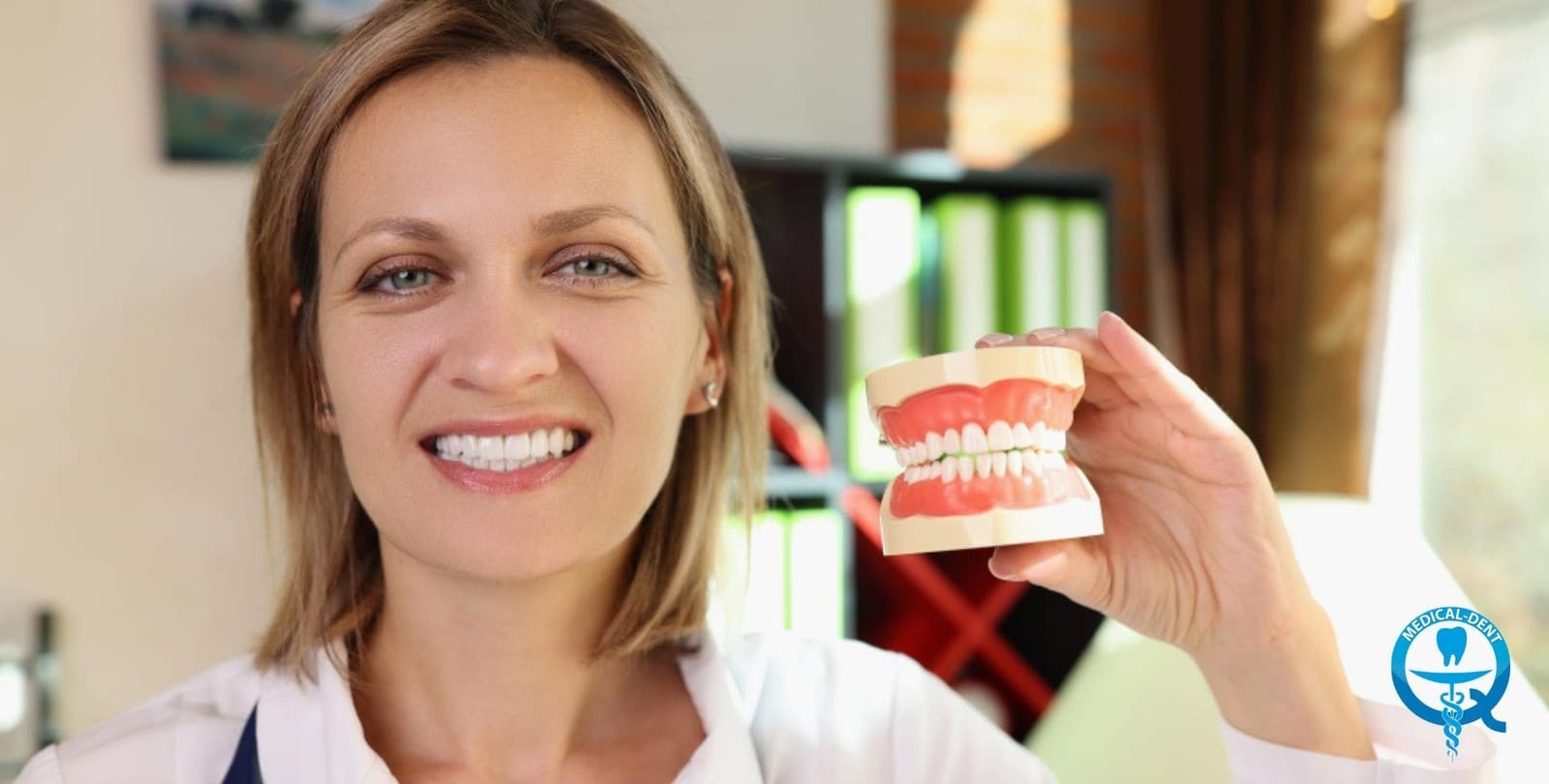
Our listed fee for a denture reline in the laboratory is £120. This is the listed service fee, not a quotation for every type of lining or for any other treatment your mouth may need. The fee listing notes that no guarantee is offered for this service; ask the team to explain the terms and likely outcome before proceeding.
See the current prosthodontic fees. Finance may be available subject to eligibility, affordability and terms; check the current finance information rather than assuming that every procedure qualifies. Medical-Dent acts as a credit broker, not a lender.
Contact us to have the fit and condition of your denture checked.