
Dental veneers in the UK: suitability, treatment and costs
Originally published
Dental veneers cover the front surface of a tooth to change its appearance. They may help with selected chips, discolouration, gaps or uneven shapes, but they are not the best answer to every concern about a smile.
Before choosing treatment, discuss what you would like to change and how much healthy tooth would need to be altered. Keeping your teeth as they are is also an option when there is no clinical problem.
Are veneers suitable for you?
The dentist checks for decay, gum disease, existing restorations and problems with the bite. These may need attention before cosmetic treatment. Grinding or clenching can increase the risk of damage and should be part of the discussion.
Veneers can disguise some minor unevenness, but they do not move tooth roots or correct a jaw discrepancy. Depending on your concern, alternatives may include whitening, a small composite repair or orthodontic treatment.
Short teeth are not automatically unsuitable. Equally, having healthy teeth does not mean veneers are necessary. The number of teeth treated should follow an individual plan, rather than a standard set of six on each arch.
Composite and porcelain
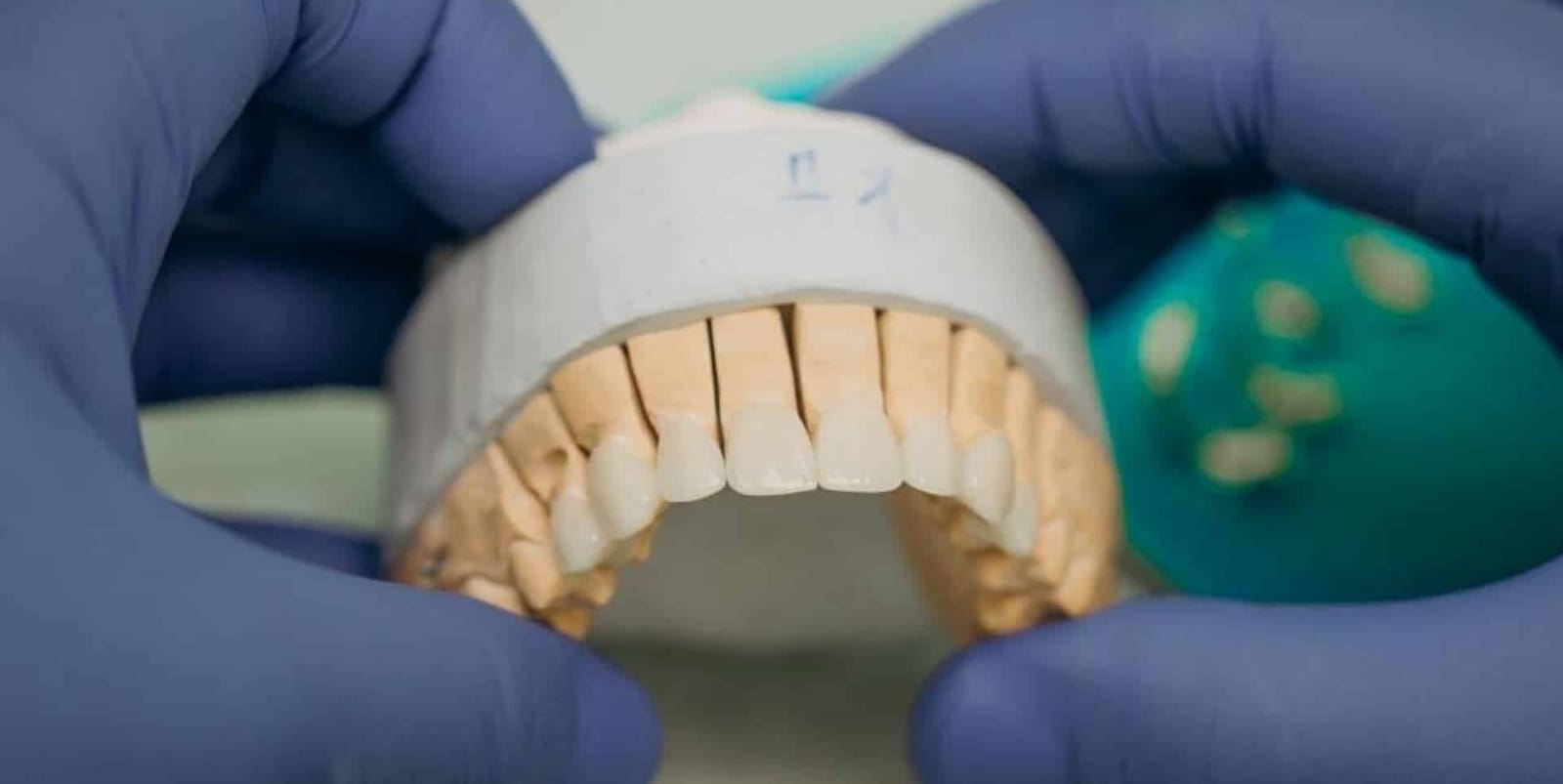
Composite can be shaped directly on the tooth, hardened with a curing light and polished. It may allow a more conservative approach in suitable cases and can often be repaired. It can stain or wear over time.
Porcelain veneers are made separately and bonded to the teeth. They generally resist staining better than composite, but they can still chip or become detached. Neither material is immune to plaque or decay around its edges.
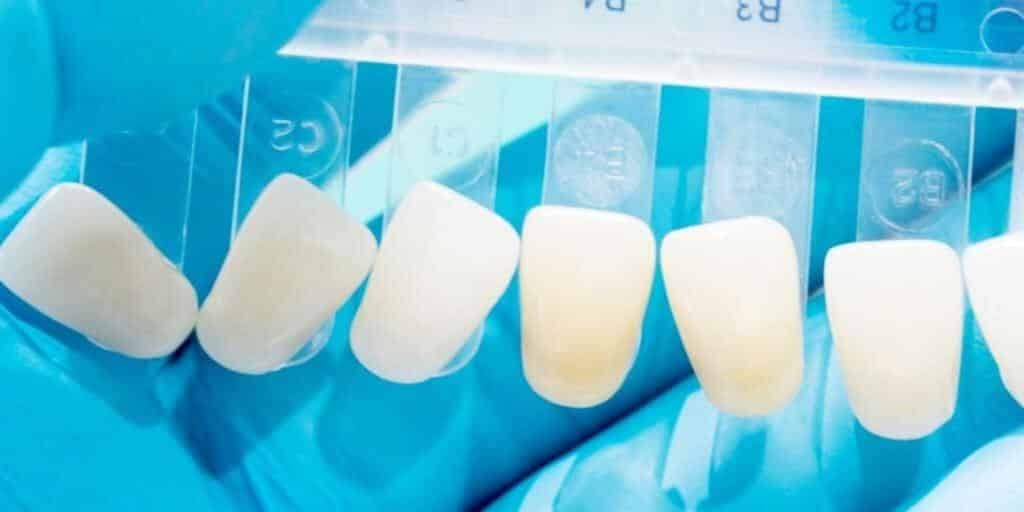
Ask to see the proposed shape and shade before agreeing to treatment. A mock-up may help with planning, but it cannot promise a particular long-term result.
What happens during treatment?
For a direct composite veneer, the dentist prepares the surface as needed, bonds and shapes the material, then checks the bite and polishes it. This can often be completed in one visit, although the plan may involve further appointments.
For an indirect veneer, any necessary tooth preparation comes before the final scan or impression used to make it. The dentist checks the fit and appearance before bonding. Temporary coverings may be needed between stages. Local anaesthetic can be used when appropriate.
Removing enamel is irreversible. Ask how much preparation is proposed and what future repair or replacement might involve. Even a conservative approach needs careful planning; veneers are not a lifetime guarantee against further dental treatment.

Fees and what to ask before agreeing
The current listed fee for a composite veneer is £220. A porcelain EMAX veneer is £600.
These are individual veneer fees, not a price for a whole smile. Check the number of teeth, material, any preparatory treatment and the total in your written plan. The prosthodontic fee list shows the current categories; different ceramic options should not be treated as the same item.
For payment options, see the current finance information. Eligibility and terms need checking for your circumstances.
Caring for veneers
Brush twice daily with fluoride toothpaste and clean between your teeth. Attend reviews at the interval your dentist recommends. Avoid using teeth to open packaging or bite hard objects, and discuss protection if you grind your teeth or play contact sports.
Report a loose veneer, persistent sensitivity, a rough edge or a bite that feels wrong. A veneer may need adjustment, repair or replacement; do not try to glue it back yourself.
Contact the practice to discuss whether veneers or a less extensive option would suit your teeth.