Dental implants in the UK: treatment and aftercare
Originally published
A dental implant replaces the root of a missing tooth and supports a crown, bridge or denture. It can be an option for one missing tooth or several, but the right choice depends on your health, remaining teeth, bone and preferences.
A bridge or removable denture may also be suitable. In some cases, leaving a gap is reasonable. Veneers change the surface of existing teeth and are not a direct replacement for a missing tooth.
How does an implant work?
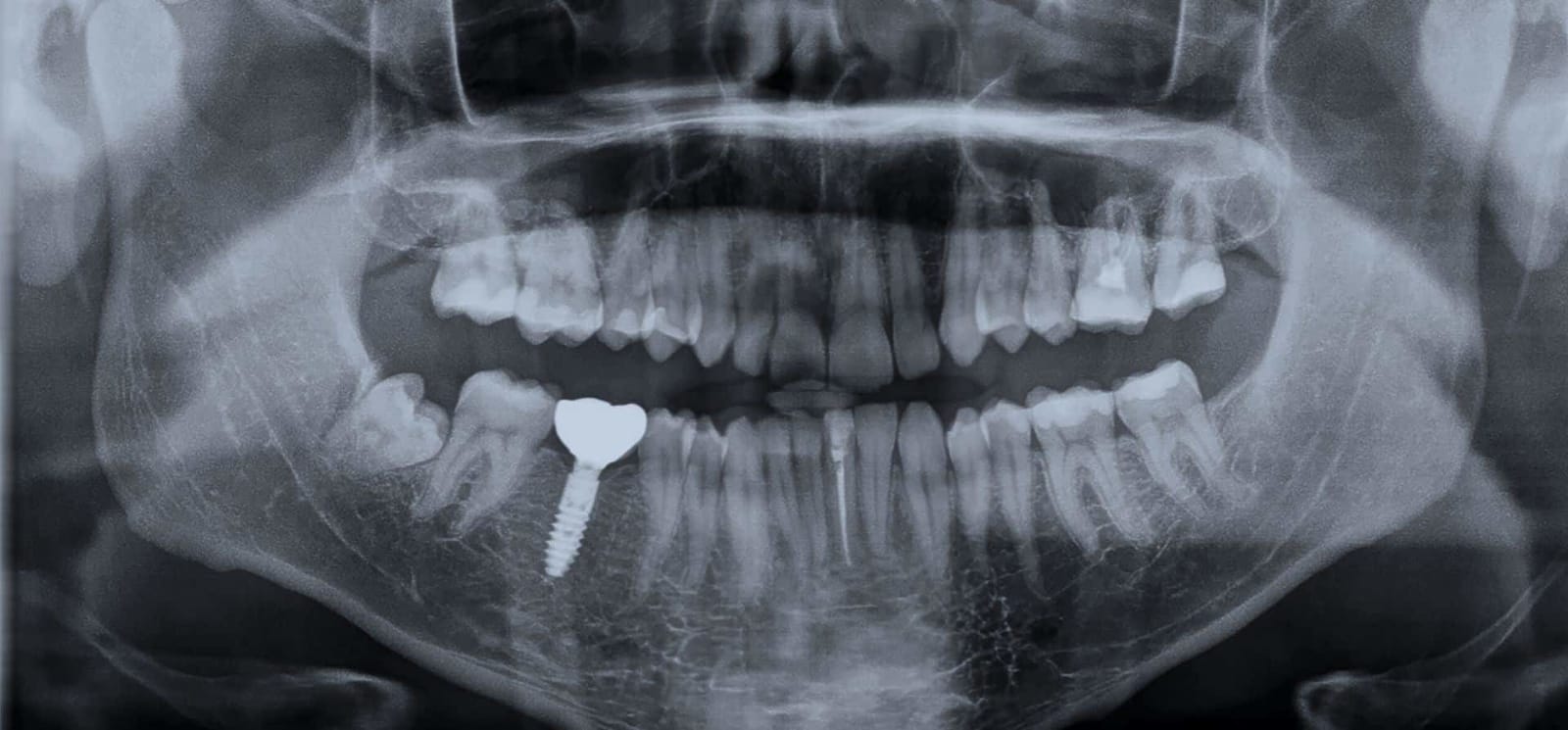
The implant is usually made from titanium or a titanium alloy and is placed in the jawbone. During healing, bone forms a close connection with its surface, a process called osseointegration. A connector, or abutment, links the implant to the replacement tooth or teeth.
The crown is the visible restoration. Materials include ceramics such as zirconia and porcelain bonded to metal. Zirconia is not indestructible, and no material is best for every patient. Temporary resin teeth may be used during treatment; this does not mean the implant itself is temporary.
We use Ankylos implants at Medical-Dent. Ask your dentist which restoration is appropriate for your plan. A manufacturer’s component warranty, if offered, is different from a guarantee that treatment will last for life.
Who can have implants?
Assessment includes your oral health, medical history, medicines, smoking and the bone available. Implants are generally considered after jaw growth has finished. Gum disease and other dental problems may need treatment first.
Diabetes, osteoporosis or a history of cancer are not all automatic exclusions. The condition, its control and the treatment you receive matter. In particular, tell the dentist about medicines affecting bone, including injections for osteoporosis or cancer. Do not stop prescribed medicines yourself. Mention pregnancy so that the team can plan appropriate care.

What happens during treatment?
After examination, the dentist arranges imaging where needed and explains the options, risks and costs. Some people need grafting before or alongside implant placement. Others do not.
Implant surgery is usually carried out under local anaesthetic. The length of the appointment and any additional support depend on the procedure and your needs. Discuss pain control and the expected recovery beforehand.
Healing arrangements vary. A cap may remain visible above the gum, or the implant may be covered initially and exposed later. The healing cap helps shape the gum; it does not replace the time needed for the implant to become stable in bone. Final teeth are fitted when the dentist considers the area ready. Earlier temporary teeth are possible in selected cases, not guaranteed at every visit.
What are the risks and care needs?
Implants can fail to integrate, and surgery carries risks such as infection or damage to nearby structures. Your dentist should explain the risks relevant to the site being treated. Later, inflammation around an implant can affect the supporting bone. Crowns, bridges and attachments can also wear or break.
Daily cleaning and continuing reviews are essential. The team should show you how to clean around the restoration, including areas a toothbrush cannot reach. Seek advice for persistent bleeding, swelling, pain or movement rather than waiting for the next routine visit.

Planning the cost
Use our implant fees and a written individual estimate. The implant, abutment and crown are separate components; the abutment is not included in the implant or crown price. Grafting, temporary teeth and future maintenance may add to the cost.
For payment options, read the current finance information, including eligibility and terms. You can contact us to discuss an assessment before making a treatment decision.