Dental implants: eight frequently asked questions
Originally published
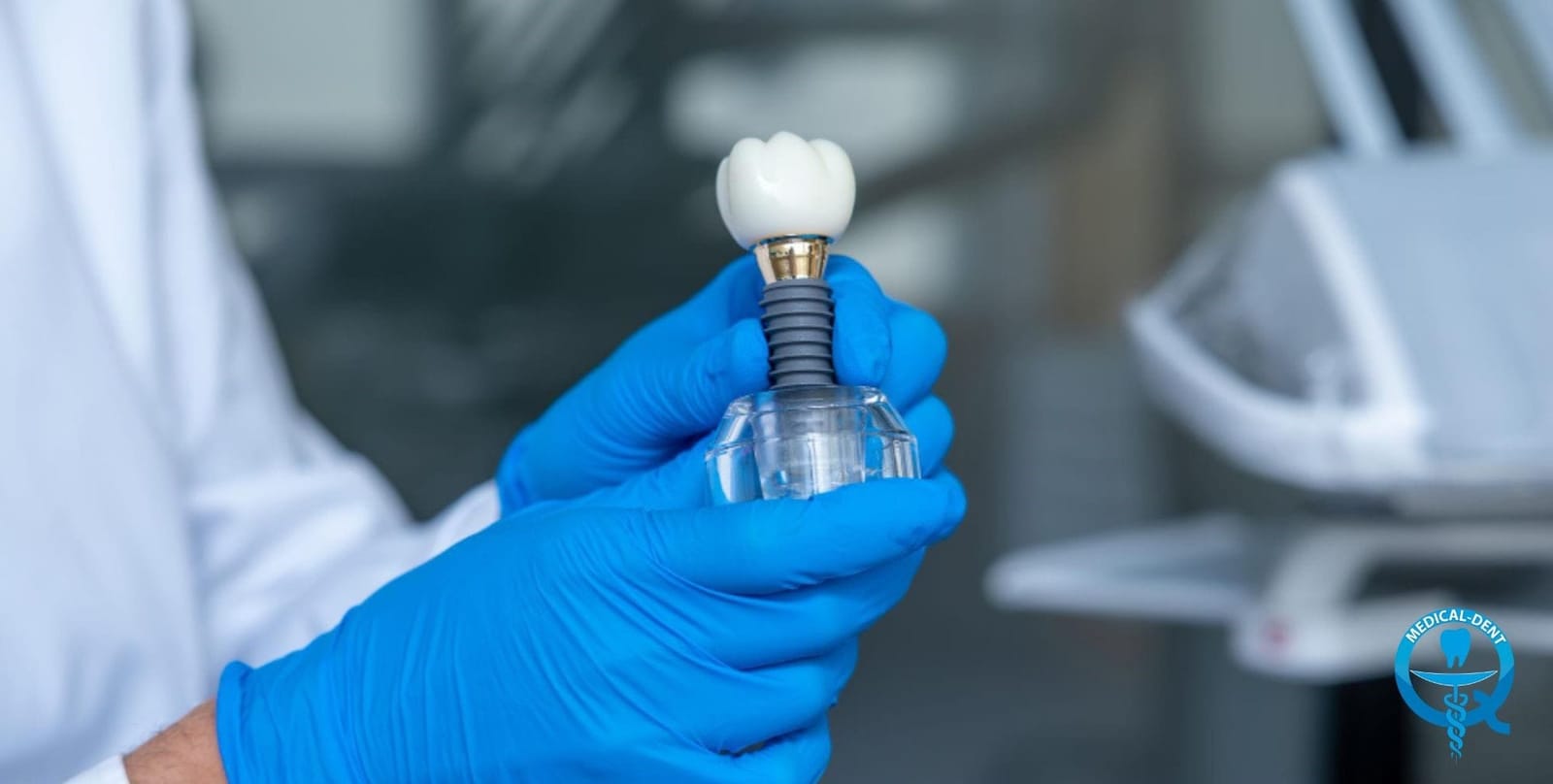
A dental implant is placed in the jawbone to support a replacement tooth or teeth. Deciding whether to have one involves an assessment of your mouth and health, a discussion of alternatives and a clear estimate for the whole course of treatment.
These eight questions cover the points patients often want to understand before deciding.
1. Does having an implant hurt?
Implant placement is usually carried out with local anaesthetic to numb the area. You may feel pressure or movement. Tell the team if you feel pain so they can check your comfort before continuing.
Soreness, swelling or bruising can follow surgery. The team will explain suitable pain relief and what to expect after your particular procedure. Contact them for worsening or severe pain, increasing swelling, fever or bleeding that does not stop with the advice provided. Difficulty breathing or swallowing needs emergency help through 999 or A&E.
2. How long does healing take?
The gum wound and the implant’s attachment to the bone heal on different timescales. Although the mouth may feel more comfortable relatively soon, the bone usually needs months before the final tooth can be fitted.
Extraction, bone grafting and the design of the restoration can extend treatment. Some selected plans allow an earlier temporary tooth, but this is not suitable for everyone. Ask for the expected stages and what you can wear or eat during healing rather than relying on a single completion date.
3. What can affect suitability for an implant?
Suitability depends on oral health, available bone and factors that affect healing. Gum disease and active dental infection need assessment and management. Smoking and poorly controlled diabetes can increase risks; stopping smoking and improving health may be part of preparation.
Tell your team about all medical conditions, previous cancer treatment and medicines, especially treatments that affect bone. These require individual assessment rather than a blanket rule that every person with that history can or cannot have an implant. Do not stop prescribed medicine yourself.
Implants are usually considered once jaw growth is complete. If you are pregnant, tell the team so elective treatment can be planned appropriately. Where bone is insufficient, a graft may sometimes be possible, but implants are not the only way to replace a tooth.
4. Can anyone choose an implant?
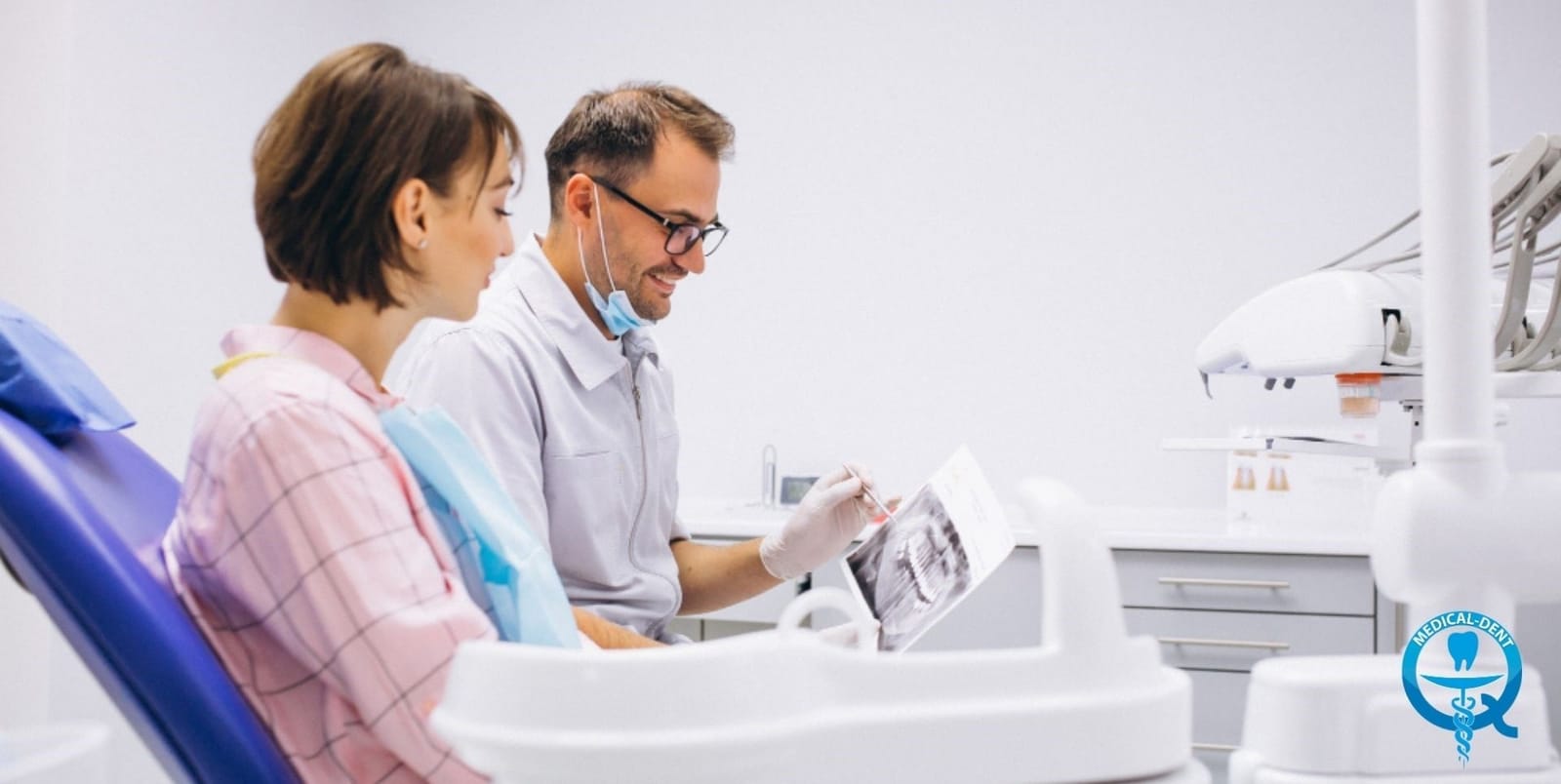
An examination is needed before an implant can be recommended. Bone, nearby nerves or sinuses, the space available, your bite and the remaining teeth all influence the plan. Being generally healthy does not establish whether an implant is suitable at a particular site.
Several implants may support a bridge or denture, so every missing tooth does not necessarily need its own implant. Ask how the options compare for your circumstances.
5. What are the benefits and limitations?
An implant can provide support for a crown or bridge without preparing adjacent teeth, or help stabilise a denture. The restoration is planned to suit your appearance and bite, but it does not reproduce every feature of a natural tooth.
Implants can fail to attach to the bone, and surgery carries risks such as infection or injury to nearby structures. Later problems can include inflammation and loss of supporting bone, as well as wear, loosening or fracture of components. Your team should discuss the risks relevant to the proposed site and alternatives such as a bridge or removable denture.

6. What does treatment involve?
The assessment includes an examination, medical history and appropriate imaging. A three-dimensional scan may be useful for some plans; it is not automatically required simply because you are considering an implant.
After assessment and preparation, the implant is placed and allowed to heal. The crown, bridge or denture is then made and attached when the team considers it appropriate.
Ask about the number of appointments, whether grafting is needed, arrangements for a temporary tooth and any instructions about eating, medicines or travel on the day. Follow the instructions for your anaesthetic and procedure, rather than a general online checklist.
7. How do I look after an implant?
Follow the team’s cleaning and eating instructions while the surgical site heals. Do not put pressure on the area with an existing denture unless the team has checked its fit.
Long-term care includes cleaning around the implant and between the teeth using the tools your team recommends, alongside regular professional reviews. Report bleeding, swelling, discharge, discomfort or a change in how the restoration feels. Good care reduces risk, but cannot guarantee that an implant will last for life.
8. What should the cost include?
Check our current implant fees and ask for an itemised treatment plan. The implant, connecting abutment and crown are separate components. The abutment is not included in either the implant fee or the crown fee.
The estimate should also explain any assessment, imaging, extraction, grafting, temporary restoration and maintenance costs. A headline price for one stage is not the total cost of a completed replacement tooth. For instalment options, read the current finance terms; eligibility and approval conditions apply.
Contact us to discuss which replacement options are appropriate for you.