
Dental implant treatment: the stages explained
Originally published
Dental implants can support replacement teeth when one or more teeth are missing. Treatment involves planning, surgery, healing and fitting the replacement tooth or teeth. It often takes several months, and the sequence depends on your mouth and the proposed restoration.
An implant is not the only option. A bridge, removable denture or, in some situations, leaving a gap may be appropriate. The dentist should explain the benefits and limitations of each suitable approach.
What are the different parts?
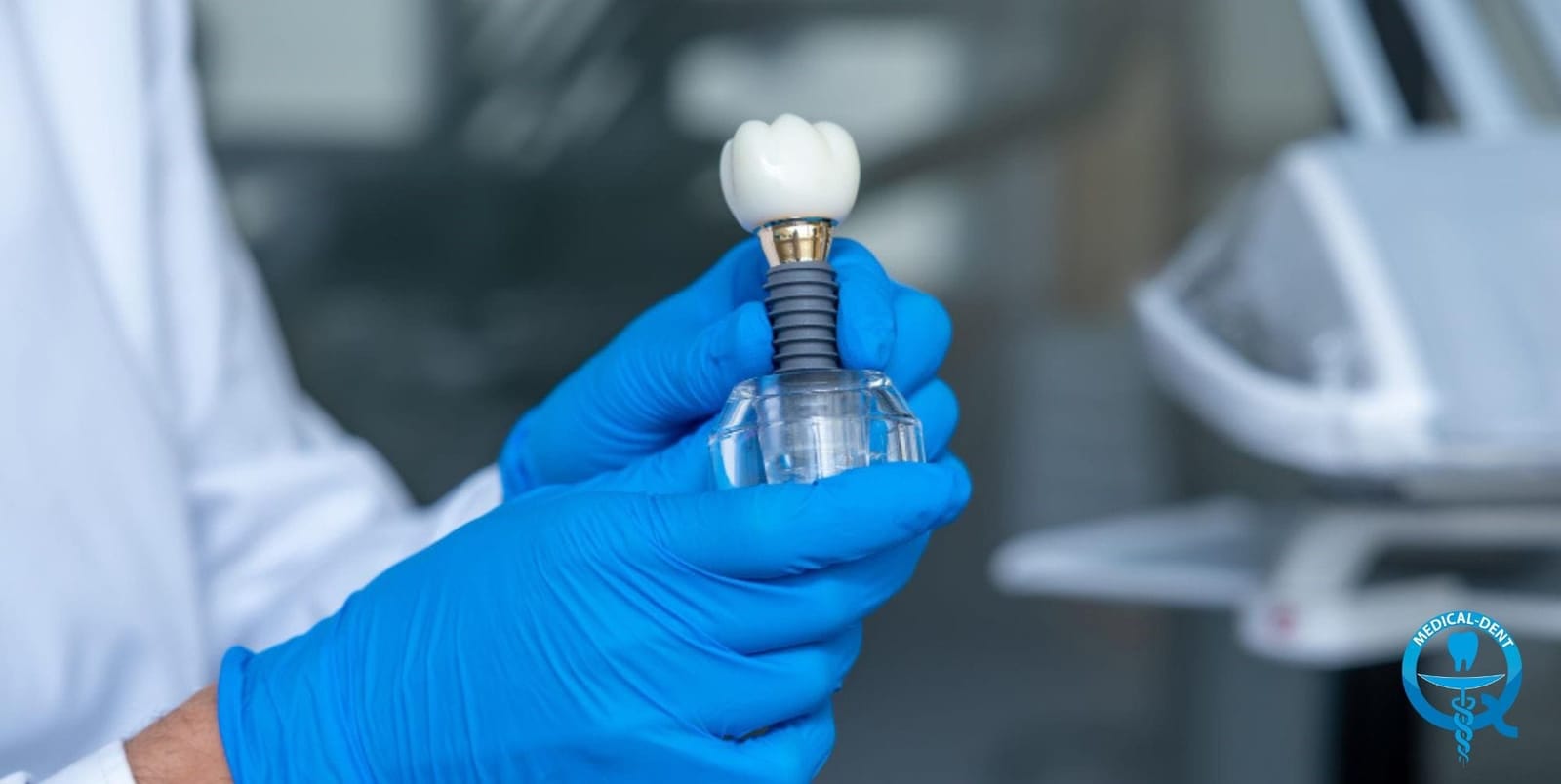
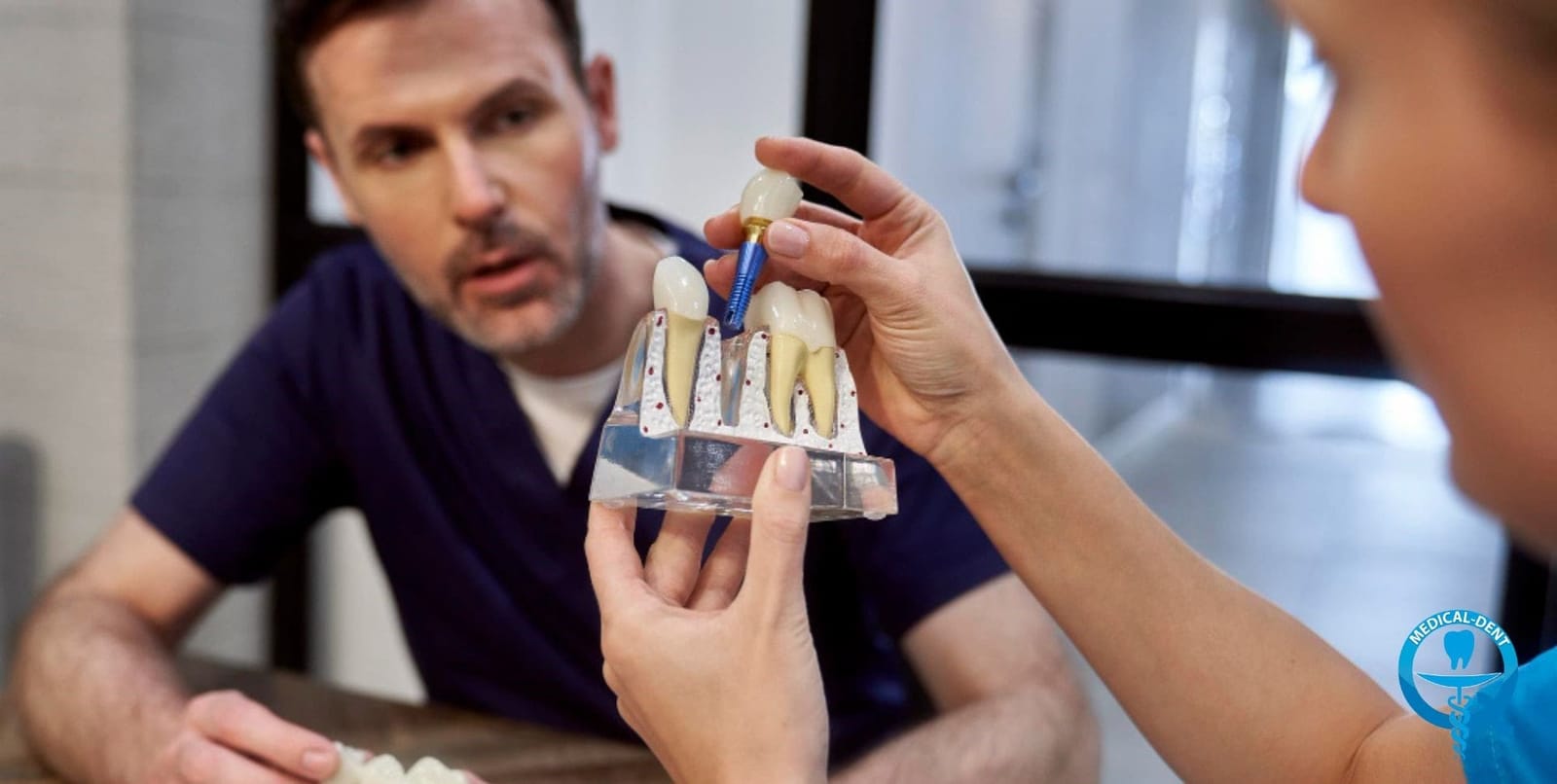
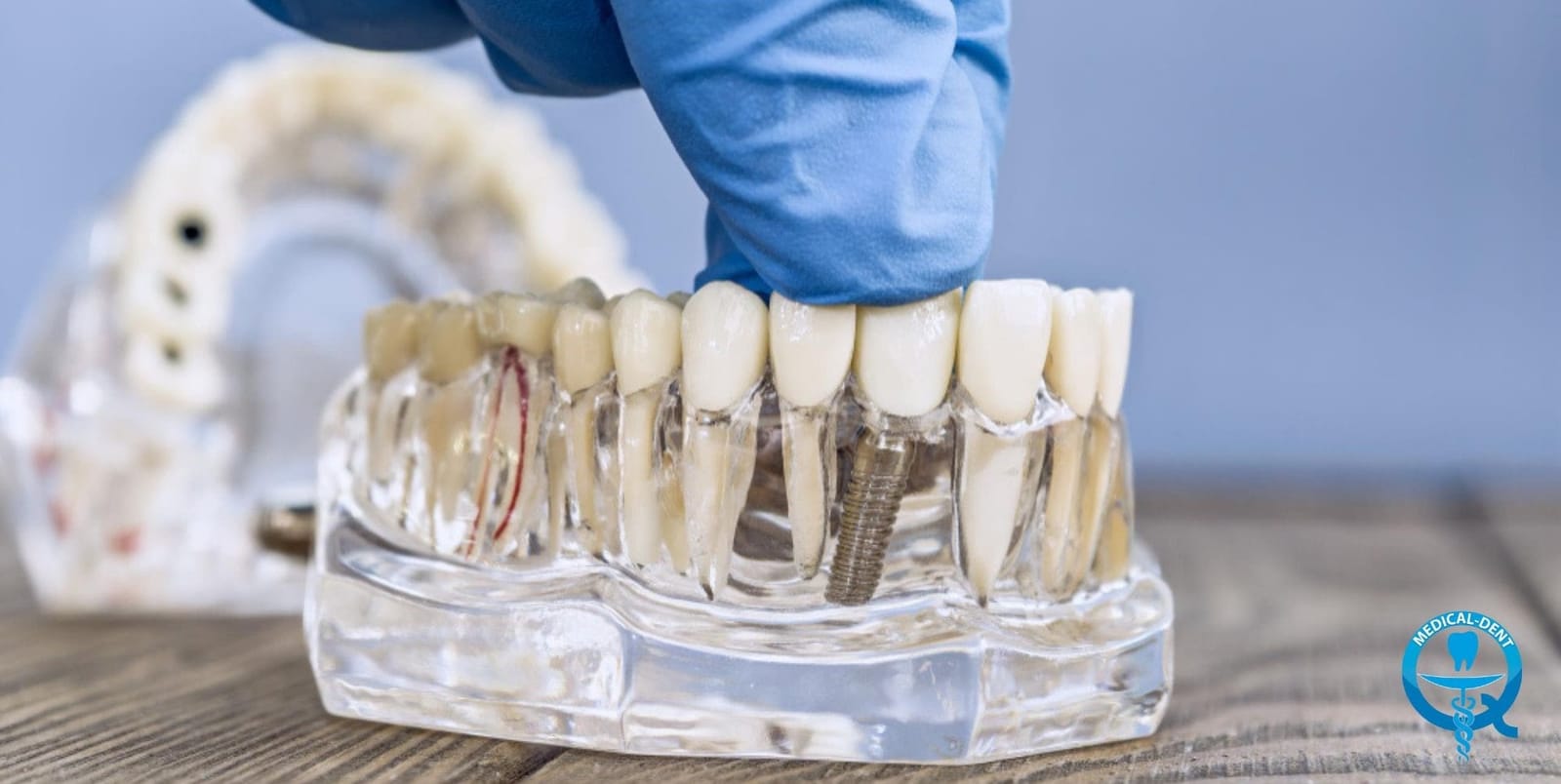
The implant is the component placed in the jawbone, usually made of titanium. An abutment connects it to the restoration, such as a crown. Implants can also support bridges or help retain removable dentures, so implant treatment does not always mean a fixed replacement.
Bone healing around the implant is called osseointegration. This provides support when successful, but integration can fail. Implant materials do not guarantee that every implant will be accepted or last for life.
1. Assessment and planning
The team reviews your medical history, medicines, oral health and expectations. Examination and appropriate imaging help assess the available bone and nearby structures. A three-dimensional scan may be needed, but imaging should be chosen for the clinical question rather than assumed to be identical for everyone.
Gum disease or other problems may need treatment first. Smoking and some medical conditions can affect healing or the risk of complications. Be open about your history so the team can advise you properly.
If there is insufficient bone, grafting or a sinus lift may be considered. These procedures add their own risks, cost and healing time and do not make everyone suitable for implants.
2. Implant placement
Surgery is usually performed with local anaesthetic. You may feel pressure or vibration; tell the clinician if you feel pain. The appointment length depends on the number of implants and any additional procedures.
The implant may be placed with a healing component visible above the gum, or covered by the gum initially. With a two-stage approach, a later procedure exposes it and fits a healing component. Not everyone needs a separate uncovering operation.
You should receive written aftercare instructions and a way to contact the team if problems arise. Some soreness or swelling can occur. Worsening symptoms, persistent bleeding or unexpected numbness need prompt advice.
3. Healing and the replacement teeth
The team allows time for the implant and surrounding tissues to heal before deciding when it can support the planned restoration. Temporary teeth or earlier loading may be possible in selected cases, but they are not suitable for everyone.
An impression or scan is used to make the final restoration. The dentist checks the fit, appearance and bite before completing treatment. An abutment and a crown are separate parts of a single-tooth restoration, even when they are fitted within the same treatment plan.
How long will it take, and what are the risks?
Ask for an individual timetable. Extractions, grafting and healing can extend the process; a fixed promise of eight to sixteen weeks for the whole treatment would be misleading.
Risks include infection, failure to integrate, damage to nearby structures and later problems with the restoration or supporting tissues. Their relevance depends on the site and your circumstances. Implant treatment cannot guarantee prevention of all future bone loss or movement of other teeth.
The Leeds Teaching Hospitals implant guide explains treatment stages and alternatives in more detail.
Ongoing care and costs
Implants need daily cleaning and continuing professional review. Inflammation around an implant can damage its support, and crowns or other components may need repair or replacement. Ask the team to show you how to clean around your particular restoration.

See our implant fees and request an itemised plan covering assessment, imaging, surgery, any grafting, the abutment and final restoration. The abutment is not included in either the listed implant or crown fee. Ask about temporary teeth, reviews and maintenance as well.
If you are considering instalments, read the current finance information and confirm eligibility and terms. Contact us to arrange an assessment.