
Dental bridges: how they work and what they cost
Originally published
A dental bridge is a fixed replacement for one or more missing teeth. A replacement tooth, called a pontic, is supported by neighbouring teeth or, in a different type of treatment, dental implants.
A bridge may help with chewing and appearance, but it is not the only way to manage a gap. Your dentist can compare it with a removable denture, an implant or, in some cases, leaving the space under review.
How is a bridge supported?
A conventional bridge uses a crown on a supporting tooth or teeth. Preparing these teeth removes tooth tissue, so the condition of the neighbouring teeth matters. A resin-bonded bridge uses a wing attached to a neighbouring tooth and may need little or no preparation. Some designs use one supporting tooth rather than a tooth on each side of the gap.
The choice depends on the space, the supporting teeth and gums, and how your teeth meet. A bridge is not a treatment for gum disease or a guarantee against decay. Its supporting teeth still need care.
Assessment and preparation
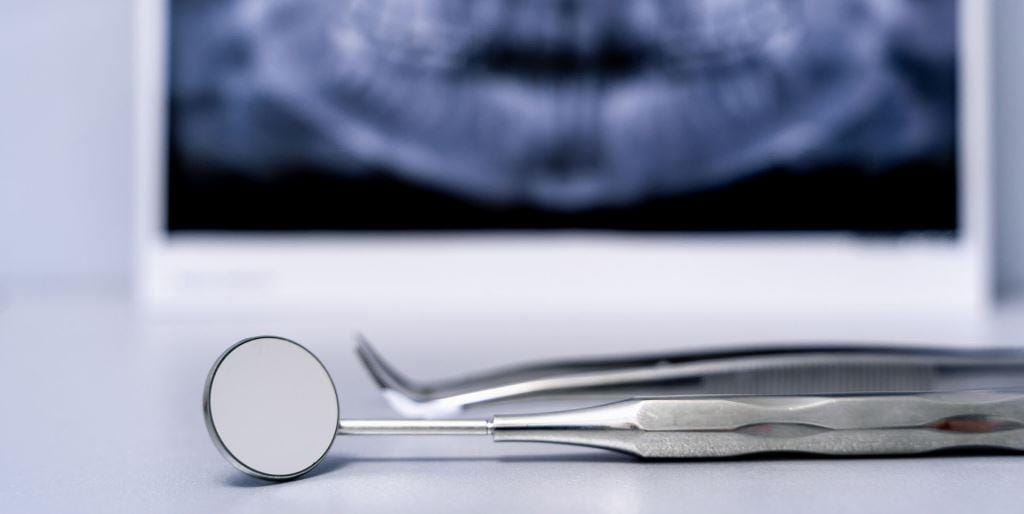
The dentist examines your mouth and may recommend X-rays where needed. Decay or gum disease may need treatment before a bridge is made. A supporting tooth does not have to be completely untouched, but it must be suitable for the proposed design.
Root canal treatment is not a routine step for every bridge. It may be needed if a supporting tooth has a problem with its pulp. Preparing a tooth for a crown also carries a risk of later pulp problems, which should be discussed before treatment.
Making and fitting the bridge
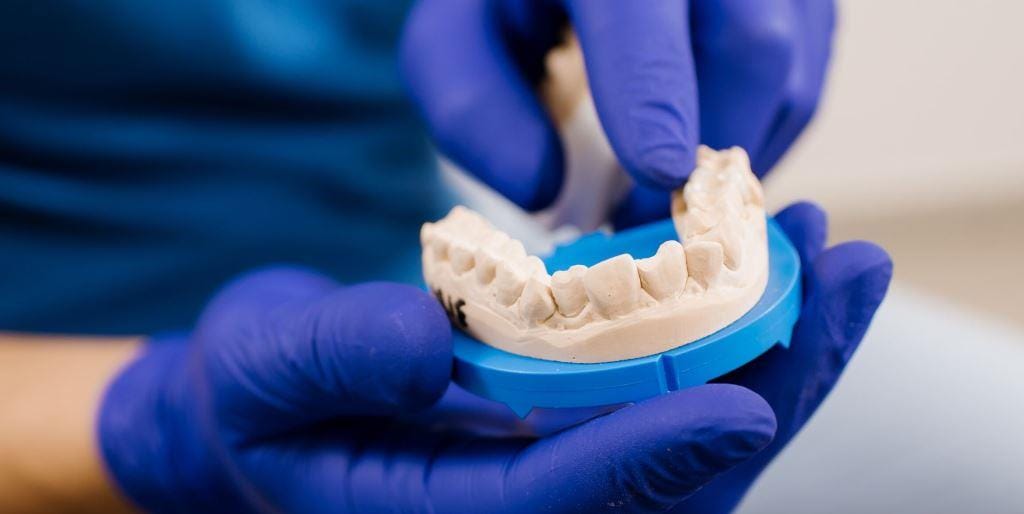
Depending on the design, the dentist prepares the supporting teeth and takes an impression or digital scan. A temporary restoration may be needed while the bridge is made. At fitting, the dentist checks its fit, appearance and your bite before securing it.
The number of visits and need for local anaesthetic vary. Ask what your own treatment will involve rather than assuming every bridge takes exactly two appointments or is entirely painless.
Contact the practice if the bridge feels loose, your bite feels wrong or pain persists. Do not try to stick it back with household glue.

Cleaning and looking after a bridge
Brush twice daily with fluoride toothpaste and clean around the supporting teeth and beneath the replacement tooth as shown by your dental team. Ordinary brushing alone may not reach under the bridge; the team can demonstrate suitable floss or interdental brushes.
Attend reviews at the interval recommended for you. Bridges can last for years, but they may need repair or replacement. Good cleaning helps protect the supporting teeth and gums; it does not make a bridge permanent or immune to damage.

Prices: understand what a unit means
The listed bridge fees are:
- Porcelain-fused-to-metal bridge: £500 per unit.
- Zirconia bridge: £500 per unit.
- Fibreglass bridge: £250 per unit.
A unit is a component of the bridge, which may be a supporting crown or a replacement tooth. The fee per unit is not the total price for filling a gap. Ask how many units your proposed bridge has, which design is suitable and whether any preliminary treatment is charged separately.
See our prosthodontic fees or contact us for an assessment and written estimate. For instalments, use the current finance information to check eligibility, the term and total repayable. An old minimum-spend or interest-free example is not a quote for your treatment.