Dental air polishing: what it does and when it helps
Originally published
Air polishing uses a controlled spray of air, water and dental powder to remove soft deposits and surface stains from teeth. It can be useful during professional cleaning, but it is not something everyone needs every six months.
Your dentist or hygienist should first assess your teeth and gums. They can explain which deposits need removing and whether air polishing, scaling or another approach is suitable.
Air polishing and scaling do different jobs
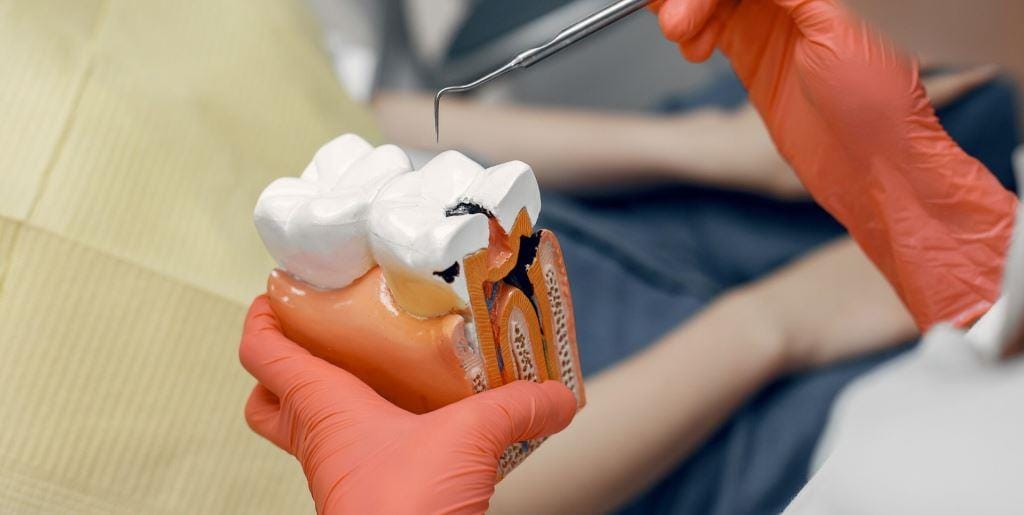
Plaque is a soft film of bacteria that builds up on teeth. When it hardens, it becomes tartar, also called calculus. Established tartar usually needs removal with scaling instruments; air polishing is mainly used for biofilm and staining. Some systems can remove early calculus, but this does not make them a substitute for all scaling.
Surface stains from drinks or smoking may become less noticeable after cleaning. Air polishing does not bleach teeth or change the underlying shade of enamel and dentine. A tooth that remains dark needs assessment rather than repeated polishing in the hope of whitening it.
Does the powder matter?
Yes. Different powders and devices have different uses. Cleaning above the gum line is not the same as treating deposits within a gum pocket. Selected equipment and fine powders can be used below the gum line by a trained dental professional, where appropriate.
The choice also matters around exposed roots, fillings and implants. Tell the team about sensitivity, allergies and medical conditions before treatment. They should select the technique for the surfaces being cleaned and your individual circumstances.
You may notice the spray, a taste from the powder or some sensitivity. Let the clinician know if it hurts so they can adjust or stop. It would be misleading to promise that every cleaning procedure is completely painless.
Who might benefit?
Air polishing may help when plaque or staining collects in areas that are difficult to clean, including around some orthodontic appliances. It may form part of gum care or preparation for other dental treatment. Having braces or drinking coffee does not, by itself, mean that you must have this procedure on a fixed schedule.
Professional cleaning supports daily care; it cannot permanently remove all bacteria or guarantee freedom from decay and gum disease. Brush with fluoride toothpaste and clean between your teeth using suitable tools. Ask the team to demonstrate how to reach difficult areas.
How often should I have it?
The interval depends on your oral health, deposits and treatment needs. Dental check-ups and professional cleaning are separate decisions, and neither should automatically mean air polishing every six months. The NHS explains how check-up intervals are chosen.
Follow the aftercare advice for the procedure you actually receive, especially if another treatment such as fluoride application is included. Cleaning before whitening may be appropriate, but it does not guarantee a whiter or longer-lasting whitening result.
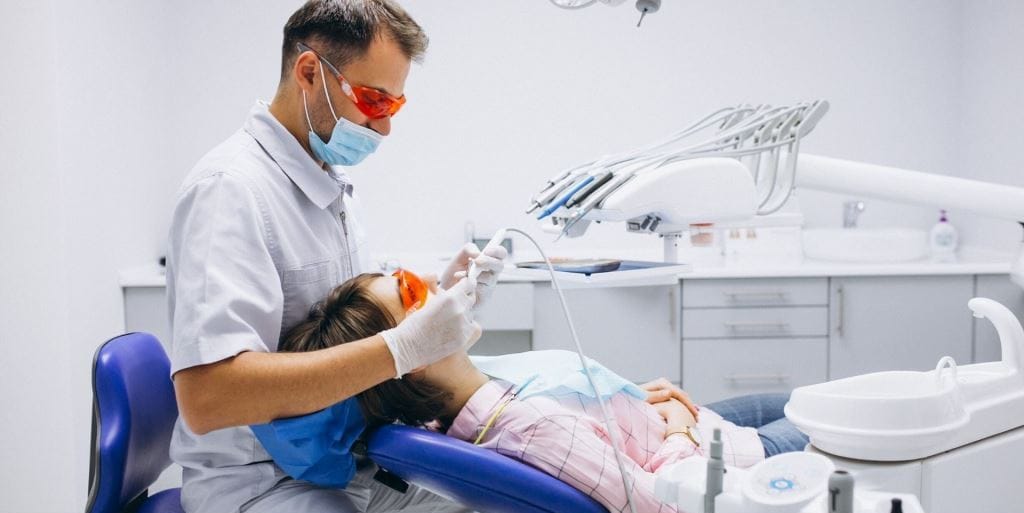
You can find our dental fees online. Contact us to discuss a cleaning appointment and what it should include.