A decayed wisdom tooth: treat it or remove it?
Originally published
A decayed wisdom tooth may be treatable, but keeping it is not always the best option. The decision depends on how much damage there is, the position of the tooth, whether it can be cleaned and restored, and the risks of removal.
Why can wisdom teeth cause problems?
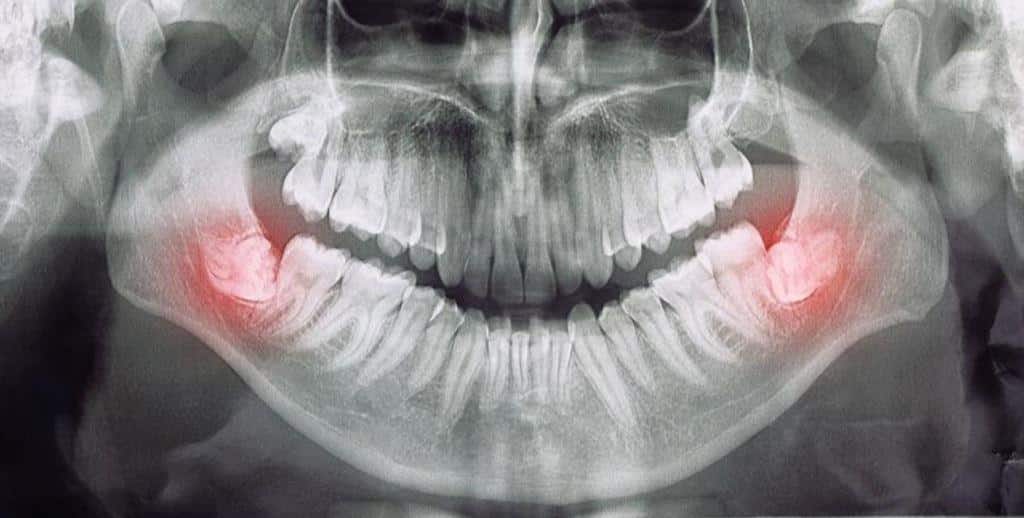
Wisdom teeth are the last molars at the back of the mouth. Their position can make cleaning difficult, particularly if they have only partly come through. Food and plaque can collect around them, contributing to decay or inflammation of the surrounding gum.
An impacted tooth is one that has not come through normally because it is blocked or lacks space. Impaction alone does not mean extraction is necessary. If a wisdom tooth is not causing problems, it is usually monitored during routine dental care. The NHS guide to wisdom teeth describes reasons for removal.
When might treatment be possible?
A dentist may be able to restore decay with a filling if the tooth is accessible and enough healthy tissue remains. If the pulp inside the tooth is affected, root canal treatment may be considered in selected cases. A large cavity does not automatically mean root canal treatment is required.
The assessment should consider whether the tooth contributes to your bite and whether it has a useful role in a wider treatment plan. Not every wisdom tooth can replace the function of missing neighbouring teeth or support a bridge.
When might removal be recommended?
Reasons can include decay that cannot be restored, infection that cannot be managed adequately by retaining the tooth, repeated significant inflammation around a partly erupted tooth, or damage to neighbouring teeth. Your dentist may need an X-ray to assess the tooth and nearby structures.
Crowding of the front teeth alone is not a routine reason to remove wisdom teeth. NHS referral guidance from Cornwall distinguishes this from clinical indications for surgery.
Ask how keeping and removing the tooth compare in your case. Removal has risks, including dry socket, infection and, for some teeth, nerve injury. The treating clinician should explain the risks relevant to the tooth’s position rather than presenting extraction as a risk-free precaution.
Getting advice and planning costs
Book a dental appointment if you have pain or suspect decay. Seek urgent advice for worsening swelling, fever or difficulty opening your mouth. If you cannot get dental help, contact NHS 111. Severe swelling with difficulty breathing needs emergency help: call 999 or go to A&E. The NHS urgent dental care guide explains where to turn.
The cost depends on the treatment needed. See our fees and ask for a written plan after assessment. For payment options, use the current finance information, or contact the practice.