Dental pulp damage: symptoms and treatment
Originally published
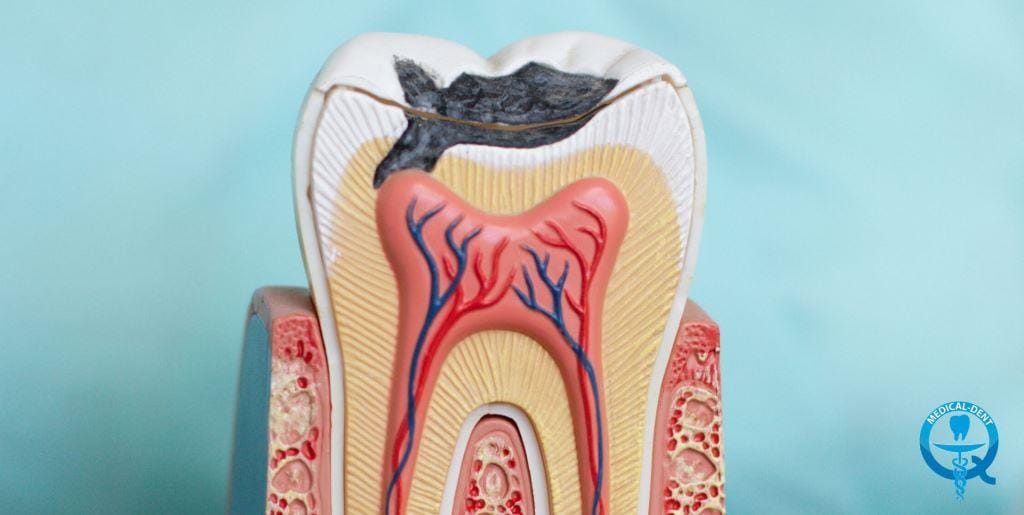
The dental pulp is the soft tissue inside a tooth, containing nerves and blood vessels. Deep decay, a crack or an injury can damage it. Some problems cause pain or sensitivity, while others develop with few obvious symptoms. A dental examination is needed to find out what is happening and whether the tooth can be kept.
What can damage the pulp?
The pulp sits beneath the enamel and dentine, extending from the centre of the tooth into its roots. Decay can allow bacteria to reach it. A broken tooth or injury may also affect the pulp, even when the damage is not immediately visible.
Inflammation of the pulp is called pulpitis. In some cases it can settle after the cause is treated; in others, the pulp cannot recover. Infection may spread beyond the root and form an abscess. These are different situations, and symptoms alone cannot tell you which treatment you need.
Symptoms worth checking
Sensitivity to cold, heat or sweet food can have several causes. A brief twinge does not automatically mean the pulp is permanently damaged. Pain that lingers, starts without a trigger, disturbs sleep or hurts when you bite needs assessment.
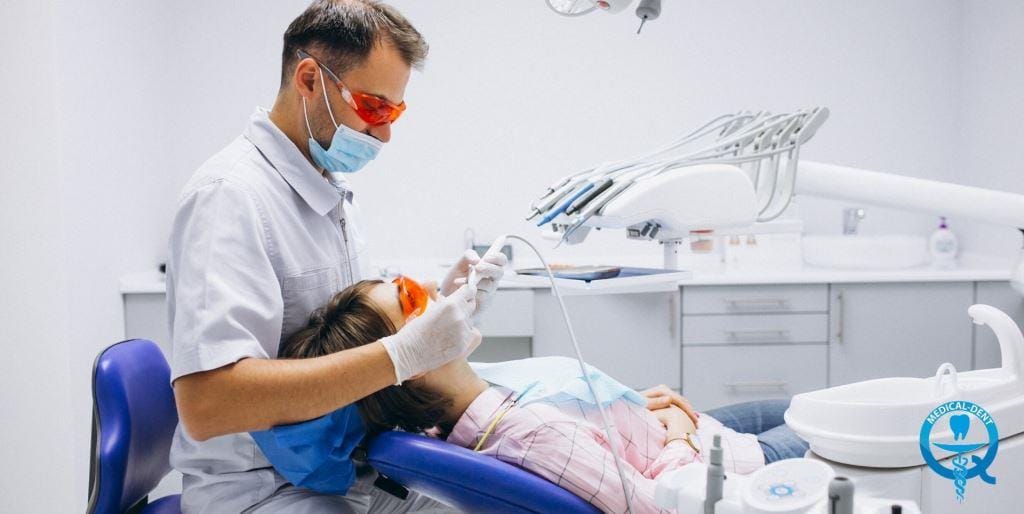
A dentist may ask when the pain started, test how the tooth responds, check the bite and take X-rays where needed. Mention any recent injury, even if it seemed minor.
Do not assume that a tooth has recovered simply because the pain stops. Symptoms can ease when the pulp dies, while infection remains. The NHS explanation of root canal treatment describes why follow-up still matters.

How is pulp damage treated?
Treatment depends on the diagnosis, the amount of sound tooth remaining and your preferences. Treating decay and restoring the tooth may be enough when inflammation can recover. In selected cases, treatment can preserve some or all of the living pulp. Your dentist will explain whether that is suitable.
If the pulp is infected or cannot recover, root canal treatment may allow the tooth to be retained. The dentist cleans and seals the root canal system, then restores the tooth. Some teeth also need a crown or another protective restoration. A tooth that cannot be restored may need removal.
There is no reliable one-visit rule for pulp damage. Ask about the likely appointments, comfort measures, risks and follow-up. Antibiotics are not a substitute for treating the cause of tooth pain; a dentist decides whether they are needed for an infection.
When to seek urgent help
Contact a dentist urgently for persistent or severe toothache, swelling, a suspected abscess or pain with fever. If you cannot get dental help, contact NHS 111. An abscess needs treatment and will not simply go away on its own.
Call 999 or go to A&E if swelling makes it difficult to breathe, speak or swallow, or you have swelling or pain around the eye or problems with vision. These are emergency signs described in the NHS dental abscess guidance.
Reducing the risk of further damage
Brush twice daily with fluoride toothpaste, including before bed, and spit without rinsing straight afterwards. Clean between the teeth and reduce how often you have sugary food and drinks. Attend dental reviews at the interval recommended for you, and report broken fillings, cracks or new symptoms.
These habits reduce risk but cannot prevent every injury or pulp problem. If a tooth is troubling you, contact the practice for an assessment rather than waiting for the pain to become severe.