
Crooked teeth in children: causes, assessment and treatment
Originally published
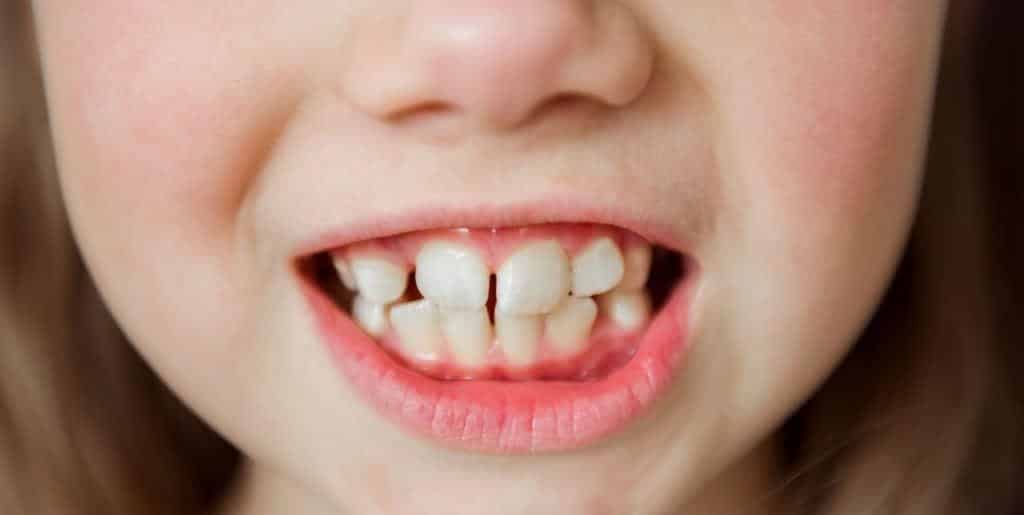
Children’s teeth can look uneven as milk teeth fall out and adult teeth arrive. Some changes are part of normal development; others need monitoring or treatment. Crooked teeth do not automatically mean that a child needs a brace, and parents cannot prevent every bite problem.
The dentist considers the teeth, jaws, available space and stage of development together. Appearance matters to many children, but comfort, function and oral health also guide decisions.
What affects tooth position?
Inherited tooth and jaw size can contribute to crowding. Prolonged thumb sucking or dummy use may affect the bite, and early loss of a milk tooth can sometimes allow neighbouring teeth to move into the space.
These effects vary. A retained milk tooth is not always a problem, but one that obstructs an adult tooth or remains when the corresponding tooth on the other side has changed should be assessed. Do not try to remove it yourself.
An orthodontic dummy cannot guarantee that a bite problem will be prevented. If sucking habits persist, ask the dentist for supportive ways to help your child stop. Keeping milk teeth healthy reduces avoidable tooth loss, although it cannot remove inherited causes of crowding.
When should a child see an orthodontist?
Your child’s dentist can monitor development during routine care and refer when needed. Most orthodontic treatment starts once enough adult teeth have emerged, but selected problems need earlier assessment. There is no single age at which every child needs treatment or a specialist appointment.
Bring up problems with biting or chewing, a bite that shifts the jaw to one side, an adult tooth that seems unable to emerge, or unusually early tooth loss. Pain, swelling or injury needs dental attention in its own right.
The assessment may include photographs, X-rays and impressions or digital scans when needed. The orthodontist should explain whether treatment would help, its timing and alternatives, including continued observation. The NHS braces guide describes assessment and treatment options.
Which treatments may be used?
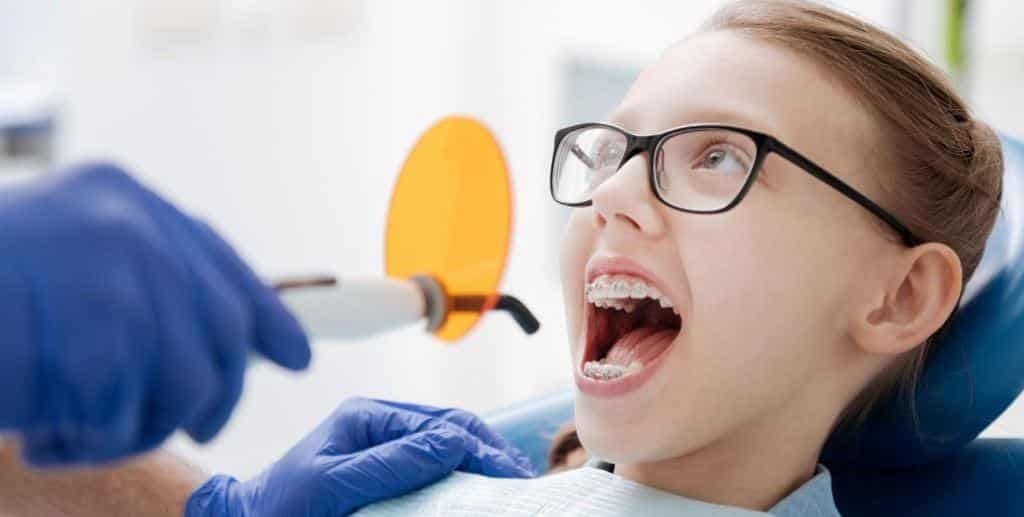
A removable appliance may be suitable for a particular movement or bite problem. Fixed braces allow other kinds of movement. The choice depends on the treatment required and the child’s ability to care for and use the appliance; having adult teeth does not automatically mean fixed braces are necessary.
If a milk tooth has been lost early, a space maintainer may be considered in selected circumstances. It preserves space rather than straightening the teeth, and is not routinely needed for every gap.
Supporting your child through treatment
Discuss what bothers your child without suggesting that their smile is something to be ashamed of. Ask about likely discomfort, cleaning, appointment frequency and how long treatment may take. A predicted result or treatment time is an estimate, not a guarantee.
Braces make careful cleaning especially important. Follow advice about fluoride toothpaste and appliance care, and attend routine dental checks during orthodontic treatment. Retainers are usually needed afterwards to help keep teeth in their new positions.
For private treatment, request an estimate for the complete plan rather than relying on an old monthly repayment figure. See our orthodontic fees and current finance information. Contact the practice if you would like your child’s bite assessed.