
Crooked milk teeth: when should your child see a dentist?
Originally published
A milk tooth appearing at an angle does not necessarily mean your child needs a brace. Teeth and jaws change as children grow, and gaps between milk teeth can be a normal part of development. The dentist looks at the whole bite and how it is developing, rather than the appearance of one tooth alone.
Keep routine dental appointments and mention anything that concerns you. Do not assume every irregularity will correct itself, but there is no need to decide on orthodontic treatment from a photograph or a newly erupted tooth.
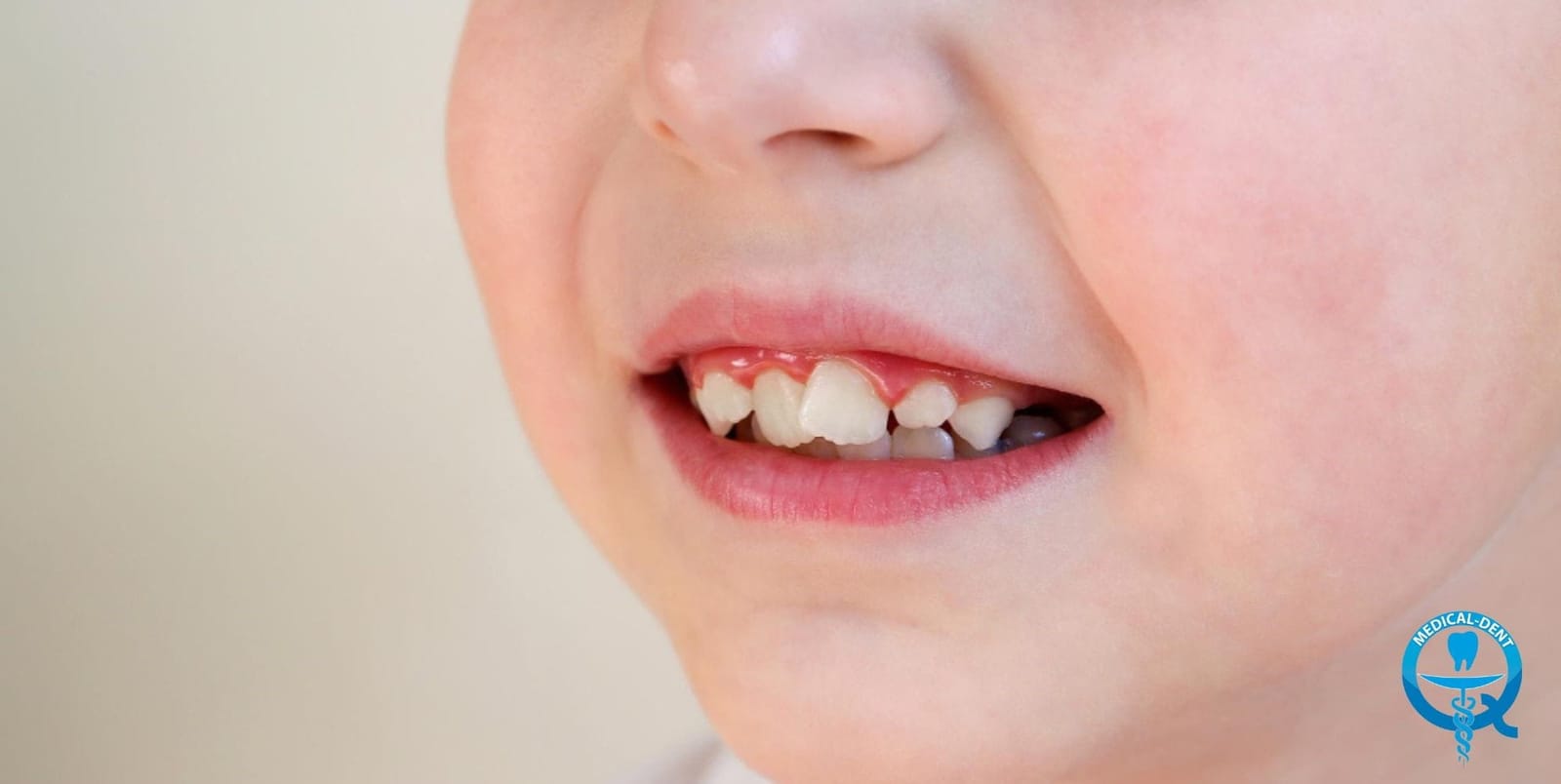
Why can milk teeth look uneven?
The size of the teeth, available space and jaw growth all affect their position. Prolonged thumb sucking or dummy use can also affect the developing bite. If a habit persists, ask for practical advice on stopping it gently; pressure or blame is unlikely to help.
A dentist distinguishes normal variation from problems such as a crossbite, where some upper teeth bite inside the lower teeth. Whether treatment is needed depends on the bite, growth and any effect on function.
When to arrange an assessment
Mention difficulty biting or chewing, a jaw that shifts to one side when the teeth meet, or a tooth that seems to obstruct another tooth coming through. Losing a milk tooth unusually early also deserves assessment, particularly if decay or an injury caused it.
Pain or swelling needs prompt dental advice rather than waiting for an orthodontic review. Changes in tooth colour should be checked too; colour alone cannot show the cause.
Does a child need treatment before the adult teeth arrive?
Many children with only milk teeth need monitoring rather than active orthodontic treatment. Selected bite problems benefit from earlier advice or treatment, so referral depends on the findings rather than a universal starting age.
A space maintainer may occasionally be considered after early loss of a milk tooth. Its purpose is to preserve space for an adult tooth, not to straighten crooked milk teeth. It is not necessary after every lost tooth.
The dentist can explain what to watch for, when to review the bite and whether an orthodontist’s opinion would help. An assessment does not commit your child to wearing a brace.
Looking after milk teeth
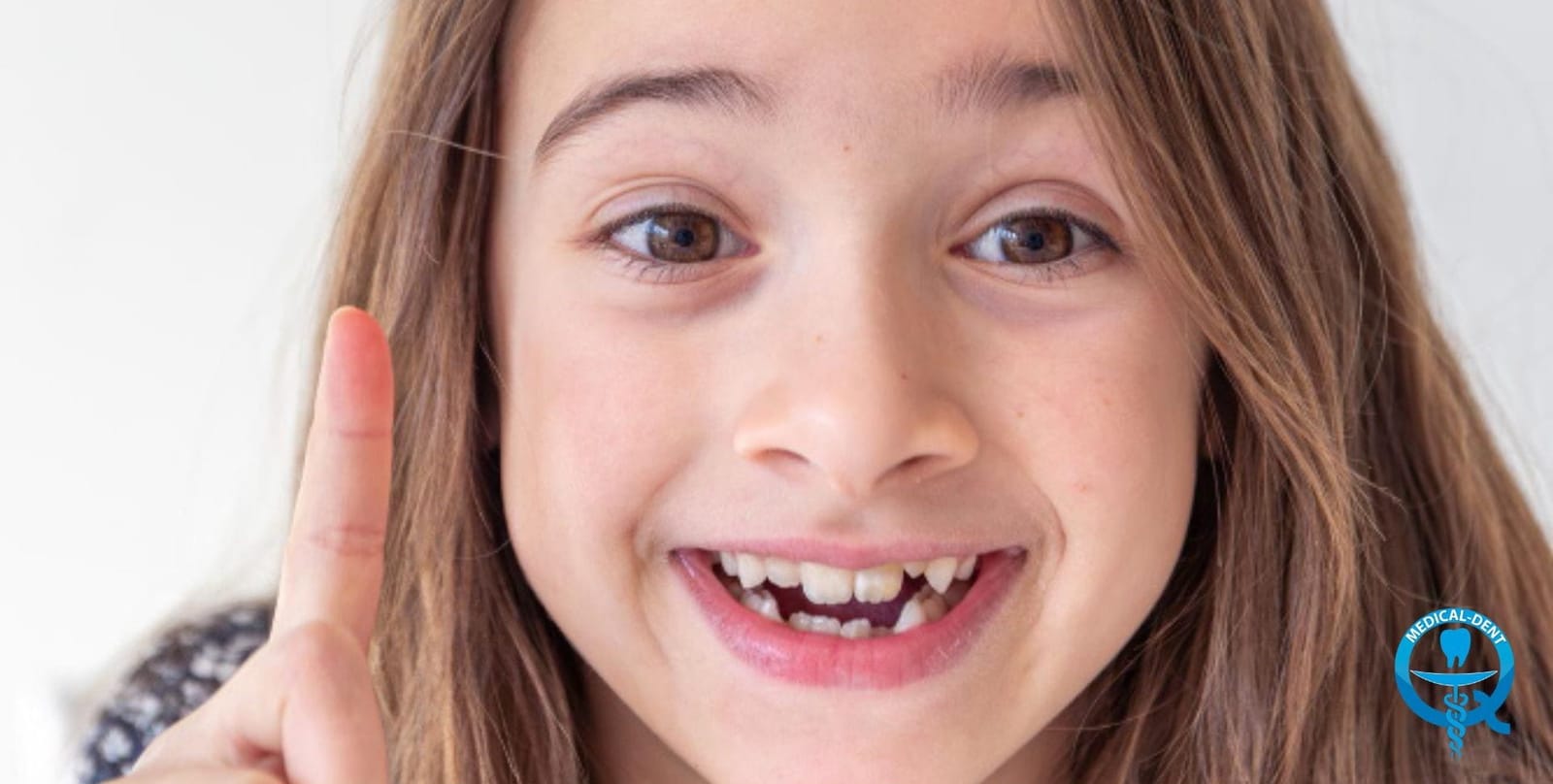
Milk teeth help with eating and speech and hold space as adult teeth develop. They need care even though they will eventually fall out. Brush twice daily with fluoride toothpaste, help your child clean effectively and limit how often they have sugary food and drinks.
Use toothpaste and an amount appropriate to your child’s age. The NHS children’s teeth guide explains fluoride strength, quantities and supervision.
If you are worried about your child’s teeth or bite, contact the practice. Regular assessment lets the dentist follow changes and recommend treatment when there is a reason for it.