
Clear aligners: benefits, limitations and everyday care
Originally published
Clear aligners are removable orthodontic appliances made to fit over the teeth. A planned sequence of trays gradually changes tooth position. They are one option alongside fixed braces and other removable appliances, rather than a separate alternative to all removable braces.
Their discreet appearance appeals to many people, but suitability depends on the movements needed and the health of your teeth and gums.
What are the advantages?
Aligners are less conspicuous than many fixed braces, although they are not completely invisible. Being able to remove them for meals and cleaning can be useful. You still need to plan enough wearing time into your day and follow the instructions for drinks, cleaning and storage.
Appearance is a reasonable part of the choice. It should be considered alongside how reliably the appliance can achieve the intended tooth movements.

Are they comfortable and quick?
Aligners can cause tenderness, rubbing and a temporary change in speech. They should not be described as always painless or unable to cause a lisp. Contact your treating team if discomfort persists, a tray rubs badly or the fit changes.
Treatment is not automatically faster than with fixed braces. The time depends on the problem, the planned movements and how treatment progresses. Wearing trays as prescribed helps the plan work; adding extra hours or changing trays early is not a safe way to guarantee faster results.
The British Orthodontic Society outlines the options and questions to ask before treatment.
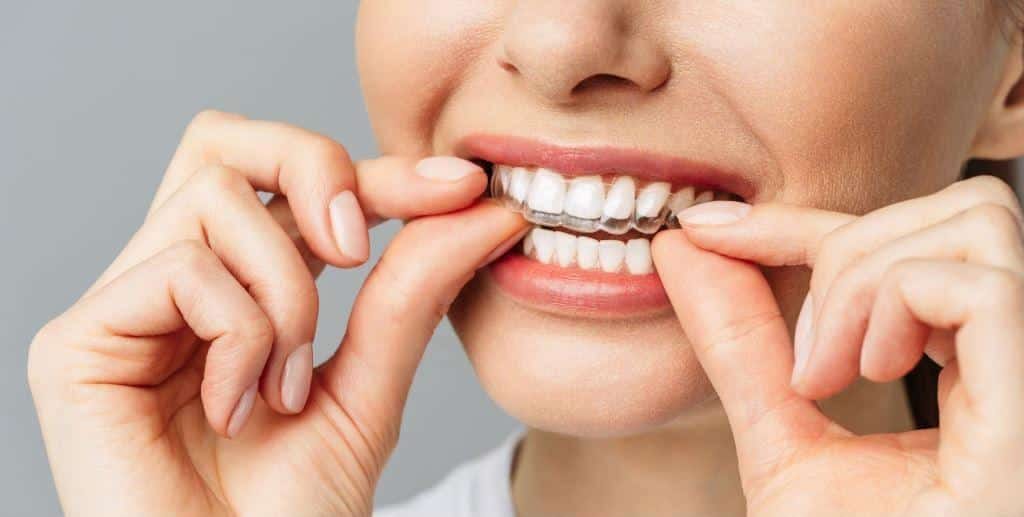
Who can have aligner treatment?
An assessment is needed to decide whether aligners can achieve the intended result. Gaps, crowding or a particular bite description alone do not establish suitability. Some movements or more complex problems may need fixed braces or another approach.
There is no universal rule that aligners are only for people aged 16 or over. Tooth development, the proposed system and the person’s ability to manage treatment all matter. Ask for advice appropriate to the patient rather than using age alone to choose an appliance.
The clinician should explain the benefits, limitations and risks before you start. Orthodontic treatment moves teeth through their supporting tissues; being removable does not make it free of risks to teeth or gums. Active dental problems need to be addressed first.
Your part in the treatment
Follow the prescribed wearing and tray-change schedule. Remove aligners for meals and clean your teeth and trays as instructed before putting them back in. Ask what drinks are permitted while wearing them. Avoid hot water when cleaning plastic trays and keep them protected when out of your mouth.
If a tray is lost, damaged or no longer fits, contact the team rather than forcing it into place or skipping ahead. Review appointments allow the clinician to check progress and make changes where needed.
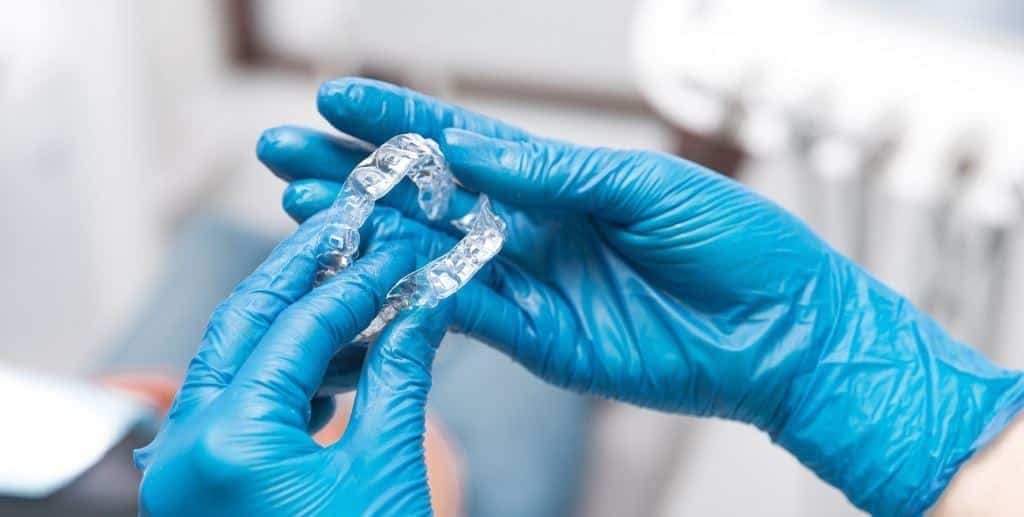
Costs and keeping the result
Ask for an individual quotation explaining what is included in the course of care and what additional trays or appointments might cost. Prices for conventional removable plates should not be taken as aligner package prices.
Retainers are normally needed after active treatment to help maintain the new tooth positions. Discuss the wear schedule, follow-up and possible replacement costs at the outset.
For payment options, see the current finance information. Eligibility and the terms offered must be confirmed; finance approval and a particular treatment result are not guaranteed. You can contact the practice to discuss an assessment.