Choosing a Polish-speaking dentist for your child in the UK
Originally published
Finding a dentist near home makes it easier to attend check-ups and seek help if your child develops toothache. For a Polish-speaking family, being able to discuss symptoms and treatment in Polish may also make conversations clearer.
Language is one part of choosing a practice. Ask about experience treating children, how the team supports anxious patients and what arrangements are available for urgent problems. Nationality alone does not tell you a clinician’s qualifications or guarantee a particular result.
Start before there is a problem
Arrange a first visit when the first teeth appear, or before your child’s first birthday. An early appointment gives you a chance to ask about brushing, feeding and development. It also introduces your child to the surroundings without waiting for pain to be the reason for coming.
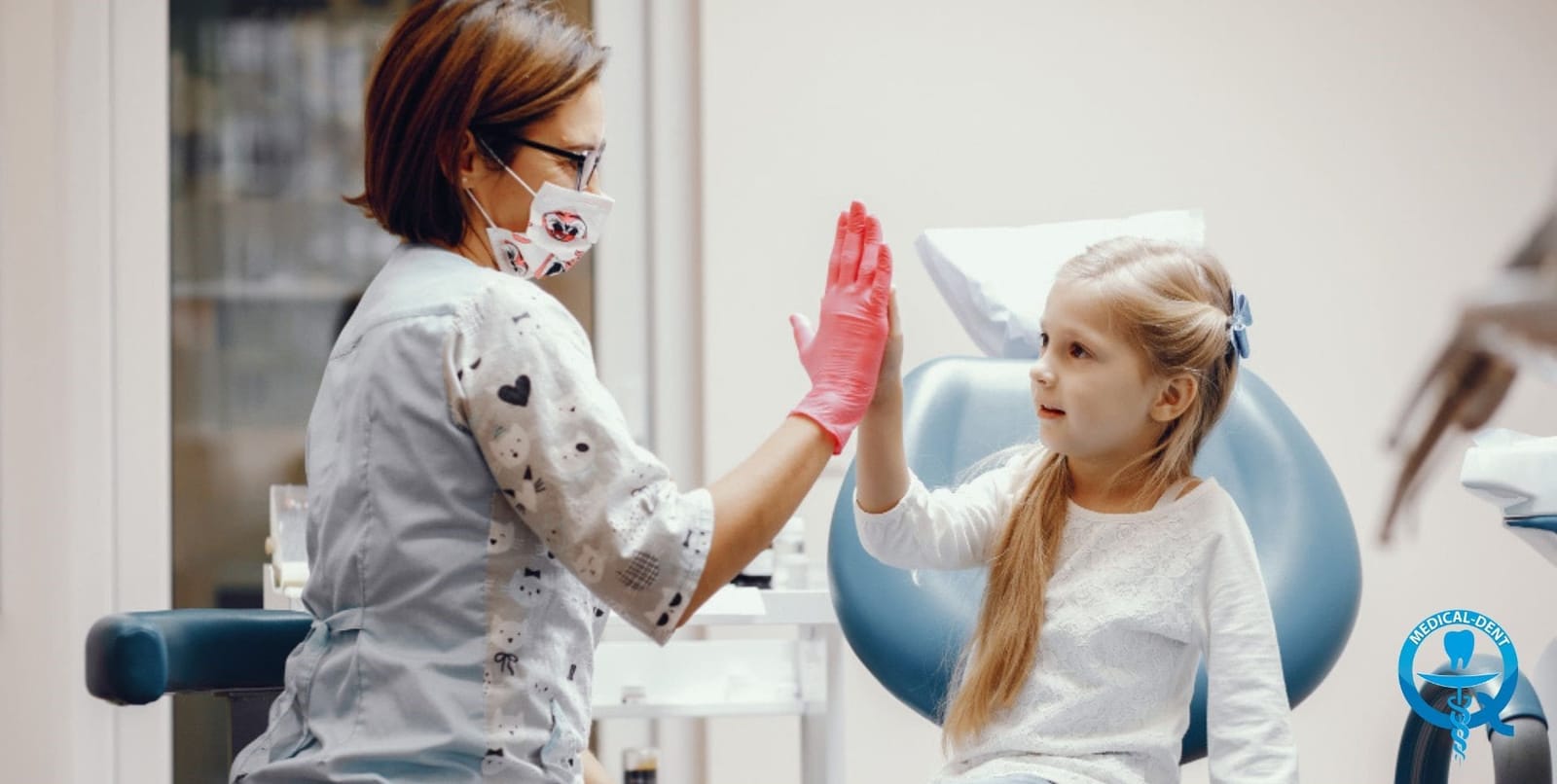
Tell the team about previous difficult experiences, communication needs or anything that may help your child feel comfortable. An introductory visit can help, but it cannot promise a worry-free response to every future procedure.
If your child already has pain, swelling or an injury, explain that when booking. They may need assessment and treatment rather than a visit purely to become familiar with the practice.
Check-ups and preventive treatment
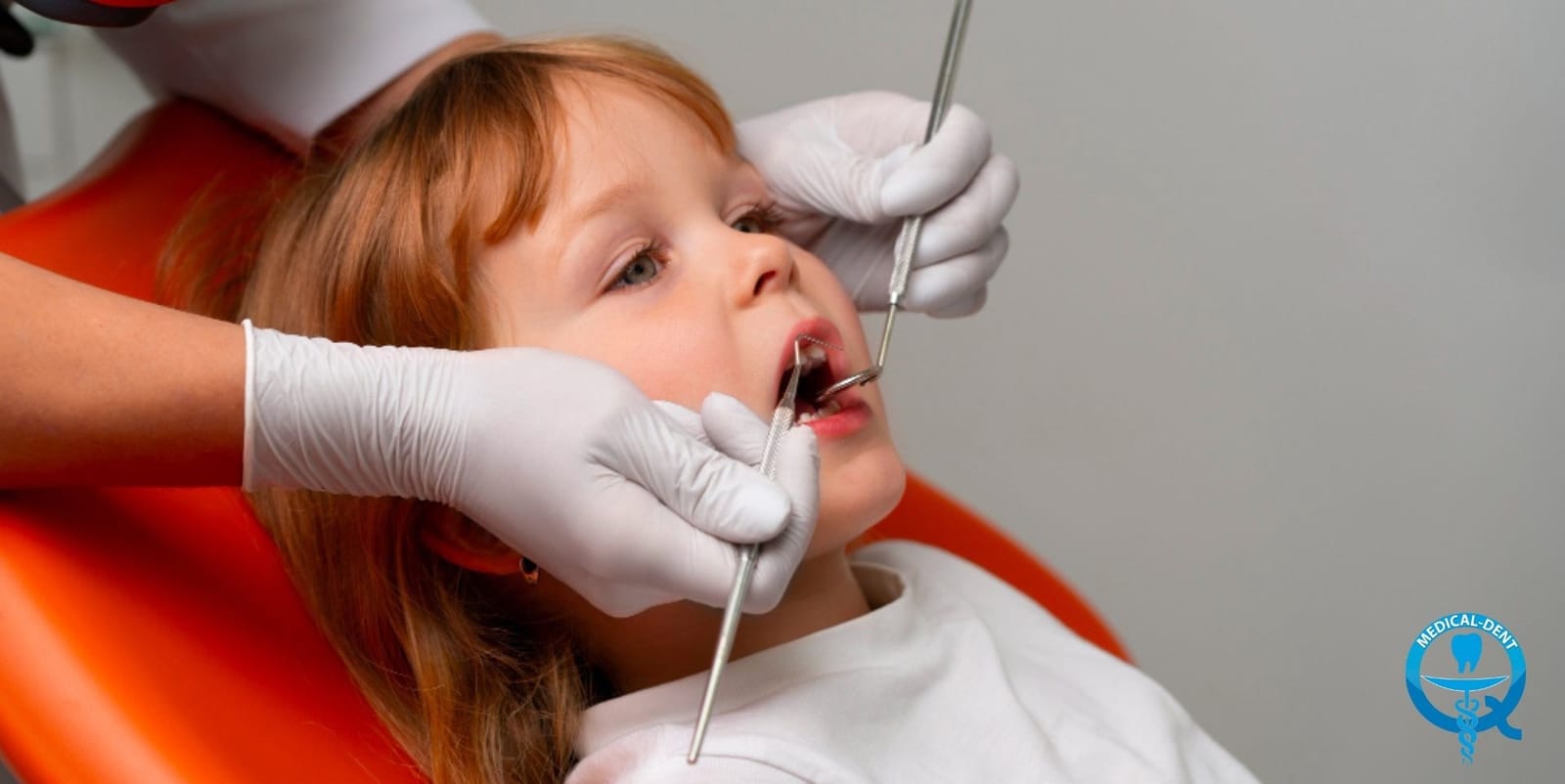
The dentist should recommend a recall interval based on your child’s needs. Six months may be appropriate for some children, while others need more frequent reviews. Wearing braces does not replace routine dental care or automatically determine the interval.
Fluoride varnish and fissure sealants are different preventive treatments. Varnish applies fluoride to the tooth surface. Sealants protect selected grooves, usually in permanent back teeth. Your dentist can explain which is appropriate and when. Neither removes the need for daily brushing.
Milk teeth matter for comfort, eating and development. A decayed milk tooth needs assessment even though it will eventually fall out. Treatment may preserve the tooth, but extraction can sometimes be the appropriate choice; it should not be delayed simply because it has been called a “last resort”.
Helping at home
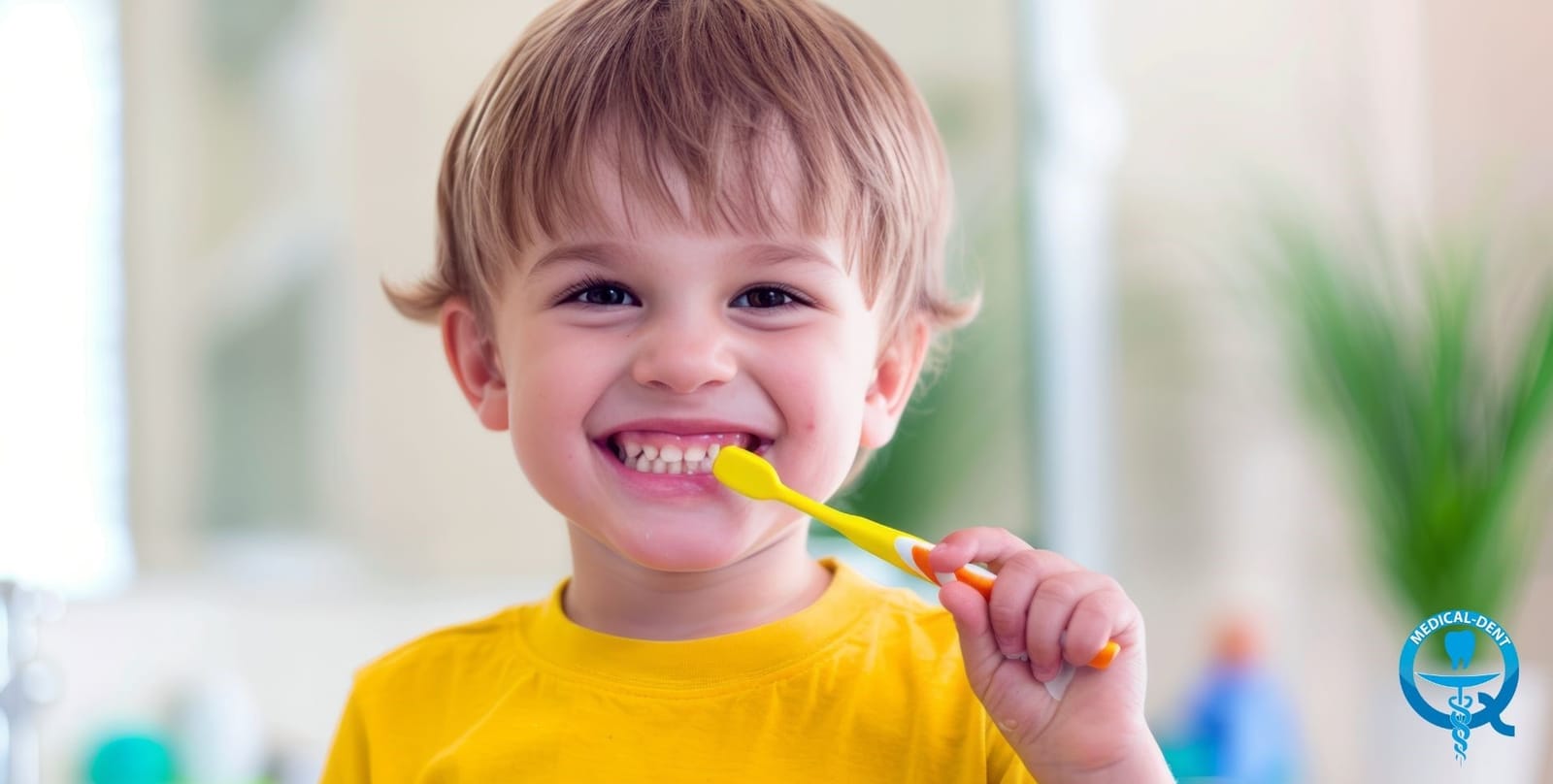
Brush twice a day with fluoride toothpaste from the first tooth. Use a smear for under-threes and a pea-sized amount for ages three to six. Help or supervise until at least seven, and longer if your child needs it. Encourage spitting without rinsing when they can manage it. The NHS children’s teeth guide explains fluoride strengths by age.
Limit frequent sugary snacks and drinks, including juice. For babies, breast milk or infant formula remains important: do not stop necessary feeds or replace them with water on the strength of general dental advice. Ask your dentist and health visitor about feeding and tooth care for your child’s age. Avoid juice or sweetened drinks in a bottle. See the NHS advice on looking after a baby’s teeth.
Parents can support good habits without blaming themselves for every dental problem. If brushing is a struggle, ask for practical help rather than waiting until it becomes easier on its own.
Planning local care
Compare actual treatment plans and fees, including follow-up and travel, rather than relying on a historic example of another patient’s savings. Ask whether the appointment is private or NHS-funded and what you will be charged; NHS eligibility does not make a private appointment free.
Contact our practice to discuss your child’s appointment and language needs. For a child with suspected dental infection, seek urgent dental advice; call NHS 111 if you cannot access care. Swelling affecting breathing, swallowing or the eye needs emergency help through 999 or A&E.