Bone grafting for dental implants: options, healing and costs
Originally published
A dental implant needs enough suitable bone to support it in the planned position. If the available bone is insufficient, bone grafting, also called augmentation, may be one option. Not everyone needs it, and placing an implant immediately after an extraction is not automatically the best approach.
Your dentist will assess the site, your health and the proposed replacement tooth before recommending when and how to proceed.
Why might bone be insufficient?
The bone around a tooth changes after it is removed. Periodontal disease, injury and other local problems can also affect the amount or shape of bone. The extent and rate of change vary; bone loss is not always a rapidly progressing condition caused by poor brushing.
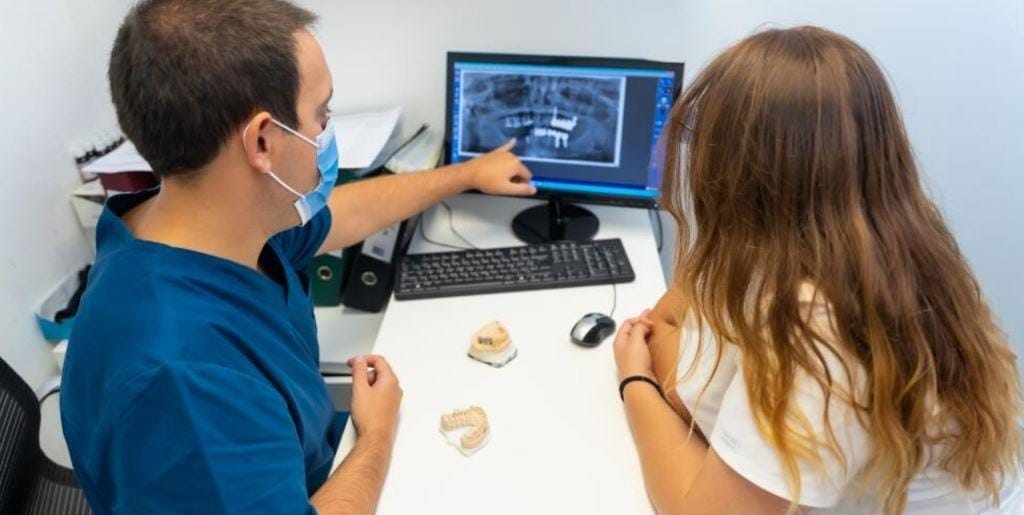
An assessment considers the width and height of the bone, the gums, nearby teeth and structures such as nerves or the sinus. Appropriate imaging may be needed. Your medical history, medicines and smoking are also relevant to planning and healing.
Discuss alternatives as well as implants. A bridge, a denture or, in some situations, leaving a space may be considered depending on your needs. Grafting is not an obligation simply because a tooth is missing.
What does bone grafting involve?
There are several techniques. Some use small particles of graft material, sometimes protected by a membrane. Larger defects may need a different approach, such as a block graft. The material may come from your own body, a human donor, an animal source or a synthetic product.
Ask which material is proposed, why it has been chosen and whether its source raises any concerns for you. Not every graft involves taking a block of bone or using screws. The CUH information on bone grafting outlines several approaches.
Local anaesthetic is often used for smaller procedures. More extensive surgery may need different arrangements. The team should explain pain control, likely discomfort afterwards and where treatment will take place. Duration depends on the operation; there is no single appointment length for every graft.
When can the implant be placed?
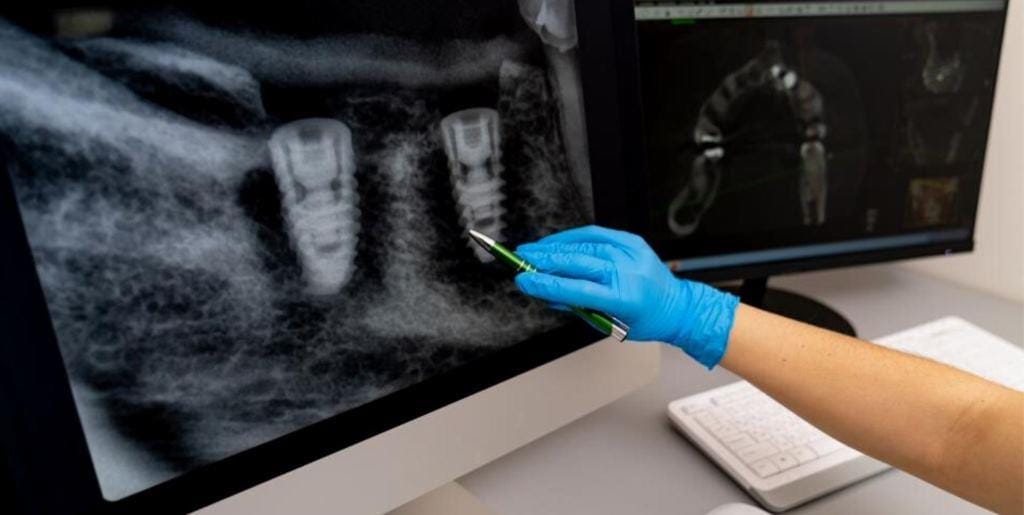
A small graft can sometimes be done at the same time as implant placement. In other cases, the graft needs to heal first. This usually takes months, and more extensive treatment can take longer than a simple timetable suggests.
The clinician checks healing before proceeding, using examination and imaging where appropriate. A graft does not guarantee that enough bone will develop or that an implant will succeed. The plan may need to change if healing is incomplete.
Risks include infection, bleeding, graft exposure or failure, and problems at a site where your own bone is collected. Depending on the location, nerve or sinus complications may also be relevant. Ask which risks apply to the procedure being proposed for you.
Follow the team’s instructions about cleaning, food, smoking and follow-up. Contact them promptly for worsening pain or swelling, fever, persistent bleeding or concern about the wound. Seek urgent dental help or NHS 111 if the team is unavailable. Call 999 or go to A&E if swelling causes difficulty breathing or swallowing.
Costs and your treatment plan
The cost depends on the extent of grafting, materials and other treatment required. See our current implant and bone grafting fees and request a written estimate for your plan.
Check what is included for imaging, graft material, surgery and follow-up, as well as the separate stages of implant treatment. A price for grafting is not a quote for a complete replacement tooth. The implant, abutment and crown should be identified clearly in the estimate.
For eligible treatment at our practice, instalment options are described in the current finance information. Availability is subject to eligibility, status and affordability checks; do not rely on an old minimum amount or repayment example.
Contact the practice to arrange an assessment and discuss whether grafting is needed in your case.