
Advanced periodontitis: treatment and keeping teeth
Originally published
Advanced periodontitis damages the tissues and bone that support the teeth. Treatment aims to control inflammation, make daily cleaning manageable and keep teeth where that remains realistic. It cannot guarantee that every tooth will be saved or that the disease will never return.
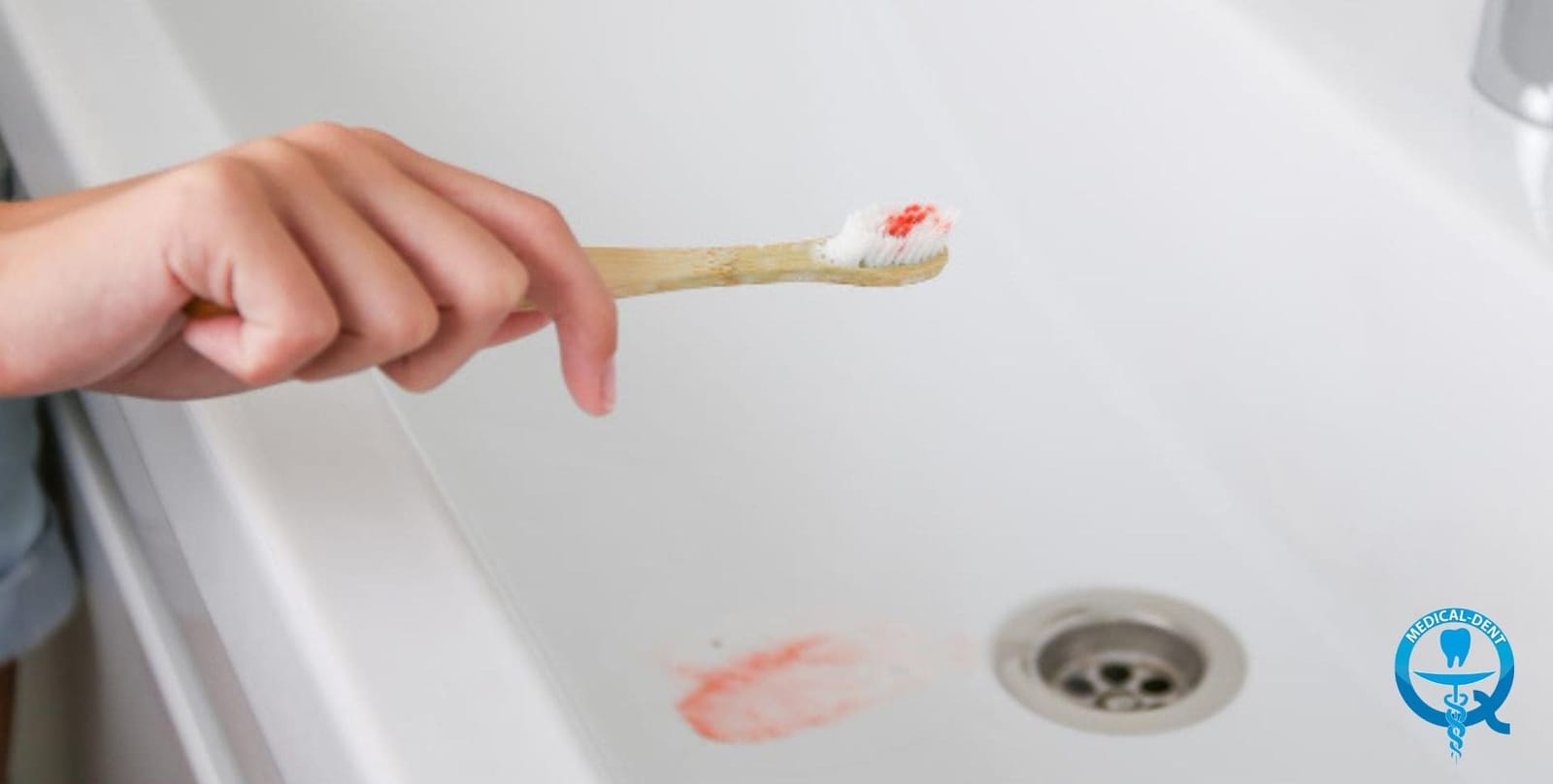
Bleeding gums need checking, but bleeding alone does not establish that disease is advanced. Some people have considerable damage with little pain, so symptoms are only part of the assessment.
What is periodontitis?
Gingivitis is inflammation of the gums without the loss of tooth support that defines periodontitis. It can improve with effective care. Some people develop periodontitis, in which the tissues supporting the teeth are damaged; progression is not inevitable in everyone with bleeding gums.
Plaque bacteria and the body’s response to them are central to the disease. Smoking and poorly controlled diabetes increase risk. Tell your dentist about medical conditions and medicines, but do not stop prescribed treatment yourself. The condition is not explained by hygiene alone or by blaming the person affected.
Symptoms and diagnosis
Possible signs include bleeding, gum recession, persistent bad breath, sensitivity, changes in how teeth meet and teeth becoming loose. These signs need assessment; a loose tooth or recession can also have other causes.
The dentist examines the gums, measures the spaces around the teeth and checks their support and mobility. X-rays may be needed to assess bone loss. They should explain the findings, the outlook for individual teeth and whether referral to a periodontist would be useful.
Seek urgent dental advice for new tooth loosening, very sore or swollen gums, pus or fever. Call NHS 111 if you cannot get urgent dental care. Difficulty breathing, swallowing or speaking, swelling affecting an eye or vision, or marked difficulty opening the mouth needs emergency assessment through 999 or A&E.
What does treatment involve?
Treatment usually begins with help to improve plaque removal at home and address factors such as smoking and diabetes control. The team can show you how to clean around difficult areas and choose interdental brushes that fit.
Professional treatment removes deposits above and below the gumline. Cleaning under the gums may require local anaesthetic and more than one appointment. Surface polishing alone does not replace this treatment where deposits and inflammation extend into periodontal pockets.
The response is then reassessed. Some sites need further cleaning or surgery to improve access. Regenerative procedures may be suitable for selected defects, but surgery cannot rebuild all lost bone or restore every receded gum. Your clinician should explain the likely benefit, limitations and risks for the particular site.
Antibiotics are not routinely needed alongside cleaning for every patient with periodontitis. They may be considered in selected circumstances; they do not replace plaque control or treatment of the affected areas.

Can loose teeth be kept?
Some teeth can remain useful after inflammation is controlled, while others have too little support or another problem that makes retention unrealistic. Splinting or adjusting the bite may be considered for selected teeth, but does not treat the disease itself or guarantee survival.
If extraction is recommended, ask why and how it fits into the plan for your whole mouth. Any replacement should be planned alongside control of the gum disease and ongoing care. Implants also need healthy surrounding tissues and are not an automatic solution to active periodontitis.
Keeping the condition stable
Home care and professional maintenance work together. Brush twice daily with fluoride toothpaste and clean between the teeth as demonstrated. Ask for help with sensitive areas rather than stopping cleaning altogether.
Attend the maintenance visits recommended for your risk and response to treatment. These may be more frequent than ordinary check-ups. The team monitors pockets, bleeding and tooth support and adjusts care if disease becomes active again.
Report new symptoms between appointments. Stability is something to maintain over time, not a permanent cure delivered by one course of treatment. Contact us to arrange an assessment of bleeding gums, loose teeth or an existing diagnosis of periodontitis.